Growing your own vegetables is deeply satisfying. Waiting months for the first harvest is less thrilling. Fortunately plenty of fast growing vegetables can go from seed packet to dinner plate in a matter of weeks.
Quick crops suit pots, balconies, raised beds and small suburban gardens. Many can be picked young rather than left to reach full size.
Growing times vary with the variety, climate and time of year. A crop sown in mild Spring weather may race ahead while the same crop can slow in a cold Winter or struggle through extreme Summer heat. Always check the seed packet for advice suited to your part of Australia.
What Helps Vegetables Grow Quickly?
Fast varieties still need the right conditions. Most vegetables need good light, consistent moisture and regular nutrients.
- Choose varieties labelled baby, dwarf, early or quick maturing
- Sow into loose soil enriched with compost
- Keep the soil consistently moist
- Thin crowded seedlings so each plant has room to grow
- Protect young plants from Snails, Slugs and Caterpillars
- Harvest often to encourage more growth
- Sow small batches every two or three weeks
With those basics covered, here are ten of the fastest growing vegetables to try.
Ten Fast Vegetables To Grow
Here is how they compare at a glance.
| Vegetable | Approximate Harvest Time | Best Seasons | Good In Pots |
|---|---|---|---|
| Microgreens | 2 to 3 weeks | Year Round | Yes |
| Radishes | 4 to 8 weeks | Autumn To Spring | Yes |
| Rocket | 3 to 7 weeks for young leaves | Autumn To Spring | Yes |
| Loose Leaf Lettuce | 4 to 8 weeks | Autumn And Spring | Yes |
| Asian Greens | 3 to 8 weeks | Cooler Months | Yes |
| Baby Spinach | 4 to 8 weeks | Autumn To Spring | Yes |
| Spring Onions | 3 weeks for leaves | Most Of The Year | Yes |
| Baby Beetroot | 6 weeks for leaves or 8 to 10 weeks for roots | Autumn To Spring | Yes |
| Zucchini | 6 to 8 weeks | Spring And Summer | Large Pots |
| Dwarf Beans | 8 to 10 weeks | Spring And Summer | Yes |
1. Microgreens
Approximate Harvest Time: 2 To 3 Weeks
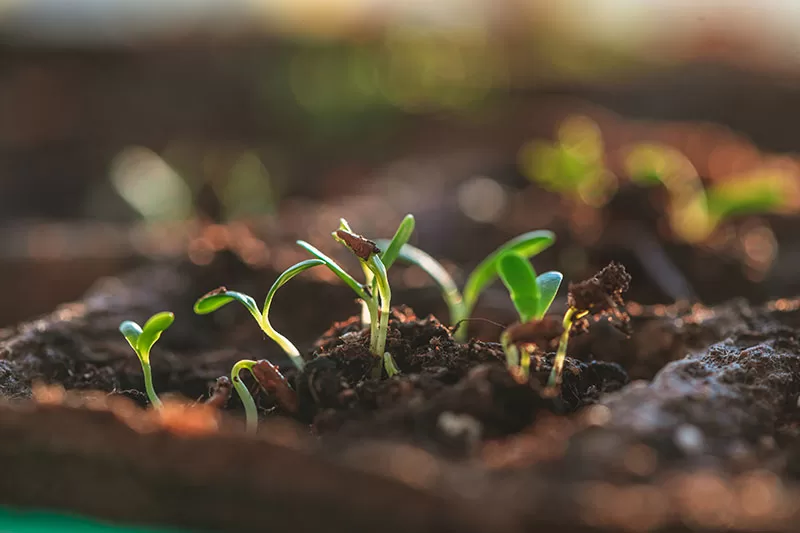
Microgreens win the speed contest. They are young Vegetable or Herb seedlings harvested when their first baby leaves develop. Popular choices include Radish, Broccoli, Kale, Mustard, Beetroot and Pea Shoots.
Fill a shallow tray with seed raising mix then scatter the seed fairly thickly. Press it gently into the moist mix and keep the tray damp. Snip the shoots with clean scissors when they are ready.
2. Radishes (Raphanus sativus)
Approximate Harvest Time: 4 To 8 Weeks
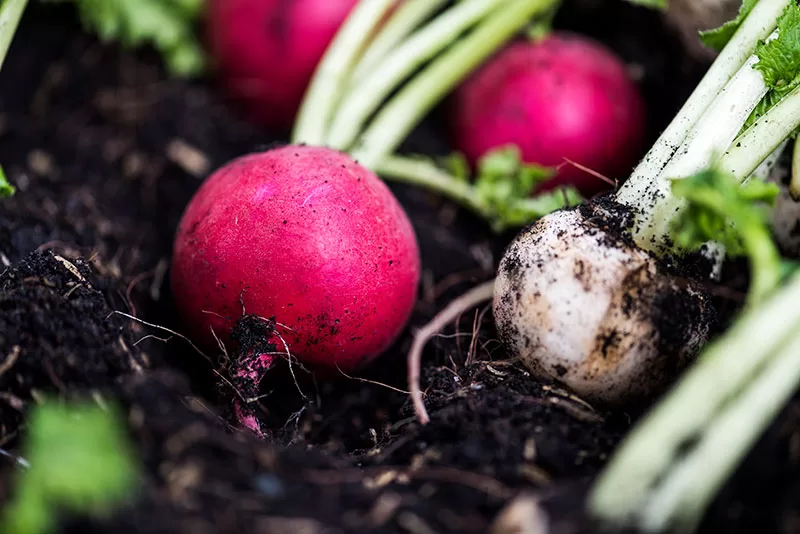
Radishes are the classic choice for impatient gardeners. Many small round varieties are ready in about a month and the swelling roots give you something visible to watch.
Sow directly where the plants will grow. Loose soil is important since compacted ground can produce misshapen roots. Thin seedlings early and water regularly so the roots stay crisp rather than becoming woody or overly hot.
Radishes prefer mild weather. They are generally happiest in Autumn, Winter and Spring across temperate Australia. Warmer regions can usually grow them through the cooler months.
3. Rocket (Eruca sativa)
Approximate Harvest Time: 3 To 7 Weeks For Young Leaves
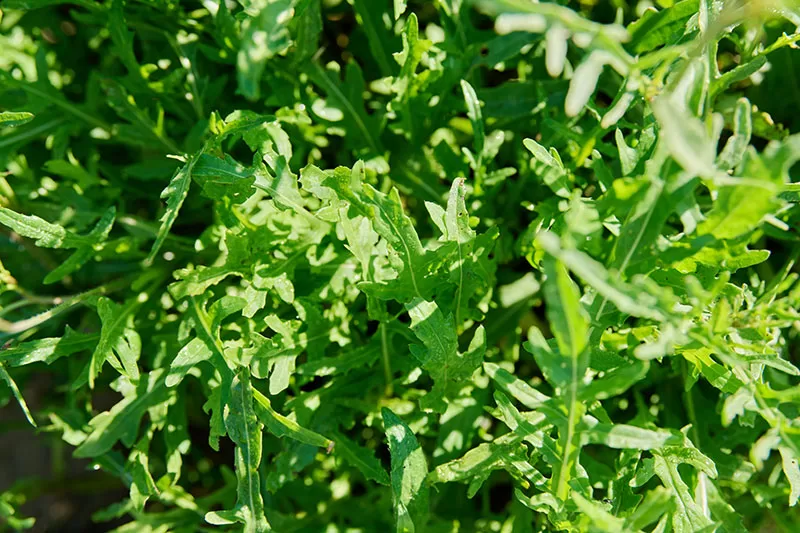
Rocket germinates quickly and young leaves can be picked before the plant reaches full size. A mature crop may take closer to seven or eight weeks. Its peppery leaves suit salads, pasta, pizzas and sandwiches.
Sow directly into a bed or pot then cover lightly. Rocket grows in sun or part shade. Afternoon protection helps during warm weather. Keep the soil moist since dry conditions can make the leaves harsher and more bitter.
Pick the outer leaves often and leave the centre growing. Sow another short row every few weeks to avoid a long gap followed by enough Rocket to feed the whole street.
4. Loose Leaf Lettuce (Lactuca sativa)
Approximate Harvest Time: 4 To 8 Weeks
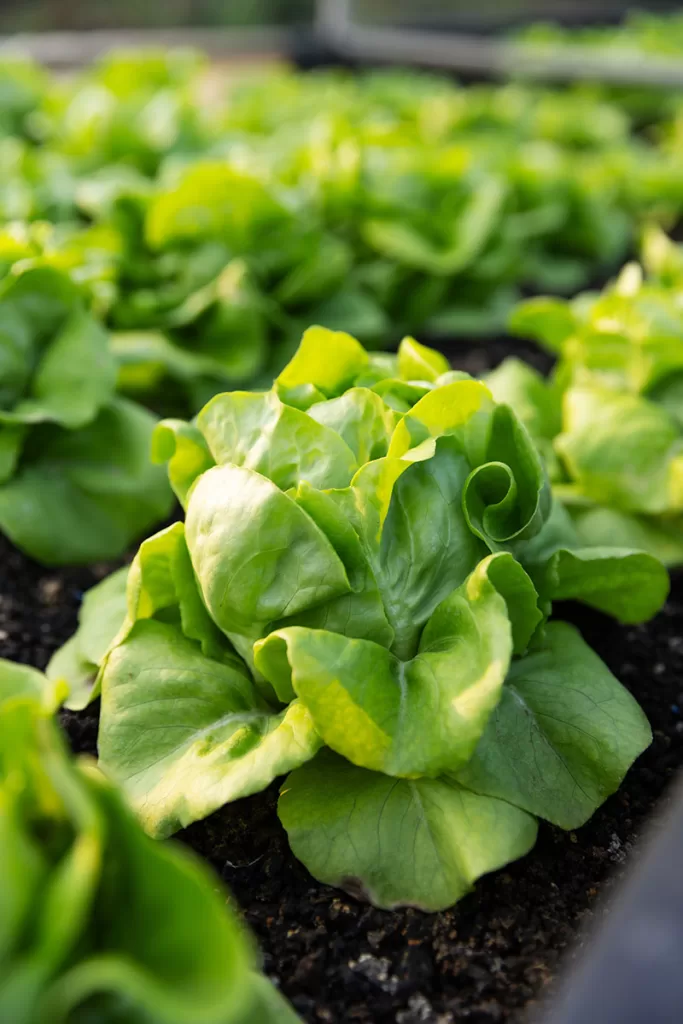
Loose Leaf Lettuce is faster than heading types such as Iceberg Lettuce. Pick baby leaves while the plants are small then continue harvesting the outer leaves. Regular picking usually begins at around six weeks.
Choose a variety suited to the season. Many Lettuces thrive in Autumn and Spring while heat tolerant varieties perform better in Summer. In hot districts provide afternoon shade and keep the soil evenly moist to reduce bitterness and premature flowering.
5. Asian Greens (Various Brassica Species)
Approximate Harvest Time: 3 To 8 Weeks
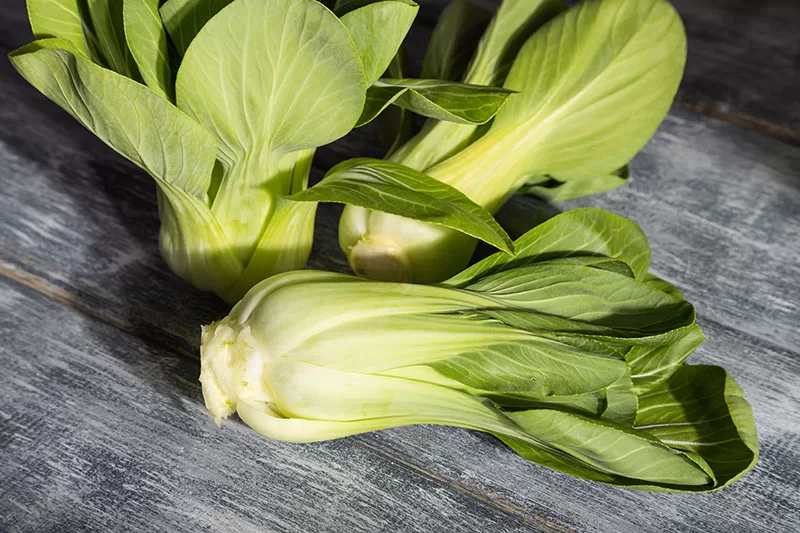
Asian Greens include Pak Choi, Bok Choy, Tatsoi, Mizuna and Chinese Mustard. The first four are generally forms of Brassica rapa while Chinese Mustard is usually Brassica juncea. Most germinate quickly and can be picked as baby leaves or left to mature.
They grow especially well during the cooler months in many Australian regions. Warm weather can push some varieties to bolt so regular watering and seasonal timing matter. Sow directly into fertile soil then thin seedlings to the spacing on the packet.
Pick individual leaves for salads and stir fries or harvest whole young plants. Smaller varieties are ideal for pots.
If you want to start a quick vegetable patch, you can pick up Pak Choi and Beetroot seeds plus handy tools from The Curious Gardener Shop.
6. Baby Spinach (Spinacia oleracea)
Approximate Harvest Time: 4 To 8 Weeks
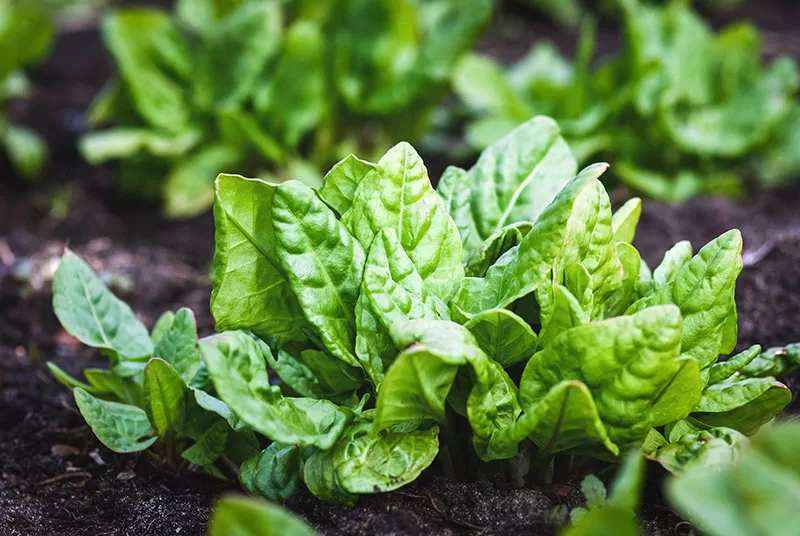
Baby Spinach is a reliable cool season crop. Snip young leaves for salads and use mature leaves in pies, pasta and curries.
Sow directly into rich soil in a sunny or partly shaded position. Keep the plants watered and feed regularly for tender growth. Harvest the outer leaves at soil level and leave the centre intact.
True English Spinach prefers cool conditions. In warmer areas or through Summer choose a heat tolerant alternative such as Silverbeet (Beta vulgaris) or Brazilian Spinach (Alternanthera sissoo).
7. Spring Onions (Allium fistulosum)
Approximate Harvest Time: 3 Weeks For Leaves Or 8 To 10 Weeks For Whole Plants
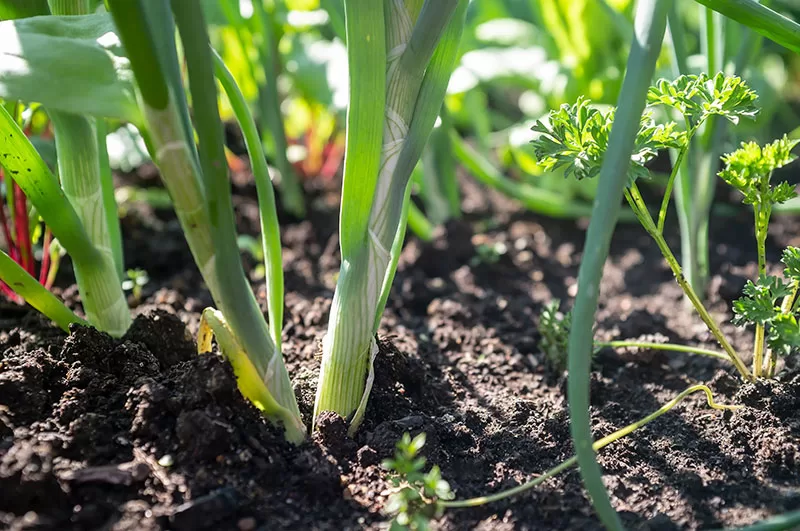
Spring Onions can provide green leaves within a few weeks. The whole plant takes longer although it is still a quick crop.
Sow in shallow rows or scatter through a pot. Spring Onions like full sun and moist, well drained soil. Snip individual leaves as needed or pull the whole plant once the white stem thickens. Regular small sowings will keep salads, omelettes and stir fries supplied.
8. Baby Beetroot (Beta vulgaris)
Approximate Harvest Time: 6 Weeks For Leaves Or 8 To 10 Weeks For Baby Roots
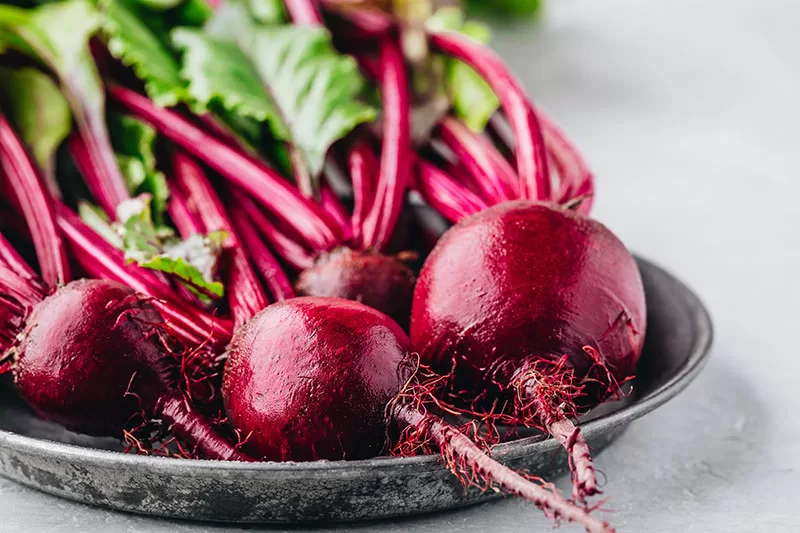
Beetroot provides two harvests from one plant. Add young leaves to salads and pull small roots for roasting, pickling or grating.
Each knobbly Beetroot seed is a cluster that can produce more than one seedling so thinning matters. Give the roots enough room and keep the soil evenly moist. Young thinnings with their leaves attached are worth eating.
Choose a Baby Beetroot variety for the quickest result. Harvest leaves from around six weeks and roots once they are large enough. Avoid taking too many leaves from plants being grown for their roots.
9. Zucchini (Cucurbita pepo)
Approximate Harvest Time: 6 To 8 Weeks
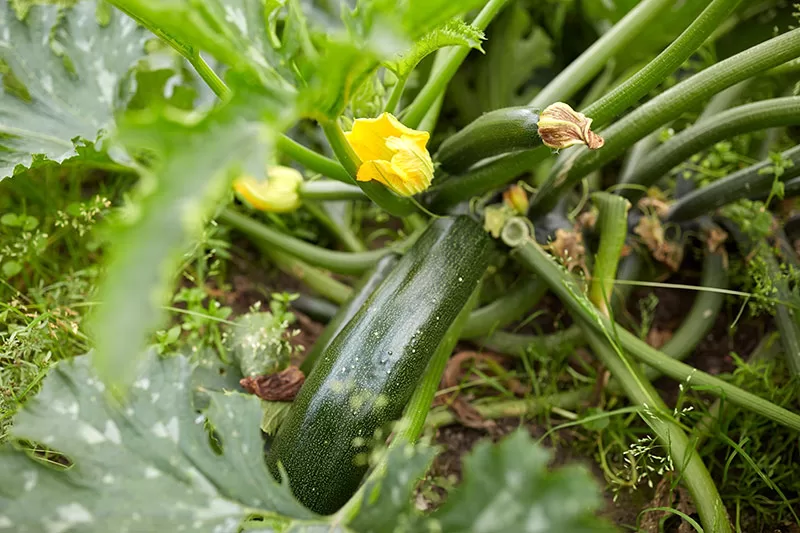
Zucchini is the fastest substantial crop here. Once production starts it can cover the kitchen bench with astonishing speed.
Sow in Spring after the risk of frost has passed. Zucchini needs full sun, fertile soil, steady moisture and room for its large leaves. A large container can work although one plant may take up more space than expected.
Harvest the fruit at around 10 to 15 centimetres long. Check often since small Zucchini can turn into Marrows over a single long weekend. Warm climate gardeners may be able to grow them beyond Spring and Summer.
10. Dwarf Beans (Phaseolus vulgaris)
Approximate Harvest Time: 8 To 10 Weeks
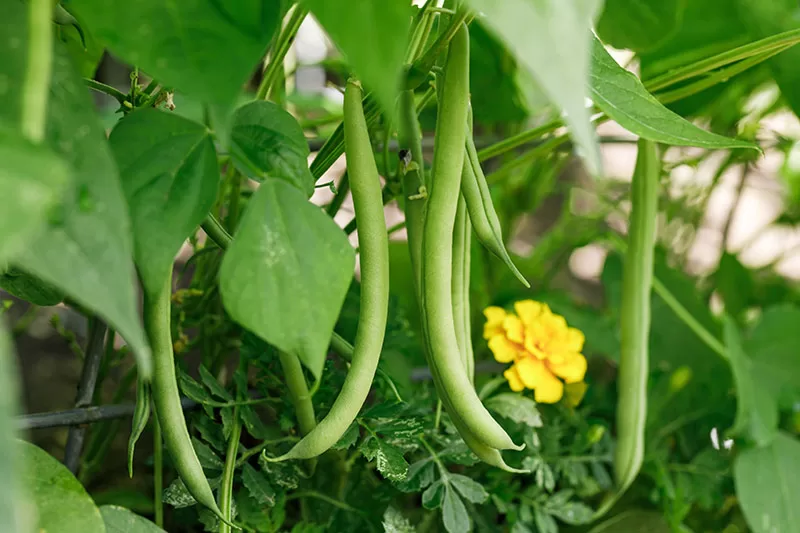
Dwarf Beans or Bush Beans stay compact and usually need no trellis which suits pots and small beds.
Beans need warm soil so sow them in Spring and Summer in cool and temperate regions. Tropical and subtropical gardeners should follow local seasonal advice since extreme heat and humidity can affect flowering.
Sow directly into moist soil. Avoid overwatering while the seeds germinate since they can rot in soggy conditions. Pick the pods while they are young and tender to keep the harvest coming.
Match The Crop To Your Climate
Australia covers a huge range of climates so a planting calendar for Hobart will not suit Darwin. Seed packets usually divide the country into Tropical, Subtropical, Temperate and Cool zones. Treat those instructions as more important than a general planting month.
As a broad guide:
- Leafy Greens, Radishes and Asian Greens usually perform best in mild or cool conditions
- Zucchini and Dwarf Beans need warmth and dislike frost
- Lettuce can grow through much of the year when you choose the right variety
- Tropical gardeners often grow cool season vegetables during the drier months
- Cool climate gardeners may need to wait until Spring for heat loving crops
Keep The Harvest Coming
The secret to getting value from fast growing vegetables is succession sowing. Planting a whole packet at once can produce one enormous harvest followed by an empty bed. Sow a short row or small pot every two or three weeks instead.
Start with Radishes, Rocket and Loose Leaf Lettuce for the quickest outdoor results. Add Asian Greens and Baby Spinach as the weather cools. Switch to Zucchini and Dwarf Beans once the soil warms. Microgreens can fill gaps at almost any time of year.
An edible garden does not have to be a lesson in delayed gratification. Choose the right crops, pick them young and keep sowing small batches. You could be eating something homegrown before your slower vegetables have even decided what they are doing.
Ready to put some of these fast growing vegetables to the test? The Curious Gardener Shop stocks Pak Choi Seeds for a quick crop of tender Asian Greens and Beetroot ‘Detroit’ Seeds for crisp young leaves followed by richly coloured roots.
Both are well suited to pots and small garden beds which makes them an easy place to start when you want homegrown results without a very long wait.
FAQs – Fastest Growing Vegetables
Microgreens are the quickest by a clear margin. You can snip them just 2 to 3 weeks after sowing. Radishes are the fastest root crop with many round varieties ready in about four weeks. Both suit trays and small pots so they work well on a balcony.
Yes. Most crops on this list grow happily in containers. Microgreens, radishes, lettuce, rocket and Asian greens all thrive in shallow pots and troughs. Zucchini needs a large container of at least 30 litres and one plant can fill it. Keep the potting mix moist since pots dry out faster than garden beds.
Heat and dry soil are the usual causes. Lettuce, rocket and Asian greens bolt when the weather warms or when watering is uneven. Grow them mainly in Autumn and Spring for the best results. In Summer choose heat tolerant varieties and give them afternoon shade. Water regularly to keep the leaves mild and tender.
Use succession sowing. Sow a short row or a small pot every two or three weeks instead of the whole packet at once. This spreads the harvest across many weeks. Radishes, rocket and lettuce respond especially well to this habit. Microgreens can fill any gaps at almost any time of year