If you have ever wandered through a nursery, picked up three plants and somehow walked out wondering where all your money went, this post is for you. Gardening can get expensive fast. Every pretty flower and stylish pot seems designed to separate you from your money with alarming efficiency.
The good news is that gardening on a budget does not mean settling for a miserable patch of half-dead discount plants and one brave Marigold hanging on for dear life. It simply means being a bit smarter, a bit more patient and a lot more resourceful.
Some of the best gardens in Australia are built slowly over time, with cuttings swapped between friends, compost made at home and plants chosen because they suit the conditions, not because they looked fabulous under nursery lighting.
That slower and more practical approach often creates a better garden anyway. It is less wasteful, less stressful and much kinder on the wallet.
So if you are keen on gardening on a budget without sacrificing beauty, productivity or leafy joy, here are 20 practical ways to save money in the garden.
1. Grow Plants From Seed
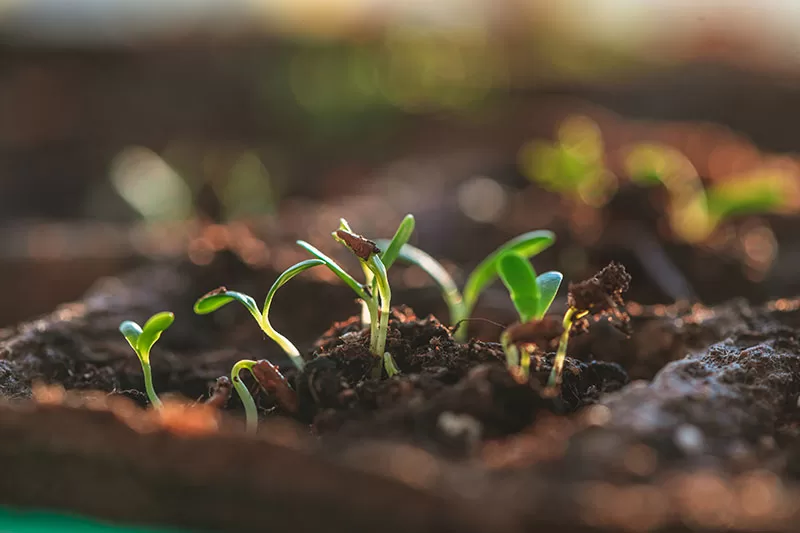
Buying punnets is convenient, though it is also one of the quickest ways to burn through your budget. A packet of seed usually costs less than a couple of seedlings and can give you dozens of plants.
This works especially well for vegetables, herbs and quick-growing flowers. Lettuce, Rocket, Basil, Beans, Parsley, Zinnias and Marigolds are all excellent value from seed.
A few ways to make seed growing even more worthwhile:
- Start with easy varieties
- Sow in the right season for your area
- Label everything properly
- Sow a little at a time rather than all at once
Seeds do ask for patience, though they pay you back handsomely.
2. Take Cuttings Wherever You Can
Once you realise how many plants grow happily from cuttings, paying full price starts to feel a little offensive. Plenty of favourites strike easily, including Rosemary, Lavender, Pelargoniums, Salvias, Succulents, Philodendrons and Pothos.
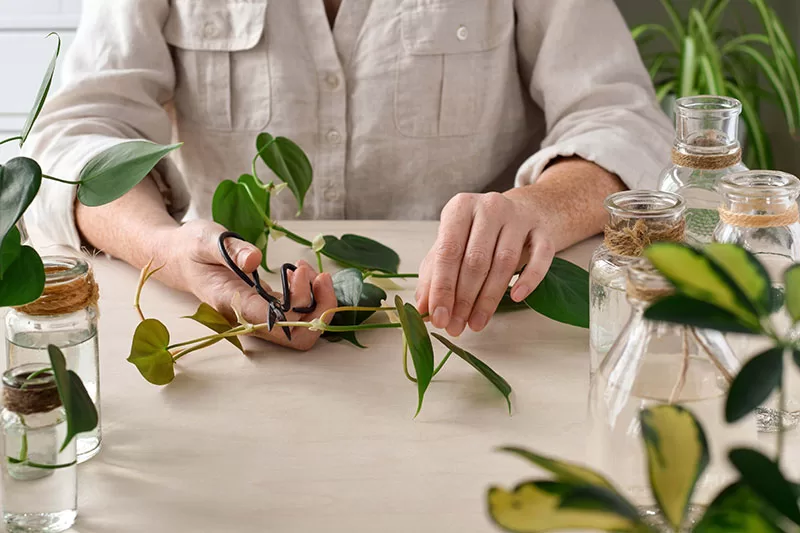
Ask a gardening friend for a few cuttings or use your own prunings. One healthy plant can turn into several more without you spending a cent. That is the kind of multiplication we can all get behind.
Use a free-draining mix, keep the cuttings lightly moist and place them in bright filtered light while they establish.
3. Divide Established Plants
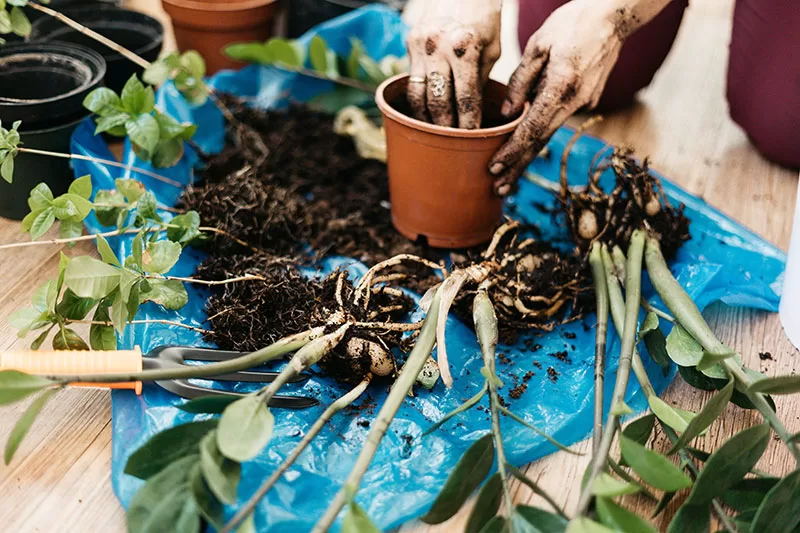
Many plants are generous little workhorses and naturally form clumps that can be lifted and split. Instead of buying more to fill a gap, you may already have the answer growing elsewhere in the garden.
Good candidates for division include:
- Lomandra
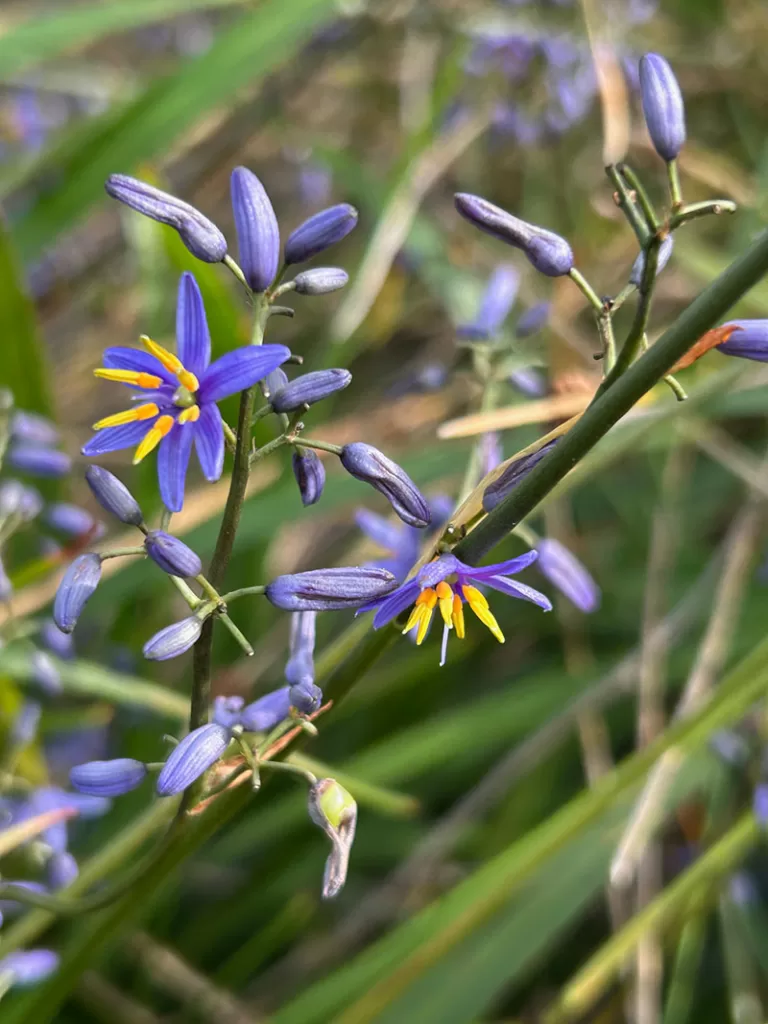
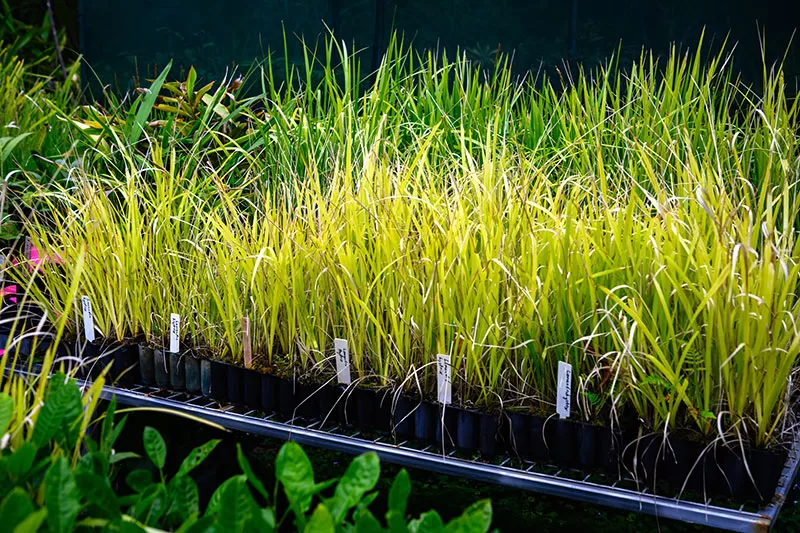
- Dianella
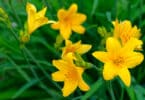
- Daylilies
- Orchids
- Society Garlic
- Liriope
- Daylillies
- Clivia
- Agapanthus (choose sterile or non-invasive varieties as older types are classified as invasive)
- ZZ Plant – Zamioculcas zamiifolia (pictured)
One plant becoming three or four is a beautiful thing when you are gardening on a budget.
4. Compost At Home
Compost is one of the easiest ways to save money in the garden. Kitchen scraps, fallen leaves and soft garden prunings can all be turned into useful organic matter instead of being thrown out.
You can compost:
- Fruit and vegetable scraps
- Coffee grounds
- Tea leaves
- Dry leaves
- Grass clippings in small amounts
- Shredded paper and cardboard
- Old flowers and soft prunings
Better soil grows healthier plants. Healthier plants need less rescuing, less replacing and less money spent on products trying to fix problems that better soil could have prevented in the first place.
5. Regrow Vegetables From Kitchen Scraps
This will not replace your whole vege patch, though it is still a handy little trick. Spring Onions, Celery, Lettuce, Leeks and Pak Choy can all regrow from the base if popped into shallow water first and then replanted.
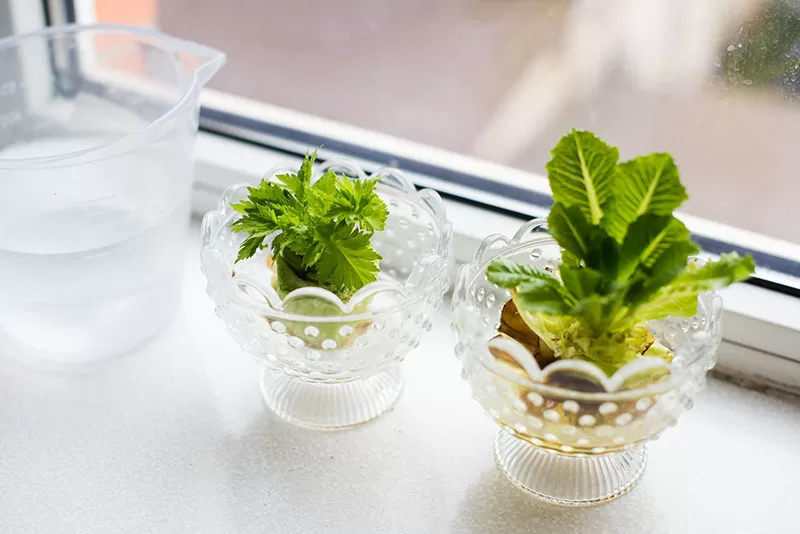
It is not magic, though it does feel slightly witchy in the best possible way.
This is especially useful if you have a small garden, a balcony or a sunny kitchen windowsill and want to stretch your grocery spend a little further.
6. Make Your Own Mulch
Mulch is worth its weight in gold in an Australian garden. It helps hold moisture in the soil, suppresses weeds and protects plant roots from extreme heat. Buying lots of it, however, can get expensive.
Before buying bags of mulch, see what you already have. Fallen leaves, fine prunings, sugar cane mulch, lucerne and council-supplied mulch can all do the job beautifully.
A decent layer of mulch saves money in two ways:
- You water less often
- You spend less time and money dealing with weeds
That is a strong return for something made from garden mess.
7. Reuse Pots, Trays and Containers
You do not need shiny new pots every time you sow seeds or strike cuttings. Old nursery pots, berry punnets, soft drink bottles, takeaway containers and seed trays can all be reused as long as they are clean and have drainage.
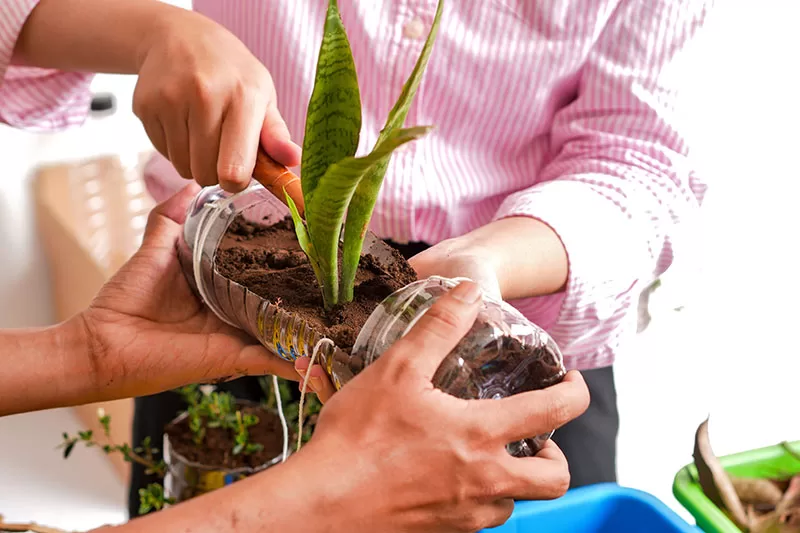
Sure, a row of matching terracotta pots looks lovely. So does not spending money unnecessarily.
Reusing containers is one of the simplest gardening on a budget habits to get into and it cuts waste while you are at it.
8. Save Water With Smarter Habits
Water is expensive and in much of Australia it is too precious to waste. A few small changes can make a real difference to your water bill.
Try this:
- Water early in the morning
- Mulch well to reduce evaporation
- Group plants with similar water needs
- Use a watering can for pots instead of letting the hose run
- Collect rainwater if you can
- Grow more drought-tolerant plants where it makes sense
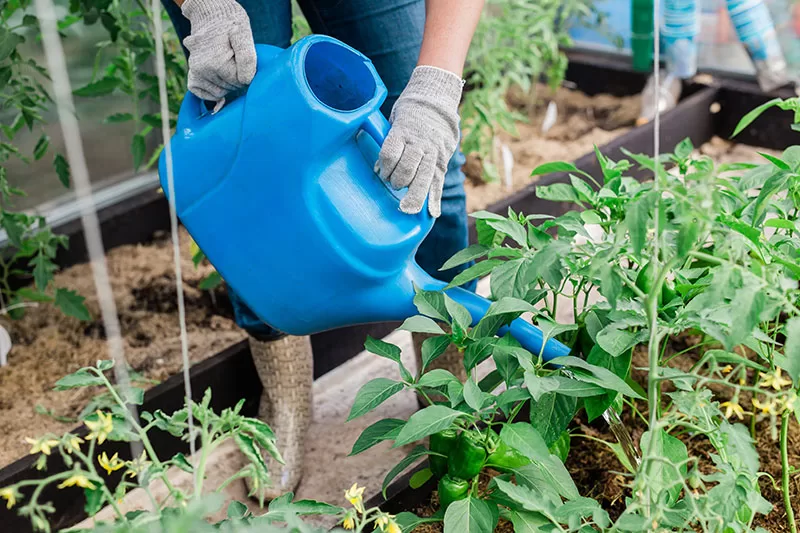
Greywater can sometimes be used on lawns and ornamental beds, though it is best kept away from edible crops and plants that are sensitive to salts or phosphorus.
9. Choose Tough Plants That Earn Their Keep
Some plants are absolute drama queens. Others just get on with the job. If you want to save money in the garden, go for the second group.
Choose plants that suit your climate, soil and sunlight instead of trying to force something unsuitable to perform. The tougher the plant, the less likely you are to keep spending money trying to prop it up.
Here are some reliable budget-friendly performers for Australian gardens:
| Plant | Water Needs | Sun | Frost Tolerant | Suited To |
|---|---|---|---|---|
| Westringia fruticosa (Coastal Rosemary) | Low | Full sun to part shade | Yes | Hedging, borders, coastal |
| Anigozanthos spp. (Kangaroo Paw) | Low | Full sun | Moderate | Feature planting, pots |
| Lomandra longifolia (Spiny-head Mat-rush) | Low | Full sun to shade | Yes | Mass planting, erosion control |
| Salvia rosmarinus (Rosemary) | Low | Full sun | Yes | Herb gardens, borders |
| Tulbaghia violacea (Society Garlic) | Low to moderate | Full sun | Yes | Edging, borders |
| Oenothera lindheimeri (Gaura/Bee Blossom) | Low | Full sun | Yes | Cottage gardens, mixed beds |
| Dianella caerulea (Blue Flax Lily) | Low | Full sun to part shade | Yes | Mass planting, under trees |
10. Buy Small Plants Instead of Advanced Ones
Advanced plants give instant impact, though they also come with an instant hit to the wallet. Smaller plants and tube stock are usually far cheaper and often establish faster once planted out.
They may look underwhelming at first, though give them time and they often catch up surprisingly quickly. Your patience can save you a lot of money here.
11. Shop At The Right Time
Timing matters. Nurseries often discount plants at the end of a season or clear tired stock that simply needs a trim, a drink and a bit of love.
Keep an eye out for:
- End-of-season sales
- Tube stock specials
- Community plant swaps
- Garden club stalls
- Local council native plant giveaways – Check with your council. Mine (Parramatta Council) has their Free Plant Day each September.
A slightly scruffy plant with healthy roots can be a very smart buy.
12. Grow Food You Actually Eat
Vegetable gardening saves money only if you grow things your household genuinely uses. There is no point producing a small zucchini empire if everyone is already over it by week two.
Focus on productive crops that earn their place:
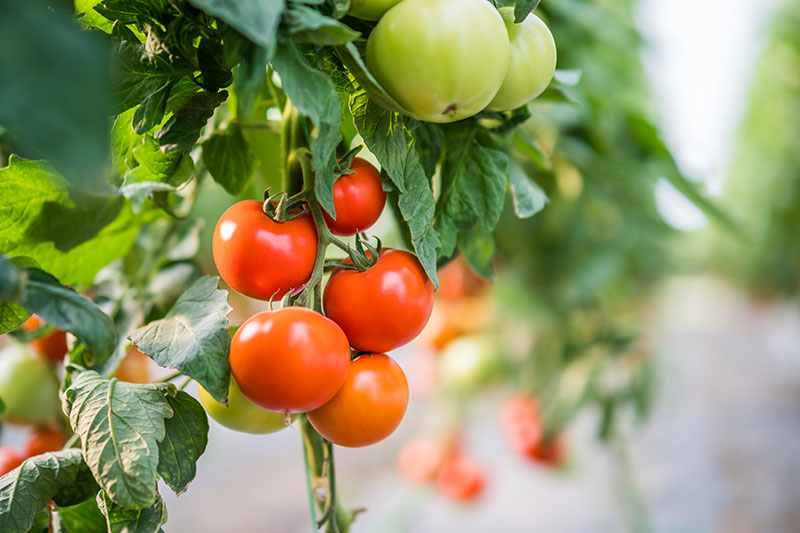
Herbs are especially good value. One plant of Chives, Thyme, Parsley or Basil can save you from buying endless supermarket packets that turn to sludge in the fridge.
If you are starting from scratch, a few packets from the seed collection in the Curious Gardener shop are an easy and affordable way to get productive crops going without blowing the budget.
13. Use Green Manure Crops
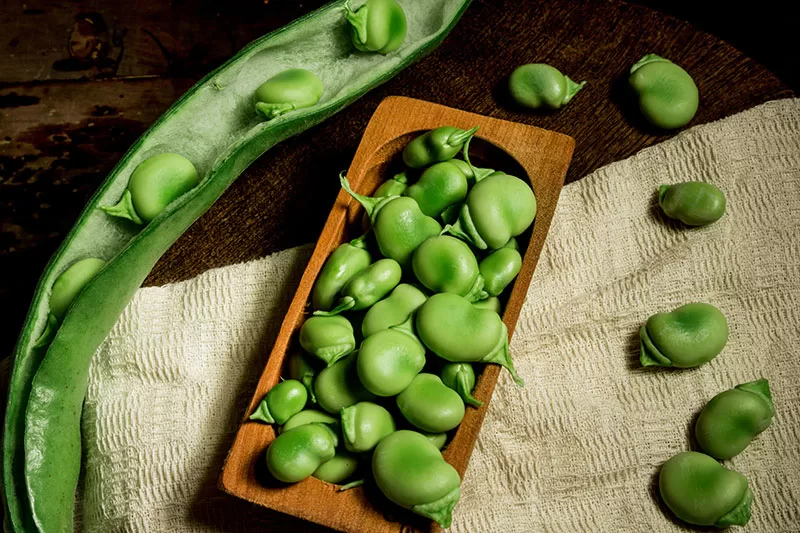
If you have empty beds sitting idle between seasons, you are missing a free chance to improve your soil. Fast-growing cover crops such as Clover, Mustard or Fava (Broad) Beans add organic matter back into the ground and can help improve soil structure.
Once chopped and dug in before flowering, they act like a living soil booster. It is a clever way to feed the garden without repeatedly buying bags of soil improver.
14. Swap Plants, Seeds and Garden Bits
Gardeners are often delightfully generous. One person’s spare seedlings, divisions or extra pots are another person’s budget jackpot.
You can swap:
- Cuttings
- Saved seed
- Divided perennials
- Spare seedlings
- Pots and trays
- Garden books and tools
This is one of the easiest ways to expand your garden for little or no cost and it usually comes with a side of good conversation too.
15. Learn To Propagate What You Love
When you find a plant that performs beautifully in your garden, do not stop at one. Learn how to make more of it. That might mean cuttings, division, offsets or seed saving depending on the plant.
Over time, repeating your best performers through the garden saves money and creates a more cohesive look. It also spares you from repeatedly buying plants you already know how to grow.
16. Avoid Buying Every Gadget Under The Sun
The internet is full of clever-looking tools and accessories that promise to change your life. Some are brilliant. Some are just shiny nonsense wearing a leafy disguise.
You really only need the basics:
- Hand trowel
- Secateurs
- Gloves
- Watering can or hose
- Fork or spade
- Wheelbarrow if you have space
Buy quality where it matters and be ruthless about skipping the gimmicks.
17. Use Council Programs Where You Can
Many councils offer practical ways to save money in the garden, though plenty of people do not realise they exist. Free native plant giveaways, cheap mulch, FOGO services and subsidised compost bins or worm farms can all help lower your gardening costs.
It is well worth checking your local council website to see what is on offer. There may be more support there than you expect.
18. Share Or Borrow Tools
Not every garden job justifies buying another tool. If you only need something occasionally, such as a post hole digger, pruning saw or lawn aerator, borrowing from a friend, neighbour or community tool library can save you a decent chunk of money.
It also saves your shed from turning into a graveyard of once-used gadgets.
19. Try ShareWaste Or Community Composting
If you do not have space for a compost bin or worm farm, that does not mean your scraps have to miss out. ShareWaste and similar community composting options connect people with food scraps to locals who can compost them.
It is a smart way to keep organic matter out of landfill and still support a garden, even if it is not your own.
20. Build Your Garden Slowly
This might be the biggest money-saver of all. Gardens do not need to be finished immediately. In fact, rushing often leads to expensive mistakes, impulse buying and plants shoved into the wrong spots because you were determined to get it all done in one hit.
A smarter approach looks like this:
- Start with one area at a time
- Improve the soil first
- Add trees and shrubs for structure
- Fill gaps gradually
- Use seeds, cuttings and divisions as you go
A garden built slowly often ends up being more thoughtful, more resilient and far cheaper overall. It also leaves room for the occasional completely unnecessary plant purchase that you will definitely justify later.
A Smarter Way To Grow
Gardening on a budget is not about going without. It is about getting clever. Grow from seed, divide what you already have, make compost, reuse containers and choose plants that suit your conditions from the start.
A budget garden can still be lush, productive and full of personality. Quite often it ends up being more satisfying too, simply because you built it yourself with patience, creativity and a bit of grit instead of throwing money at every problem.
So if your dream garden and your bank balance are currently having a domestic, do not panic. Start small, stay practical and remember that some of the best results in gardening come from spending less and growing smarter.
If you are keen to put these money-saving ideas into action, starting with seeds is one of the smartest moves you can make. A couple of affordable packets can turn into a surprisingly productive patch and there is something deeply satisfying about growing your own food from scratch rather than handing over cash for sad supermarket herbs and veg.
These two seed varieties from the shop are a great place to start if you want crops that are useful, rewarding and far kinder to the budget than a trolley full of nursery seedlings.
FAQs – Gardening On A Budget
Growing from seed is the most affordable way to get started. A single packet of seeds costs less than a couple of punnets and can produce dozens of plants.
It can be, provided you grow what your household actually eats and focus on high-yield crops like herbs, lettuce, tomatoes and beans that you would otherwise buy regularly.
Hardy natives like Westringia fruticosa, Lomandra longifolia and Kangaroo Paw (Anigozanthos spp.) are tough, drought-tolerant and rarely need replacing once established.
Many councils offer free mulch from tree pruning works and subsidised compost bins through programs like Compost Revolution. Services like MulchNet and MulchSpot also connect homeowners with local arborists giving away wood chips.