If your garden soil is more brick factory than veggie patch you are definitely not alone. Clay soil gets a bad rap but it is not the villain it is often made out to be.
Clay holds onto nutrients that sandy soils can lose in the first good downpour and it keeps moisture around for longer during Summer. The trouble starts when drainage is poor. Heavy clay can become compacted and sticky after rain then bake hard enough in dry weather to make you wonder whether a pickaxe should be standard gardening equipment.

Rather than fighting your soil with endless digging and amendments one of the easiest approaches is to choose plants that are naturally better equipped to cope with it.
Want to improve your clay soil first? Check out our practical no nonsense guide, How To Improve Clay Soil Without Breaking Your Back. The list below is for gardeners who want to start planting now while improving their soil gradually over time.
In This Guide
Understanding Your Clay Soil
Before choosing plants for clay soil it helps to understand exactly what you are working with. Clay particles are extremely small and pack together tightly. This is why clay soil can feel sticky and heavy when wet then hard and almost impenetrable when it dries out.
The upside is that clay can be surprisingly fertile. Those tiny particles hold onto moisture and nutrients very well. Once you choose plants that can cope with the drainage and compaction issues clay can actually become the foundation of a fabulous garden.
The Quick Ribbon Test
Not sure whether your soil is actually clay? Try the ribbon test.
Take a small handful of moist soil from your garden bed and squeeze it firmly between your thumb and finger while pushing the soil out into a ribbon shape. If it forms a smooth ribbon longer than about five centimetres before breaking you are probably dealing with clay soil. Sandy soil will crumble apart quickly while loamy soil generally forms a shorter rougher ribbon before breaking.
Australian Native Plants for Clay Soil
There are plenty of Australian natives that cope beautifully with heavier soils. Some even seem to regard difficult ground as a personal challenge.
1. Thyme Honey Myrtle (Melaleuca thymifolia)

Melaleuca thymifolia is a compact Australian native shrub growing to around 1 metre high and wide. It has fine thyme like foliage and gorgeous pink, mauve, purple or sometimes white flowers. Flowering is strongest in sunny conditions and often occurs through the warmer months.
This is an adaptable little shrub that tolerates heavier soil and less than perfect drainage although it will perform best where moisture is available without remaining permanently waterlogged.
Plant it in full sun to part shade and give it a light trim after flowering to encourage dense fresh growth.
2. Bottlebrush (Callistemon spp.)
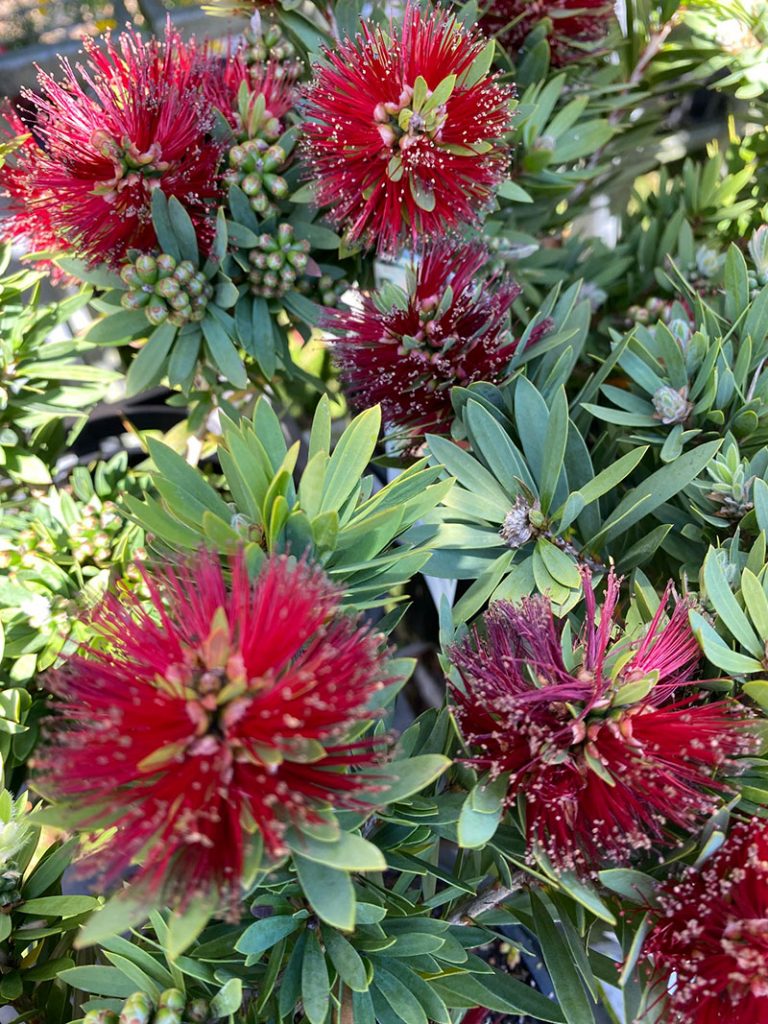
Bottlebrushes are Australian garden workhorses and many species are very well suited to clay soils.
Depending on the variety they can range from compact shrubs around one metre high to substantial shrubs and small trees well over four metres. Always check the plant label before buying unless you fancy discovering several years later that your cute little Bottlebrush has ambitions to become a tree.
Their familiar brush shaped flowers appear mainly through Spring and Summer in shades of red, pink, cream and white.
Bottlebrushes cope well with alternating wet and dry conditions and their nectar rich flowers are particularly attractive to honeyeaters, bees and other pollinating insects. Prune lightly after flowering if you want to maintain a dense compact shape.
3. Kangaroo Paw (Anigozanthos spp.)
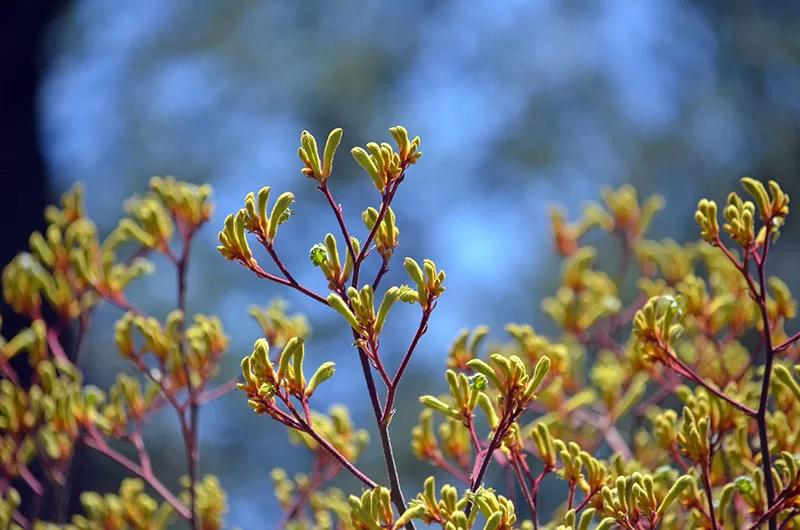
Kangaroo Paws need a little more explanation when it comes to clay soil. The tougher forms based on Anigozanthos flavidus are much more adaptable than many other Kangaroo Paws and can grow in heavier soils. Popular hybrids include cultivars such as ‘Bush Pearl’ and ‘Bush Gold’.
Depending on the variety plants can range from around 0.3 metres to well over one metre tall. Their brilliantly coloured tubular flowers appear mainly from Spring into Summer and are enormously popular with nectar feeding birds.
If you have heavy clay, plant Kangaroo Paws on a slightly raised mound so excess water can drain away. Good airflow is also important as wet and humid conditions can encourage fungal problems including ink spot.
Avoid overcrowding and remove old damaged foliage when necessary.
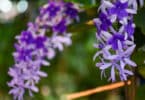
4. False Sarsaparilla (Hardenbergia violacea)
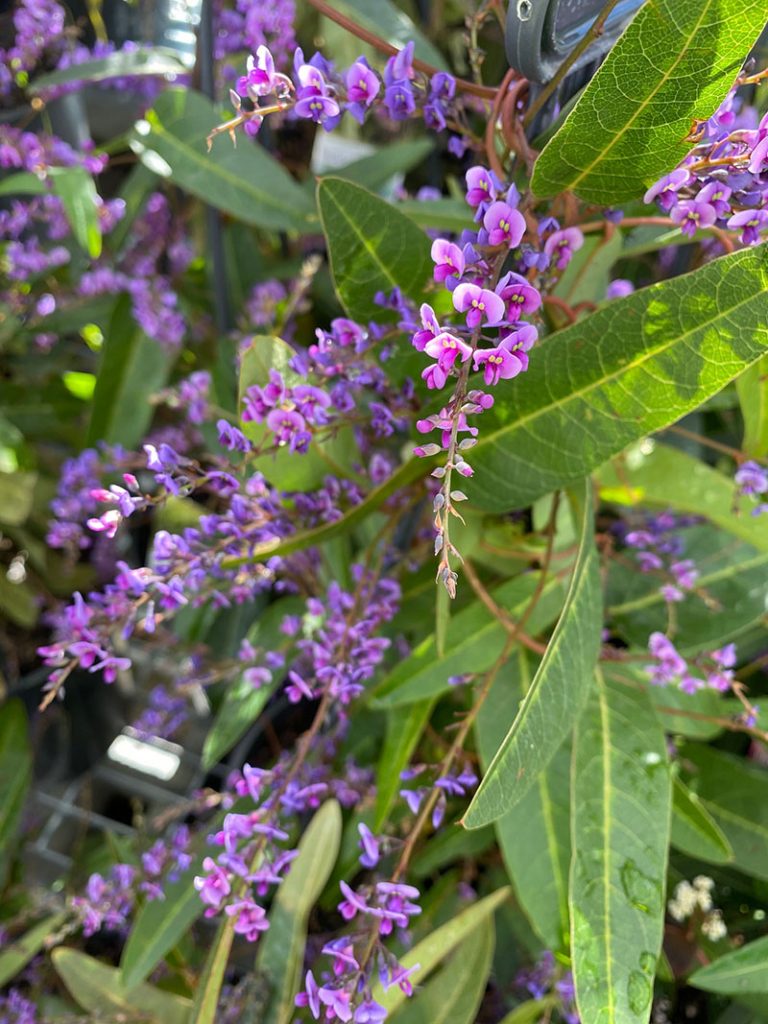
False Sarsaparilla is what I call a clay soil trouper. It’s a hardy Australian native climber or groundcover that tolerates an impressive range of soils including clay and poorer soils.
When grown as a climber it can reach around 2 to 3 metres and is excellent for covering fences, trellises and other structures. It can also scramble through garden beds as a groundcover. Masses of purple, lilac, pink or white pea shaped flowers appear from Winter into Spring.
Plant in full sun or part shade and prune after flowering to control its enthusiasm. Hardenbergia is beautiful but it is not particularly shy.
5. Kangaroo Thorn (Acacia paradoxa)

Kangaroo Thorn is a dense spiny shrub generally growing around 2 to 4 metres high. It tolerates clay, drought and difficult conditions once established. Bright yellow ball shaped flowers appear from late Winter into Spring and provide food for insects while the dense prickly growth creates excellent shelter for small birds and other wildlife.
It can work brilliantly as a habitat plant, informal barrier or low maintenance screen although there is one fairly obvious warning. Those thorns mean business. Keep this one away from paths, play areas and anywhere you regularly retrieve a football.
If you want to add even more Australian native interest while your shrubs establish our Australian Bush Fire Seed Collection is worth a look. It contains native wildflowers and bush tucker species that use smoke treatment to encourage germination. In very heavy clay give the seeds an improved or slightly raised section of garden rather than assuming every species in the mix will enjoy wet compacted ground.
6. Lomandra (Lomandra longifolia)
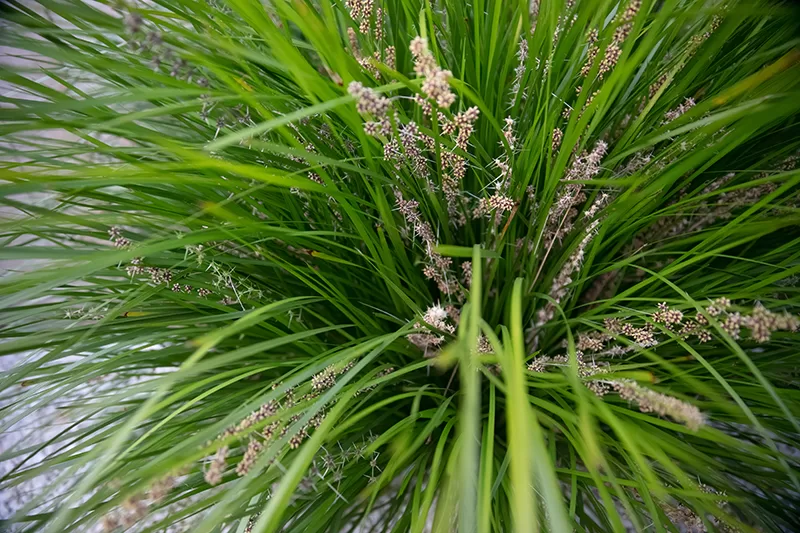
If Australian plants held a competition for refusing to die, Lomandra would be somewhere on the podium. This tough strappy leaved native generally reaches around 0.5 to 1 metre tall although some forms grow larger. Small cream to yellow flower spikes appear mainly in Spring and the dense foliage provides year round structure.
Lomandra longifolia tolerates a wide range of soils including heavy clay. It can cope with dry periods and occasional flooding once established which makes it particularly useful in difficult garden beds, slopes, borders and erosion prone areas.
Plant it in full sun or part shade. Remove old foliage when needed or give tired plants a harder renovation prune if the variety responds well to cutting back.
7. Fan Flower (Scaevola sp.)
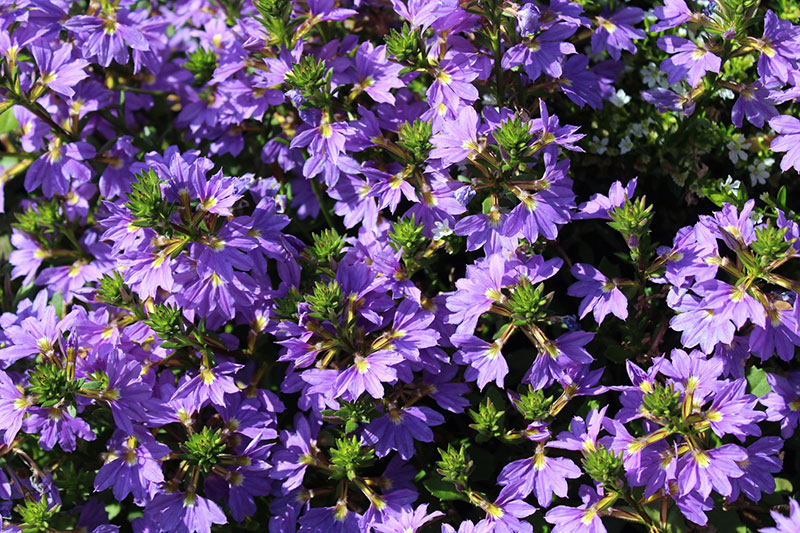
Fan Flowers are wonderfully cheerful Australian natives with distinctive fan shaped blooms. Depending on the variety they generally remain low at around 15 to 50 centimetres high while spreading anywhere from half a metre to more than a metre.
Flowers occur in shades of blue, mauve, purple, pink and white with many forms flowering from Spring through Summer and into Autumn.
Some forms of Scaevola aemula can grow in clay soil although waterlogging is bad. If your clay stays soggy for days after rain plant Fan Flower into a raised section. A light trim keeps plants compact and encourages more flowering.
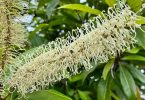
8. Blueberry Ash (Elaeocarpus reticulatus)
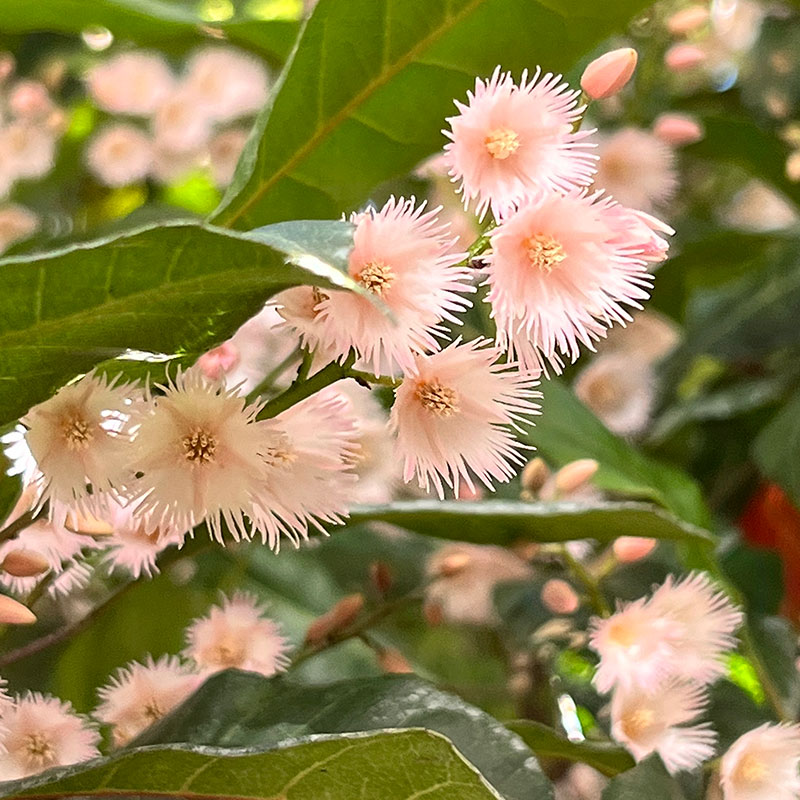
Blueberry Ash is one of those native plants that manages to look far more delicate than it actually is.
This beautiful tall shrub or small tree can reach around 5 to 10 metres in gardens although some specimens grow larger. It can also be pruned to keep it smaller and works beautifully as a screening plant or feature tree.
Fringed white or pink bell shaped flowers appear through Spring and Summer followed by striking bright blue berry like fruits that can remain on the tree for months and attract birds.
Blueberry Ash tolerates clay and a range of other soil types although permanently waterlogged conditions are best avoided. It grows in full sun to part shade and generally requires very little pruning.
9. Correa (Correa reflexa and hybrids)
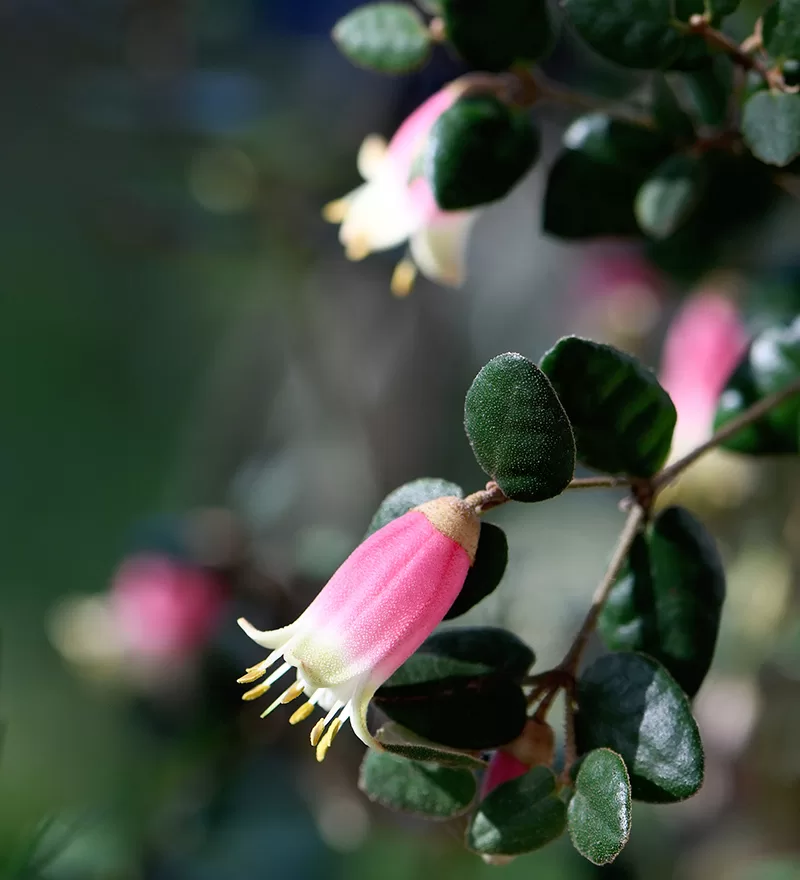
An underused gem! Correas deserve far more attention in Australian gardens. Correa reflexa occurs naturally across an enormous range and can be found growing in several soil types including clay.
Plants commonly reach around 0.5 to 1.5 metres although the species is wonderfully variable. Tubular flowers in shades of pink, red, green and cream appear predominantly through Autumn and Winter and provide valuable nectar for honeyeaters during the cooler months.
Many Correas also cope well with part shade and dry conditions once established. Clay is fine but permanently soggy soil is another matter. Choose a reasonably drained position and lightly tip prune after flowering if you want a denser plant.
Tough Ornamental Plants for Clay Soil
Australian natives certainly do not have a monopoly on clay tolerance. Plenty of ornamentals are perfectly happy to get their roots into heavier ground.
10. Hosta (Hosta spp.)

Hostas and moist clay soil can be excellent companions. These lush shade loving perennials range from tiny varieties around 20 centimetres high to huge cultivars approaching a metre.
Their broad sculptural leaves bring texture and rich shades of green, blue green and variegated colour into shady garden areas. Lavender or white flower spikes appear during Summer. Hostas enjoy fertile moisture retentive soil and can grow well in heavy clay when it has been improved with compost or organic matter.
There is one catch. Snails and slugs love Hostas almost as much as gardeners do. Apparently nobody told them they were foliage plants rather than an all you can eat buffet.
11. Roses (Rosa spp.)
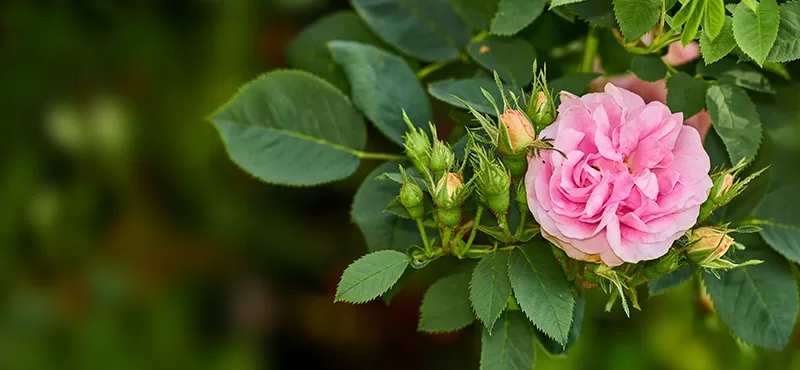
Yes, really! Roses can perform very well in clay because heavier soils hold moisture and nutrients effectively.
Most garden Roses grow around 1 to 2 metres as shrubs while climbing forms can become considerably larger. Modern repeat flowering varieties can produce blooms from Spring through Autumn.
The important part is drainage. Roses do not want roots sitting in stagnant water so extremely compacted clay should be improved across the wider planting area or planted slightly proud of the surrounding soil.
Prune most modern Roses during Winter while they are dormant and feed as fresh growth begins in Spring.
12. Daylilies (Hemerocallis spp.)
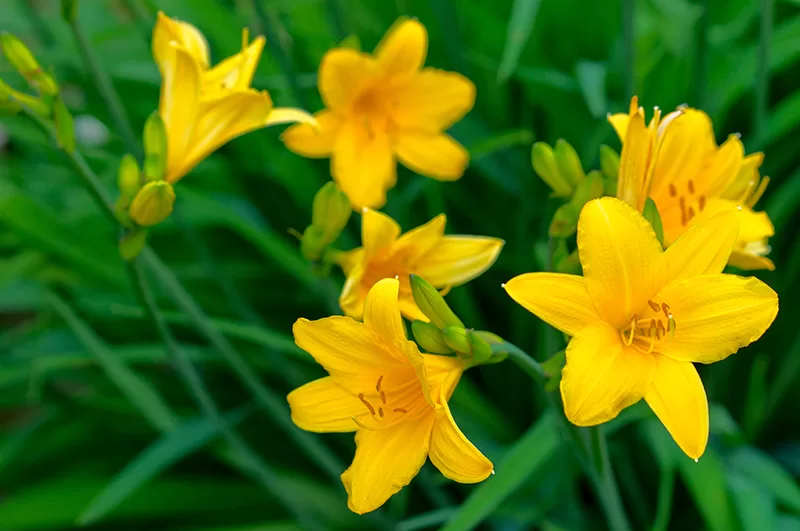
Daylilies are genuinely excellent plants for heavy clay. These tough perennials usually grow between 0.3 and 1 metre tall and develop substantial fleshy root systems.
They tolerate heavy and poorer soils provided they are not permanently sitting in water. Each trumpet shaped flower lasts only a day which explains the name. Thankfully the plants produce a succession of buds so flowering continues through Summer.
Plant in sun for the best flower display and divide established clumps every few years if they become congested.
13. Anemone hupehensis – Japanese Anemone
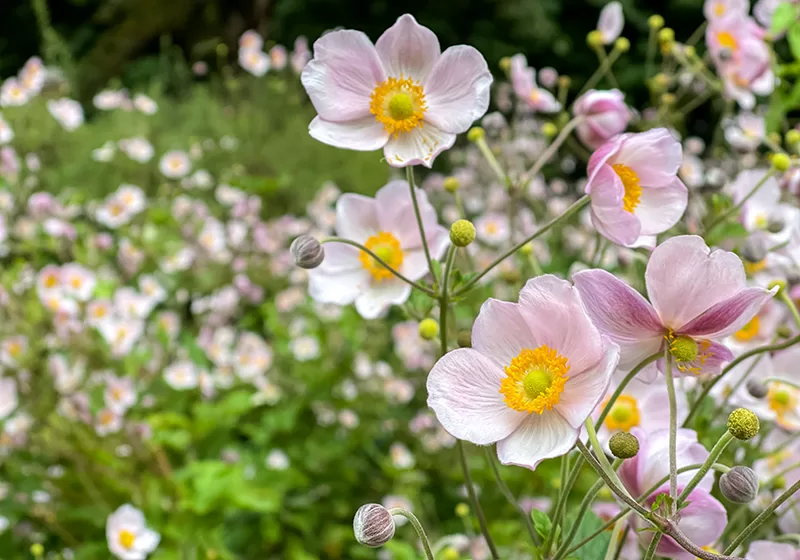
Japanese Anemones bring elegant late season colour to the garden when many other perennials are starting to pack up for the year.
They generally reach around 0.6 to 1.2 metres high with slender stems carrying pink or white flowers from late Summer into Autumn. They appreciate reliably moist soil and can cope with clay provided it drains reasonably well. Avoid positions that remain cold and waterlogged for long periods.
Japanese Anemones grow particularly well in part shade. They spread through underground rhizomes so give them room to wander. Once established they can be rather determined about staying established.
14. Sedum ‘Autumn Joy’
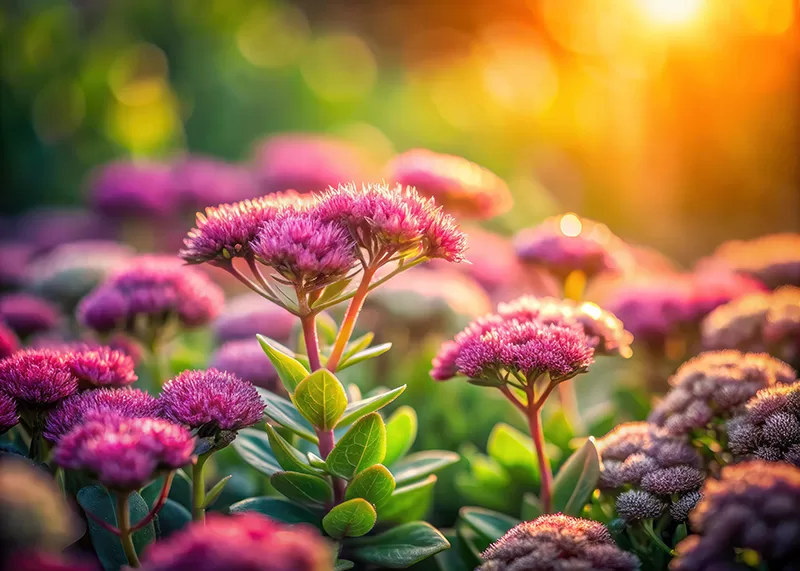
Still widely known as Sedum ‘Autumn Joy’ this succulent perennial reaches around 0.4 to 0.6 metres high and produces chunky grey green foliage. Large flattened flower heads begin pink then deepen towards richer rose and rusty tones through Autumn. Bees and butterflies adore them.
Sedum can be grown where the underlying soil is clay although drainage is critical. It does not tolerate permanently wet or poorly drained soil and can suffer root rot.
In heavy clay plant it on a raised mound or improve the surrounding drainage. Once established it is wonderfully drought tolerant and handles neglect like a pro.
15. Acanthus mollis – Oyster Plant
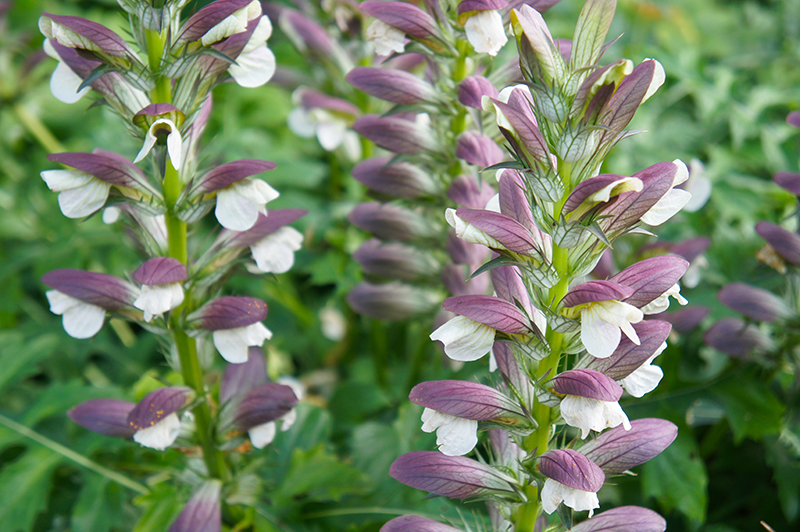
Also known as Bear’s Breeches, Oyster Plant is made for gardeners who like foliage with a bit of drama. It produces large glossy deeply lobed leaves and tall spikes of purple and white flowers through late Spring and Summer.
Plants generally reach around 1 to 1.5 metres and perform well in sun to part shade. Acanthus mollis can grow in clay and heavier soils although it still prefers reasonable drainage.
Give it some room because once established it can spread through seed and pieces of root. Moving it can be especially entertaining because any root fragments left behind are quite capable of launching a comeback tour.
16. Coreopsis (Coreopsis grandiflora)
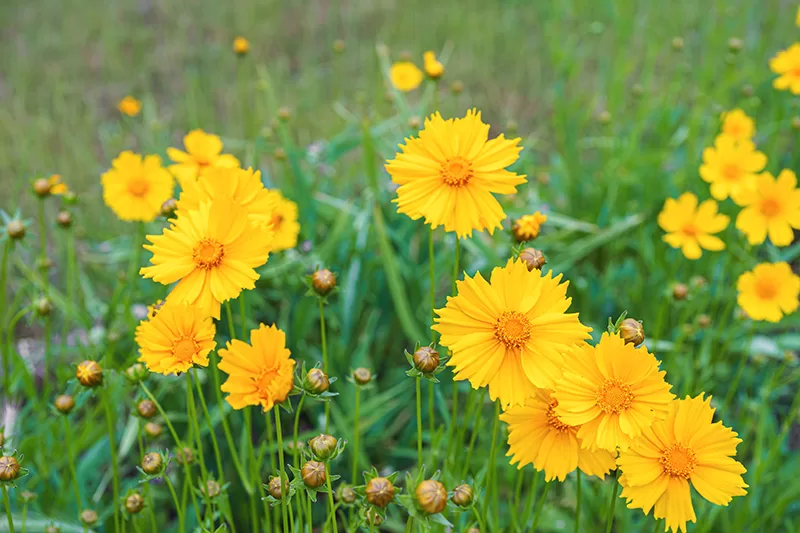
Coreopsis brings masses of bright yellow daisy like flowers to sunny garden beds through Spring and Summer.
Plants generally grow around 0.3 to 0.6 metres tall and work beautifully in informal gardens and mass plantings. Coreopsis can be grown successfully where clay is present although this is another plant that prefers good drainage. In very heavy or wet clay improve the soil across the planting area or grow it on a slightly raised mound.
Once established it requires relatively little water. Deadheading encourages more flowers and older clumps can be divided every few years to keep them vigorous.
Clay Soil Plants At A Glance
| Plant | Approximate Height | Best Position | Main Flowering Period | Clay Notes |
|---|---|---|---|---|
| Thyme Honey Myrtle | Around 1 m | Full Sun to Part Shade | Mainly Summer | Tolerates heavier soil and imperfect drainage |
| Bottlebrush | 1 to 4 m+ | Full Sun | Spring to Summer | Many species tolerate clay very well |
| Kangaroo Paw | 0.3 to 1.2 m+ | Full Sun | Spring to Summer | Choose tougher forms and provide drainage |
| False Sarsaparilla | Climber to 2 to 3 m | Full Sun to Part Shade | Winter to Spring | Excellent clay tolerance |
| Kangaroo Thorn | 2 to 4 m | Full Sun to Part Shade | Late Winter to Spring | Tolerates clay and dry conditions |
| Lomandra | 0.5 to 1 m+ | Full Sun to Part Shade | Spring | Excellent clay tolerance |
| Fan Flower | 0.15 to 0.5 m | Full Sun to Light Shade | Spring to Autumn | Clay tolerant forms still require drainage |
| Blueberry Ash | 5 to 10 m+ | Full Sun to Part Shade | Spring to Summer | Tolerates clay but avoid waterlogging |
| Correa | 0.5 to 1.5 m | Full Sun to Shade | Autumn to Winter | Many forms tolerate clay |
| Hosta | 0.2 to 1 m | Part Shade to Shade | Summer | Excellent in moist improved clay |
| Roses | 1 to 2 m+ | Full Sun | Spring to Autumn | Clay suits Roses if drainage is adequate |
| Daylilies | 0.3 to 1 m | Full Sun to Part Shade | Summer | Excellent heavy clay tolerance |
| Japanese Anemone | 0.6 to 1.2 m | Part Shade to Sun | Late Summer to Autumn | Moist clay is fine but avoid waterlogging |
| Sedum ‘Autumn Joy’ | 0.4 to 0.6 m | Full Sun | Autumn | Needs improved drainage in clay |
| Oyster Plant | 1 to 1.5 m | Part Shade to Sun | Late Spring to Summer | Handles clay but can spread vigorously |
| Coreopsis | 0.3 to 0.6 m | Full Sun | Spring to Summer | Best in raised or improved clay |
Clay Soil Pro Tips
Choosing the right plants is half the battle. A few simple planting habits will make life considerably easier.
Plant during Autumn or early Spring. In most temperate Australian climates this gives roots time to establish before the heat and dryness of Summer arrive.
Mulch the soil surface. A good layer of organic mulch helps regulate soil moisture and prevents the surface from baking quite so hard.
Plant drainage sensitive species slightly high. Mounding Kangaroo Paws, Sedum, Coreopsis and similar plants can make an enormous difference in heavy clay.
Improve a wider area rather than creating one perfect planting hole. Adding compost through the surrounding bed is generally more useful than creating a small pocket of beautiful soil surrounded by compacted clay.
Do not work wet clay. Digging or walking repeatedly over saturated clay can destroy its structure and increase compaction. Wait until it has dried enough to crumble rather than smear.
Give permanent plants some thought before planting. Shrubs and trees are much easier to position correctly the first time. Perennials such as Daylilies and Hostas can be divided later when required.
Should I Improve My Clay Soil As Well As Choosing The Right Plants?
Absolutely.
Choosing plants suited to clay lets you start gardening immediately while gradual soil improvement makes the entire garden easier to manage over time.
See our companion guide How To Improve Clay Soil Without Breaking Your Back for practical ways to improve soil structure while your new plants settle in.
Clay soil does not have to be a curse. Work with what you have rather than trying to transform your entire garden into something it was never meant to be. Choose tough plants, pay attention to drainage and keep building organic matter over time.
Before long that sticky patch of earth can become a thriving resilient garden.
FAQs – Plants for Clay Soil
Yes. Most vegetables perform better when heavy clay has been improved with compost and organic matter.
Raised beds can also help where drainage is particularly slow. You do not necessarily need to replace your soil. Improving its structure gradually can turn fertile clay into excellent vegetable growing soil.
Try the ribbon test described earlier in this guide. If your soil forms a long smooth ribbon when squeezed and feels sticky when wet you are probably dealing with clay.
It depends on the plant and how heavy your clay is. Plants such as Hardenbergia, Lomandra and many Bottlebrushes cope remarkably well with clay. Drainage sensitive plants including Sedum, Coreopsis and many Kangaroo Paws benefit from mounding or soil improvement. Rather than putting a handful of compost into one small planting hole improve a wider section of soil where possible.
Most natives and tough perennials take around one to two growing seasons to develop a substantial root system.
Regular watering during the first Summer is particularly important even for plants that will eventually become drought tolerant. Once established their roots are much better equipped to cope with clay soil moving between wet and dry conditions.