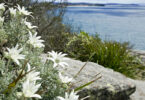
Dry shade sounds fairly harmless until you actually try to grow something in it. There is no blazing afternoon sun to worry about. Unfortunately there is often very little moisture either.
Plants in these spots may be competing with established tree roots for water and nutrients. Areas beneath wide eaves can be just as difficult because they receive almost no natural rainfall. It is basically the garden equivalent of being asked to thrive on very little while someone else takes all the good stuff.
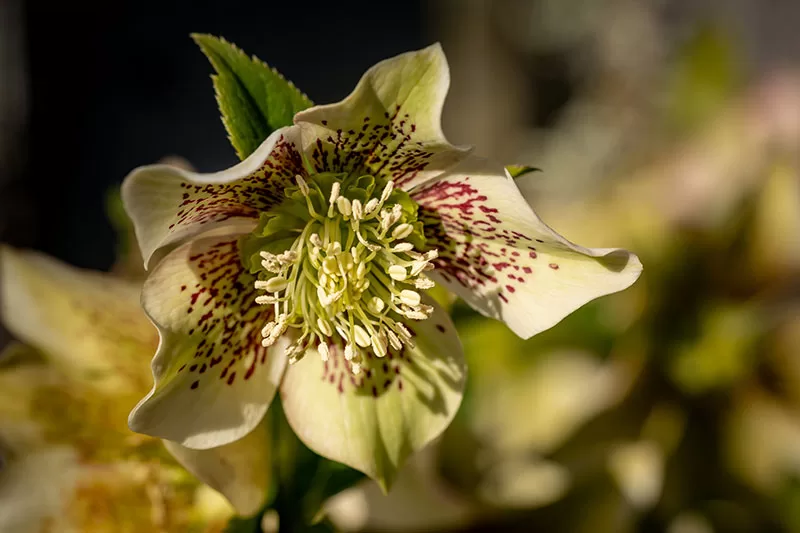
The good news is that dry shade does not have to mean bare soil and miserable plants. There are plenty of genuinely tough plants for dry shade that cope with lower light and limited moisture once established. Even better, quite a few of them are Australian natives.
The trick is matching the plant to the shade you actually have. Deep shade beneath a dense evergreen canopy is very different from dappled shade beneath a Gum Tree. Climate matters just as much. A plant that happily sails through Winter in Hobart may look decidedly unimpressed by a humid Brisbane Summer.
Table Of Contents
What Exactly Is Dry Shade?
Dry shade is an area that receives limited direct sunlight while the soil remains relatively dry. It turns up in more places than many gardeners expect.
Common dry shade situations include:
- Beneath established trees where roots take up much of the available moisture
- Along the sheltered southern side of a house
- Under wide roof eaves that block rainfall
- Beneath decks, verandas or dense shrubs
- In narrow side passages that receive very little rain
Before planting, improve tired soil with compost or other organic matter where practical. Be careful around established trees and avoid damaging major roots.
Water new plants regularly while their roots establish and apply mulch to slow moisture loss. Even drought tolerant plants are not drought proof on the day they come home from the nursery. They need time to get their feet under the table first.
12 Reliable Plants For Dry Shade
1. Clivia – Clivia miniata
Clivia is almost the poster plant for dry shade. Its broad glossy leaves form handsome evergreen clumps and bright flowers appear from late Winter into Spring in shades of orange, yellow, cream and red.
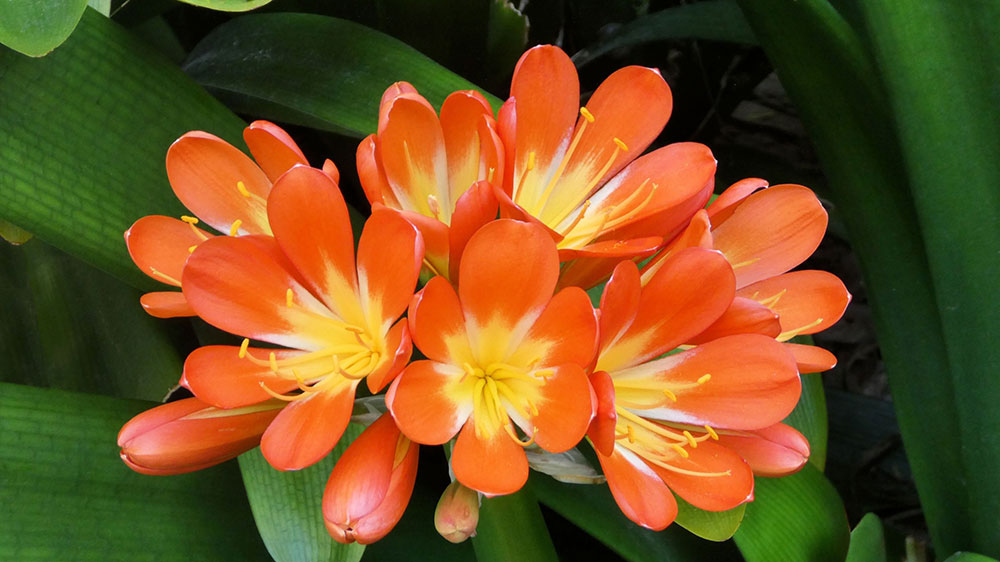
Clivias are particularly useful beneath established trees because they tolerate root competition remarkably well. They will grow in deep shade although flowering is usually better in dappled light.
Once established they cope very well with dry spells. They are frost tender in cold districts so give them some protection if your garden experiences heavy frost.
2. Cast Iron Plant – Aspidistra elatior
The name rather gives the game away.
Cast Iron Plant earned its reputation by surviving conditions that would make fussier plants pack a small suitcase and leave.
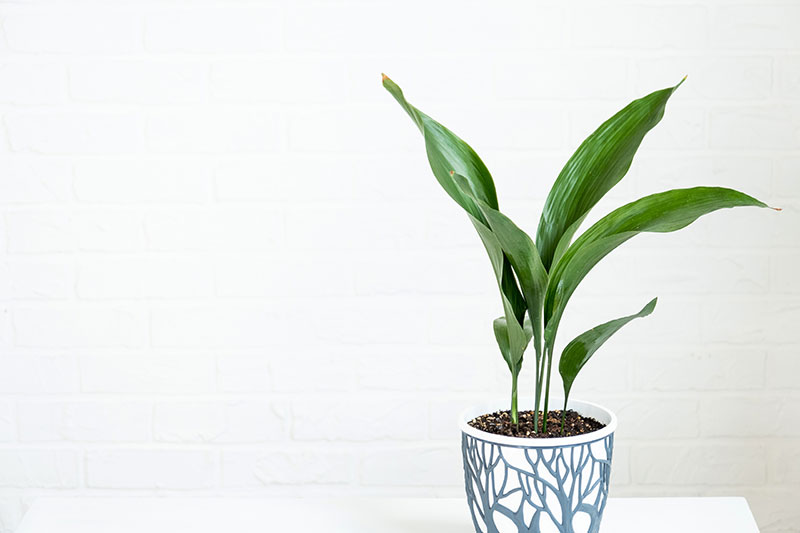
Its large dark green leaves create a lush leafy effect even in deep shade. Aspidistra works particularly well beside buildings and beneath dense tree canopies where other plants struggle.
It tolerates dry soil once established and requires very little pruning. Keep it out of strong direct sun because the foliage can scorch. Plant several together if you want to create a substantial mass of glossy green foliage.
3. Spiny Headed Mat Rush – Lomandra longifolia
If you want an Australian native that shrugs off neglect, Lomandra longifolia deserves a place near the top of the list.
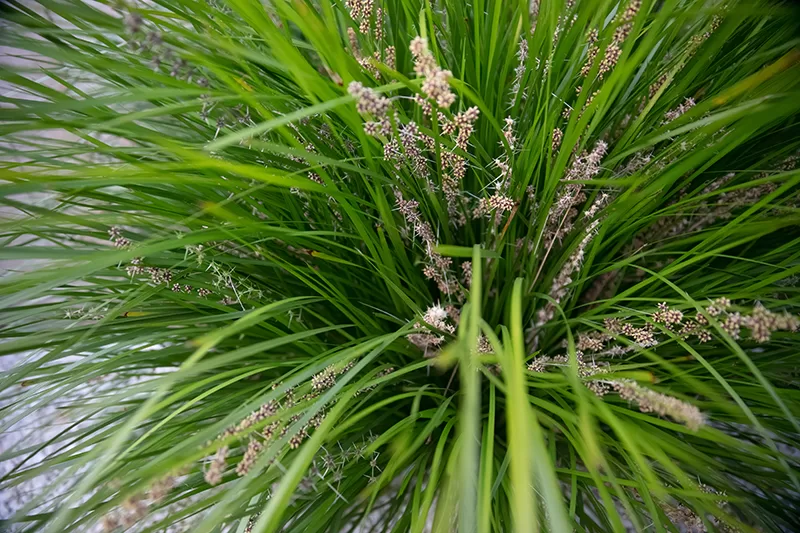
This tough clumping perennial handles poor soils, dry spells and a wide range of Australian conditions. It grows best in sun through to part shade rather than very deep shade so it is ideal beneath more open tree canopies where some filtered light reaches the ground.
The strappy foliage adds structure while scented cream to yellow flower spikes appear from Winter into Spring. Lomandra suits larger dry shade areas beneath mature trees. Compact cultivars such as ‘Tanika’ can work well in smaller gardens.
The leaf tips can be sharp so avoid placing larger forms immediately beside a busy pathway.
4. Native Flax Lily – Dianella revoluta
Dianella revoluta is another dependable Australian native for difficult positions. It forms neat clumps of narrow foliage with delicate blue flowers appearing through Spring and Summer followed by decorative purple to blue berries.
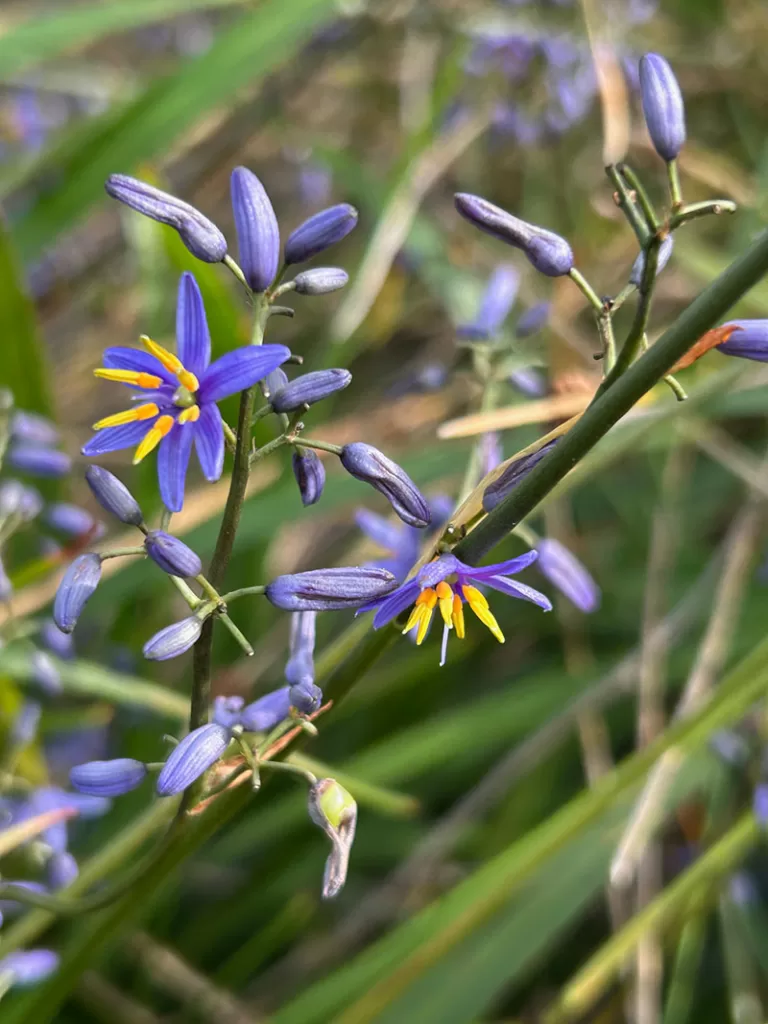
Many cultivars are drought tolerant once established and perform well in light to half shade. This makes Dianella particularly useful beneath open canopies where filtered light still reaches the ground.
It looks terrific planted along pathways or repeated through a larger garden bed. Dianella caerulea is another option worth considering in warmer and more humid gardens.
5. Kidney Weed – Dichondra repens
For something much lower to the ground, Dichondra repens is a lovely native option for dappled shade.
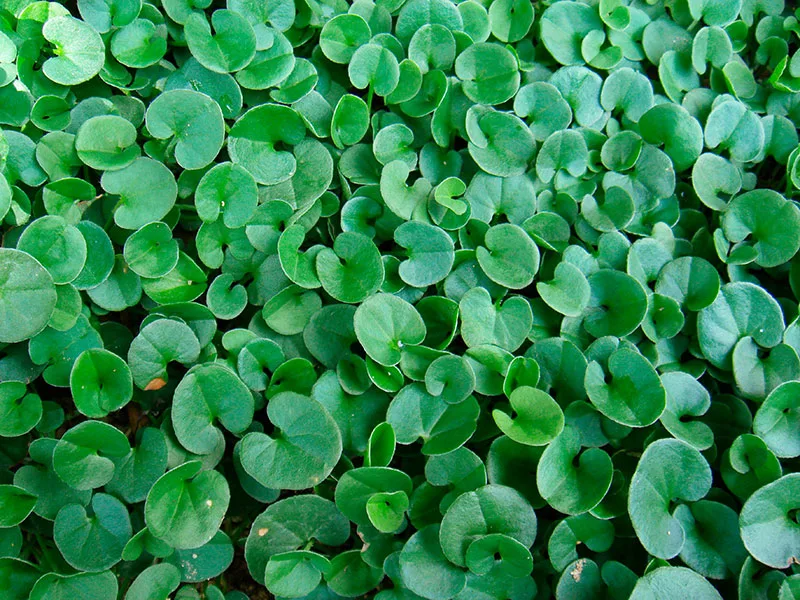
Its small kidney shaped leaves spread across the soil to create a soft green carpet. It is useful beneath trees and around larger shrubs where lawn has waved the white flag.
Kidney Weed is the least drought tolerant plant on this list so it is best for dry shade where you are prepared to provide occasional supplementary water. Long dry periods can leave it looking sparse rather than lush.
It tolerates light foot traffic but it is not a replacement for lawn in a heavily used part of the garden.
6. Silver Spurflower – Coleus argentatus Syn. Plectranthus argentatus
Dry shade can very quickly become a sea of dark green foliage. Silver Spurflower provides a welcome change.
This Australian native has soft silvery foliage that immediately lifts a shaded garden bed. Spikes of pale flowers appear through the warmer months.
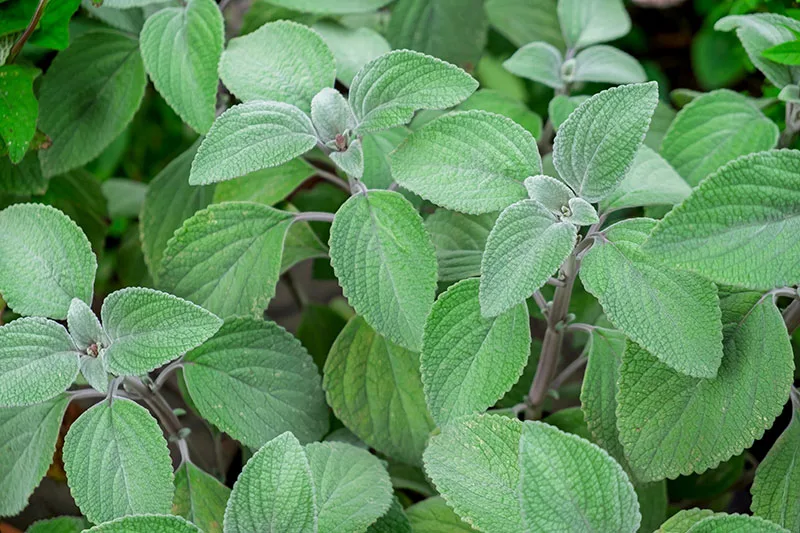
The plant is native to Queensland and north eastern New South Wales and is commonly grown under its former botanical name Plectranthus argentatus.
It performs beautifully beneath trees in cooler climates and established plants tolerate dry conditions well. Interestingly, plants in humid climates may perform better with more sun.
Silver Spurflower can reach around a metre high and spread considerably wider so give it room to do its thing. Frost can damage the foliage in colder districts.
Planting between established tree roots calls for a narrow tool rather than a full sized spade. The Garden Hand Tool Combo Pack in The Curious Gardener shop pairs a hand trowel with a hand fork and both are made in Australia from recycled plastic, making it much easier to tuck new plants into tight spaces without hacking through established roots.
7. Liriope – Liriope muscari
Liriope is one of the most useful plants for dry shade when you need tidy evergreen edging.
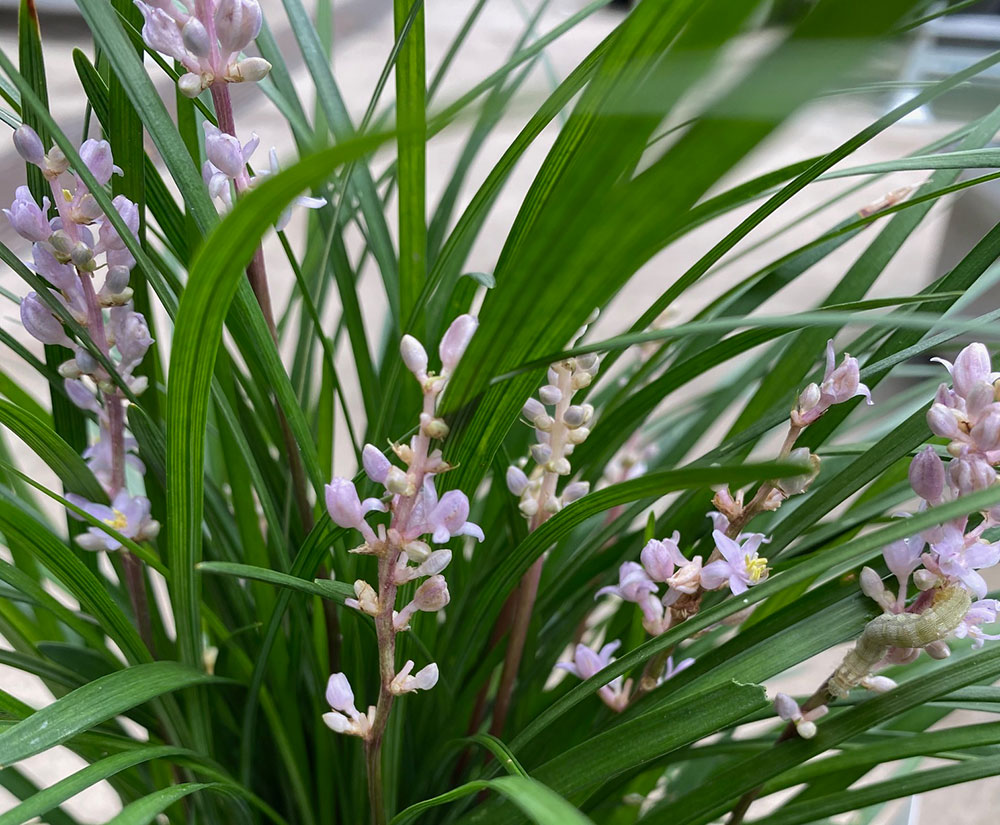
It forms dense clumps of narrow arching leaves with upright flower spikes appearing from late Summer into Autumn. Flowers may be purple, mauve, pink or white depending on the cultivar.
Liriope tolerates shade, periods of drought and a broad range of soil types once established. It is especially useful along shaded paths and beneath trees.
Choose Liriope muscari rather than the spreading Liriope spicata if you want well behaved clumps that stay roughly where you planted them.
8. Hellebore – Helleborus Species
Hellebores bring something that can be surprisingly difficult to find in shade. Flowers.
Often called Winter Roses, these hardy perennials bloom through Winter and early Spring in an impressive range of colours.
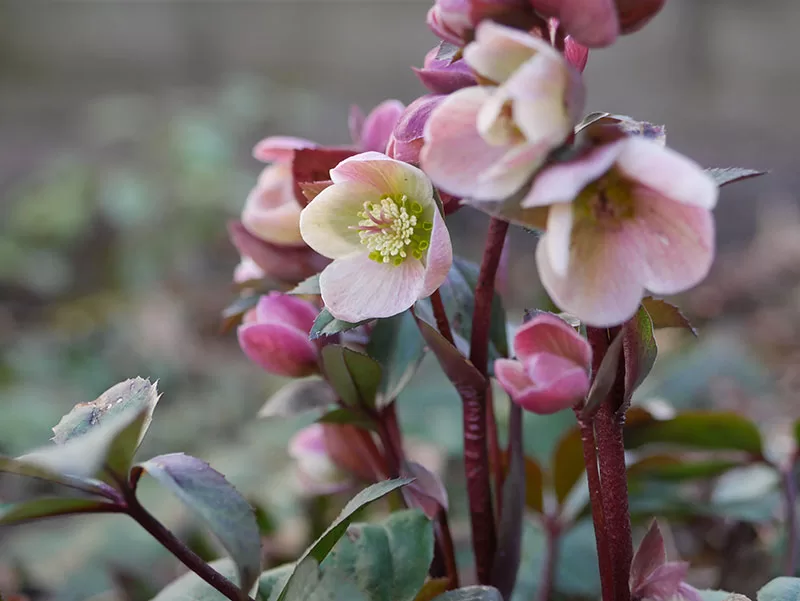
They are particularly beautiful beneath deciduous trees where they receive more light through Winter and greater protection from the sun through Summer.
Established Hellebores tolerate periods of dry weather although new plants need regular watering while they settle in and through their first Summer.
Hellebores are best suited to cool and temperate Australian gardens. They are generally not ideal for hot and humid subtropical climates.
9. Bergenia – Bergenia Species
Bergenia is one of those old fashioned plants that deserves another look.
Its large leathery leaves form substantial clumps and provide wonderful contrast against finer foliage plants. Clusters of pink, white or reddish flowers rise above the leaves from late Winter into Spring.
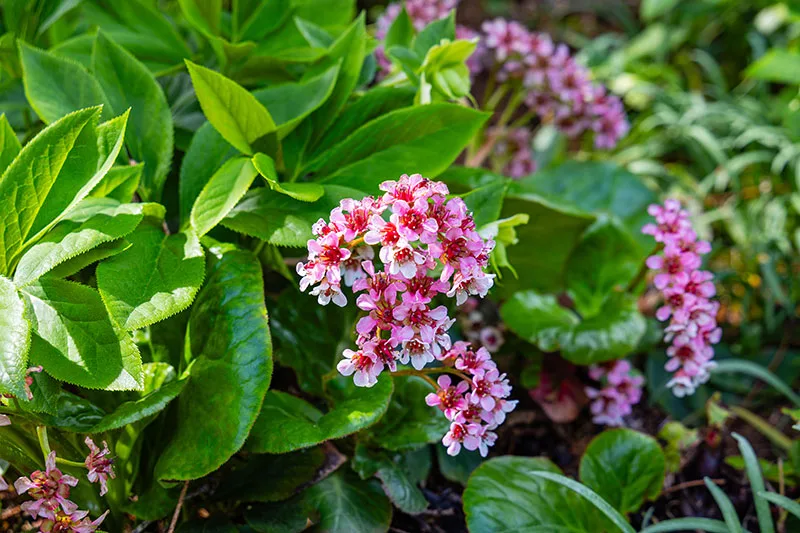
Bergenias tolerate shade and difficult soil conditions remarkably well. Established plants can cope with dry periods although they will look lusher where they receive some moisture.
They are particularly useful beneath established trees in cool and temperate gardens. Bergenias are frost hardy although hot Summer sun can scorch the foliage so a sheltered position is ideal.
10. Native Fuchsia ‘Dusky Bells’ – Correa ‘Dusky Bells’
Dry shade does not have to mean giving up on flowers.
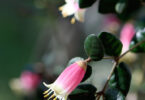
Correa ‘Dusky Bells’ is a beautiful Australian native shrub with dusky pink to red bell shaped flowers that attract Honeyeaters and other nectar feeding birds. Flowering is particularly generous from Autumn through Winter and into Spring.
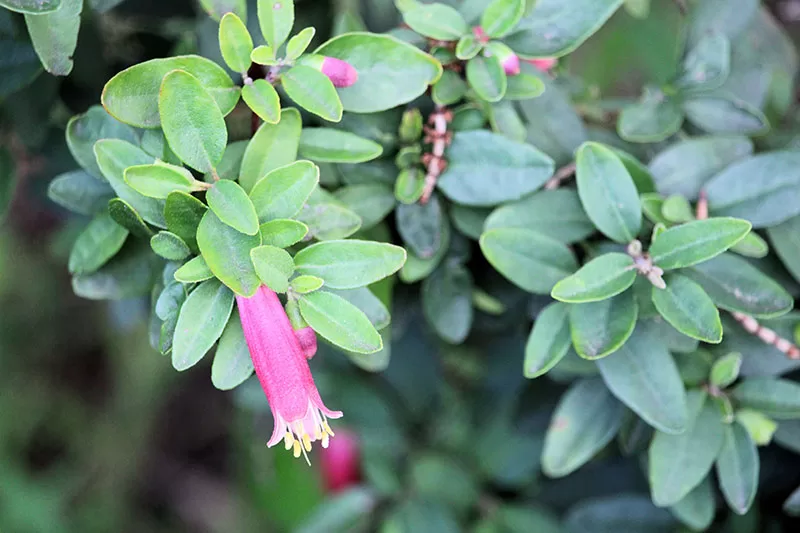
It grows well in sun to half shade and tolerates dry spells once established. For a dry shade garden, position it in light or dappled shade rather than beneath a very dense canopy.
‘Dusky Bells’ forms a low spreading shrub around 50 centimetres to 1 metre high and can spread considerably wider. It responds well to pruning after flowering which encourages fresh growth and helps keep the plant dense and compact.
It is also frost tolerant and suits a broad range of Australian climates, making it a very handy little native for those awkward partly shaded garden beds.
11. Goodenia ‘Gold Cover’ – Goodenia ovata ‘Gold Cover’
Goodenia ovata ‘Gold Cover’ is a spreading Australian native groundcover with lush green foliage and cheerful yellow flowers.
Flowering can continue from Spring right through Summer and Autumn which gives this little plant a very respectable return for the space it occupies.
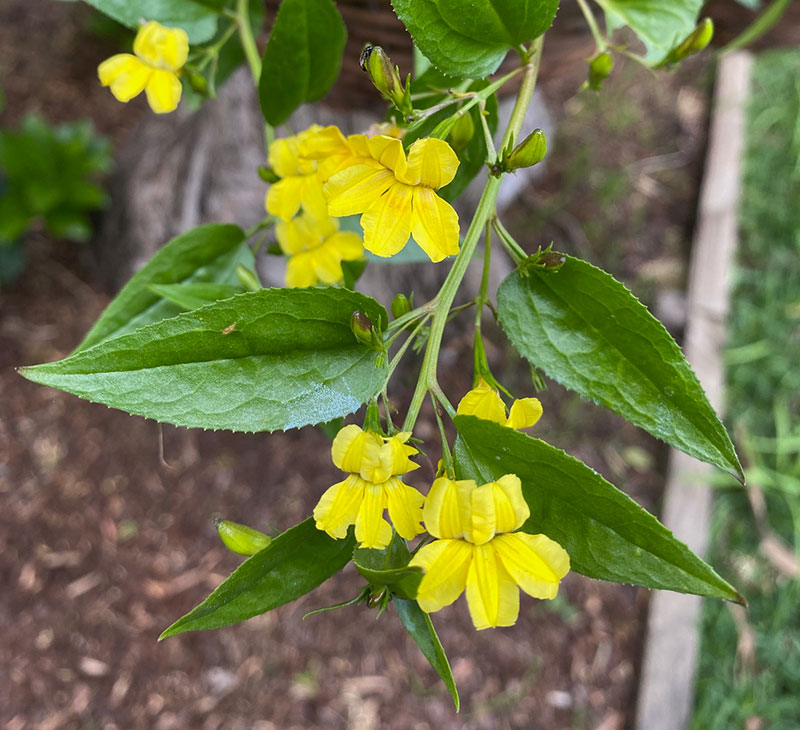
It tolerates drought once established and can handle light frost. It also grows beneath shrubs and trees.
Flowering is best with reasonable light so position Goodenia towards the brighter edge of a shaded garden bed rather than burying it in deep shade.
It grows around 10 to 30 centimetres high and can spread between one and two metres. An occasional trim will encourage dense fresh growth.
12. Japanese Aralia – Fatsia japonica
Fatsia japonica looks far more demanding than it actually is.
Its enormous glossy leaves create a lush almost tropical effect which makes it particularly valuable when you want a shaded space to feel leafy rather than sparse.
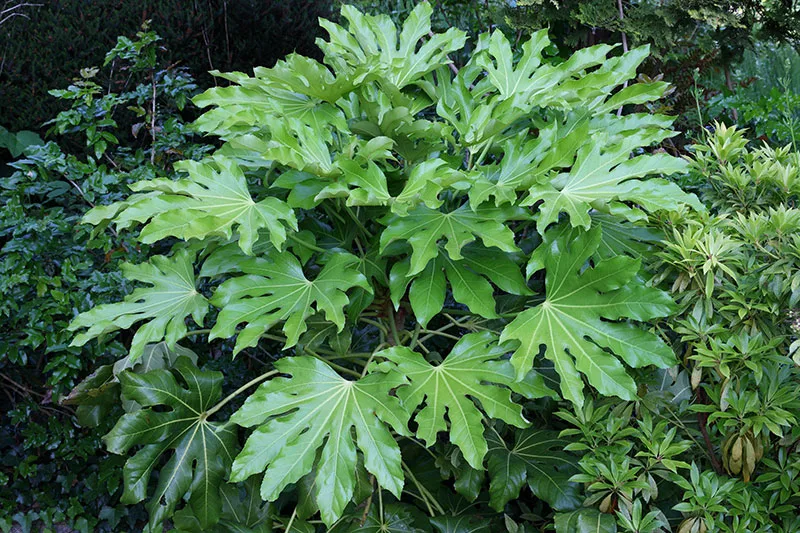
Established plants cope surprisingly well with dry periods in shaded gardens. Japanese Aralia is especially useful in cool and temperate climates beneath trees or beside a sheltered wall.
Protect it from hot afternoon sun and drying wind because the large leaves can scorch.
Fatsia can eventually reach 2 to 3 metres and may spread by suckers so give it sufficient room or keep it contained.
More Australian Natives Worth Considering
The twelve plants above will cover a lot of dry shade situations. There are a few more natives worth keeping up your sleeve if you would prefer to lean further into Australian plants.
Lomandra confertifolia subsp. rubiginosa offers much finer foliage than its larger cousin and suits smaller garden beds. Choose the cultivar carefully and check its preferred light conditions because performance in deeper shade varies.
Rasp Fern is another interesting choice. The plant traditionally known as Doodia aspera is now generally classified as Blechnum neohollandicum. It is one of the tougher native ferns for shady conditions and its new fronds emerge in striking copper to reddish tones.
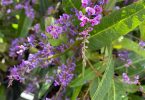
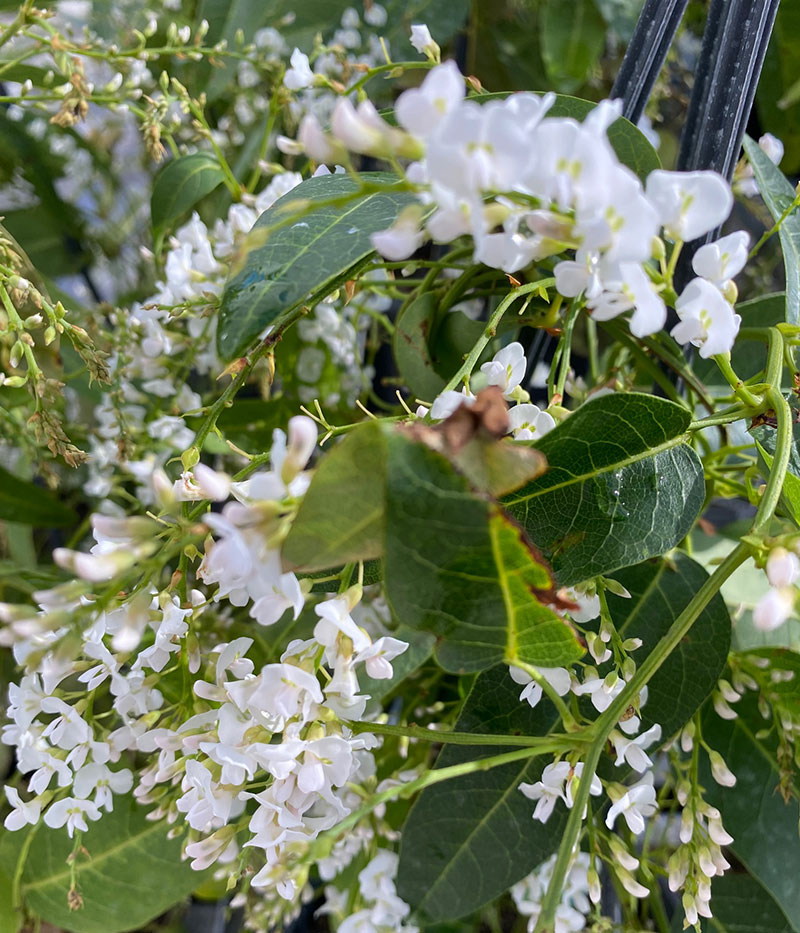
For vertical interest, Hardenbergia violacea can scramble along a lightly shaded fence and produce purple pea flowers from late Winter into Spring.
Cissus antarctica, commonly known as Kangaroo Vine, is another vigorous native climber that handles shaded pergolas and courtyards particularly well.
Give both climbers enough room. Once they are happy they are not renowned for sitting politely in a corner.
What Not To Plant In Dry Shade
Choosing the wrong plant for dry shade can become an expensive exercise in watching it slowly lose the will to live.
Lavender, Rosemary and most Mediterranean herbs need plenty of direct sun. They usually become thin and disappointing in heavily shaded positions.
Roses are similar. They may stay alive in partial shade but flowering is usually poor without enough sunlight.
Most fruiting vegetables are also a poor choice for dry shade because crops such as Tomatoes, Capsicums and Zucchini generally need at least six hours of good sunlight to perform well. Some leafy vegetables tolerate less light although the added lack of moisture in genuine dry shade still makes these positions difficult for productive vegetable growing.
Hydrangeas happily tolerate shade but they prefer consistent moisture. Planting one directly beneath thirsty tree roots without supplementary watering is likely to result in a very unhappy Hydrangea.
Camellias also enjoy sheltered and partly shaded positions but perform best where they have access to reliable soil moisture. Save them for a part of the garden where you can keep them properly watered.
Keep Pets And Children In Mind
It is worth checking plant safety when choosing plants for family gardens.
Clivia can be poisonous if eaten with the bulb like base being particularly problematic. Hellebores are also toxic if ingested.
The bright blue to purple berries produced by Dianella species can look tempting to young children. Australian poison information authorities regard Dianella berries as potentially toxic so they should not be eaten.
Japanese Aralia (Fatsia japonica) is regarded as non toxic to dogs and cats.
None of this means you cannot use these plants. It simply pays to know what is growing in your garden and to position plants thoughtfully if you have small children or pets that like sampling the landscaping.
Dry Shade Plant Comparison Chart
| Plant | Australian Native | Best Shade Level | Mature Size | Main Flowering Season | Climate Notes |
|---|---|---|---|---|---|
| Clivia (Clivia miniata) | No | Dappled To Deep Shade | 40cm To 60cm | Late Winter To Spring | Protect From Frost |
| Cast Iron Plant (Aspidistra elatior) | No | Deep Shade | 60cm To 70cm | Insignificant | Avoid Strong Direct Sun |
| Spiny Headed Mat Rush (Lomandra longifolia) | Yes | Light To Part Shade | 60cm To 1m | Winter To Spring | Suits A Wide Range Of Climates |
| Native Flax Lily (Dianella revoluta) | Yes | Light To Half Shade | 30cm To 1m | Spring To Summer | Suits A Wide Range Of Climates |
| Kidney Weed (Dichondra repens) | Yes | Dappled Shade | 5cm To 10cm | Insignificant | Needs Occasional Water In Dry Periods |
| Silver Spurflower (Coleus argentatus) | Yes | Part To Deep Shade In Cooler Climates | Around 1m High By 1.5m Wide | Summer To Autumn | Frost Tender |
| Liriope (Liriope muscari) | No | Part To Deep Shade | 30cm To 45cm | Late Summer To Autumn | Very Adaptable |
| Hellebore (Helleborus spp.) | No | Part To Full Shade | 30cm To 45cm | Winter To Early Spring | Best In Cool To Temperate Climates |
| Bergenia (Bergenia spp.) | No | Part To Full Shade | 30cm To 45cm | Late Winter To Spring | Best In Cool To Temperate Climates |
| Native Fuchsia ‘Dusky Bells’ (Correa ‘Dusky Bells’) | Yes | Light To Half Shade | 50cm To 1m High, Spreading Wider | Autumn To Spring | Drought And Frost Tolerant Once Established |
| Goodenia ‘Gold Cover’ (Goodenia ovata ‘Gold Cover’) | Yes | Light To Half Shade | 10cm To 30cm High By 1m To 2m Wide | Spring To Autumn | Tolerates Light Frost |
| Japanese Aralia (Fatsia japonica) | No | Part To Full Shade | 2m To 3m | Autumn To Winter | Best In Cool To Temperate Sheltered Gardens |
How To Help Plants For Dry Shade Thrive
Choosing the right plants is only half the job. A little preparation can make a huge difference beneath established trees.
Add compost or well rotted organic matter wherever you can do so without damaging major tree roots.
Water deeply during establishment rather than giving plants frequent shallow sprinkles. Deep watering encourages roots to travel further into the soil and gives plants a much better chance during future dry periods.
Apply mulch to reduce evaporation but keep it clear of trunks and plant crowns.
When planting beneath mature trees, choose smaller specimens that can be tucked between existing roots rather than cutting through major roots to squeeze in a large nursery pot.
Drip irrigation is worth considering beneath wide eaves where natural rainfall rarely reaches the soil.
It also pays to watch how the shade changes throughout the year before committing to a planting plan. A bed that looks gloomy in June may receive surprisingly useful light in December.
One important point is that drought tolerance develops over time. Newly planted Lomandras, Correas and Clivias still need regular water while they establish their root systems. Plan on helping them through their first full Summer.
Making Dry Shade Look Intentional
The best dry shade gardens usually rely on foliage, texture and repetition rather than constant flowers.
Combine the broad leaves of Clivia, Aspidistra or Fatsia with finer foliage from Lomandra, Dianella or Liriope. Add a spreading groundcover such as Dichondra repens or Goodenia to soften the edges.
Silver foliage from Silver Spurflower can be particularly useful for brightening a dark corner.
Repeating a smaller number of reliable plants usually looks far better than squeezing one of everything into a difficult garden bed. Dry shade is challenging enough without turning the whole area into a horticultural audition.
With sensible plant choices and a little patience during establishment, that awkward space beneath a tree or along the side of the house can become one of the most attractive parts of the garden.
FAQs – Plants for Dry Shade in Australia
Some of the best plants for dry shade include Clivia, Cast Iron Plant, Liriope, Lomandra, Dianella and Correa. The best choice depends on whether your garden has deep shade, dappled light or brighter part shade.
Yes, several Australian natives cope very well with dry shade once established. Lomandra, Dianella, Correa, Goodenia and Silver Spurflower are all useful options for difficult shaded spots.
Yes, especially while they are becoming established. Even drought tolerant plants need regular watering at first before they can cope with longer dry periods.
Groundcovers and shade tolerant plants such as Dichondra, Liriope, Clivia and Aspidistra are good alternatives to lawn beneath trees. Choose plants that can handle both low light and competition from tree roots.