Narrow side paths and skinny garden beds are the awkward little leftovers of the garden world. Too narrow for chunky shrubs, too visible to ignore and usually just annoying enough to collect weeds, bins and garden debris like they are running a side hustle in clutter management.

Still, these skinny spaces can be absolute workhorses when planted properly. A narrow bed can soften a harsh fence, make a side path feel lush, add privacy, attract birds and pollinators and stop that long skinny strip from looking like a forgotten service corridor.
The trick with narrow garden beds is simple. Do not try to cram broad, thirsty or floppy plants into a space that clearly wants something slimmer and better behaved. These spaces need plants with manners. Think upright growers, compact shrubs, clumping strappy plants, well-contained groundcovers and climbers that head up instead of barging sideways into the path.
Australian gardens add another layer of chaos, of course. Some side paths are blasted by reflected heat from walls and fences. Others are dark, damp and gloomy for most of the year. Some are so tight you can barely get in there with a trowel and a shred of dignity.
That is why choosing the right plants matters so much. Vertical planting is especially useful in small-space Australian gardens and climbers such as Star Jasmine are commonly recommended for fences and walls because they add greenery without eating up precious ground space.
What Makes A Plant Work In Narrow Garden Beds?
When you are planting a skinny strip, these qualities are gold:
- Upright or naturally narrow growth
- Clumping habits rather than sprawling ones
- Foliage that looks light, not bulky
- Tolerance for dry shade, hot sun or reflected heat
- Easy maintenance and sensible pruning needs
- Flowers, berries or foliage that bring interest without creating a mess
It also pays to think about what is happening underground. Side paths often sit beside house walls, concrete edges and fences that make the soil drier and more competitive. That means you want tough but sensible plants, not thugs with ambitions.
Best Plants For Narrow Side Paths And Skinny Garden Beds
Blue Flax Lily – Dianella revoluta and Compact Dianella Varieties
If there is one plant group that keeps turning up in Australian landscaping for good reason, it is Dianella sp.. Compact forms are brilliant for narrow garden beds because they are clumping, architectural and generally low-fuss.
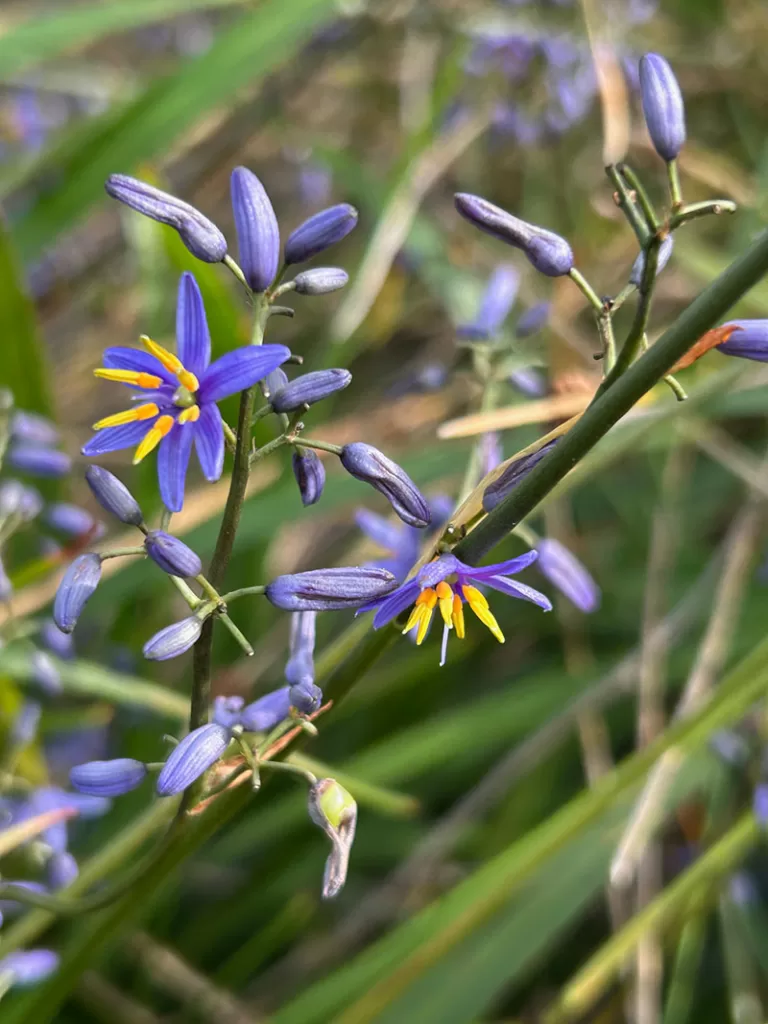
Some forms are especially upright and drought tolerant and many also produce those lovely blue berries that give them extra seasonal interest.
The key here is choosing a compact cultivar, not just grabbing any old Dianella and hoping for the best. Some can get wider and longer in the leaf than you might expect. In a side path, that matters. A lot.
Coastal Rosemary – Westringia fruticosa
Westringia is one of those plants that quietly gets on with the job. It handles coastal conditions, dry spells and regular clipping and the soft grey-green foliage helps brighten narrow spaces that feel boxed in by walls or fences.
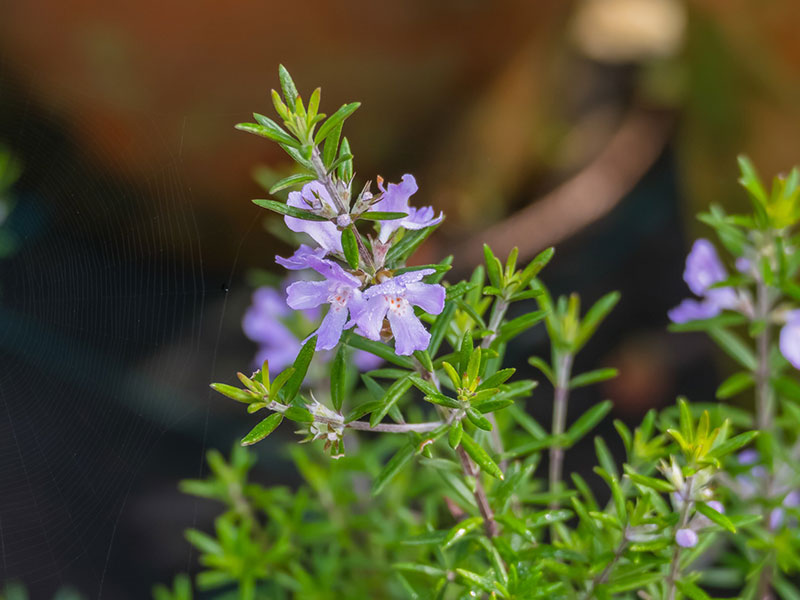
Use compact forms in a repeated line for a tidy look or clip them lightly into a low hedge. Just do not butcher them back into old bare wood and expect a round of applause. Light regular trims are the smarter approach.
Lilly Pilly – Syzygium spp.
If you need privacy in a skinny bed, upright Lilly Pilly varieties can work beautifully. They are lush, evergreen and respond well to clipping which makes them useful where you want a green screen but do not have room for something broad and unruly.
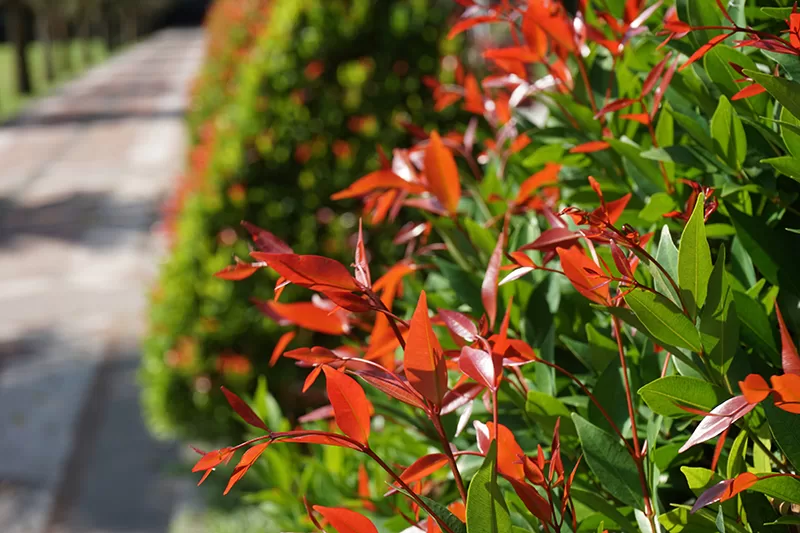
The catch is variety choice. Some Lilly Pillies are absolutely not side-path material unless your side path is secretly a paddock. Stick with compact or narrow-growing forms and start shaping them while they are young.
Star Jasmine – Trachelospermum jasminoides
This is one of the smartest plants for narrow side paths full stop. Give it a fence, wire or trellis and it gives you glossy evergreen foliage, beautifully scented white flowers and a whole lot of softness without swallowing the ground space.
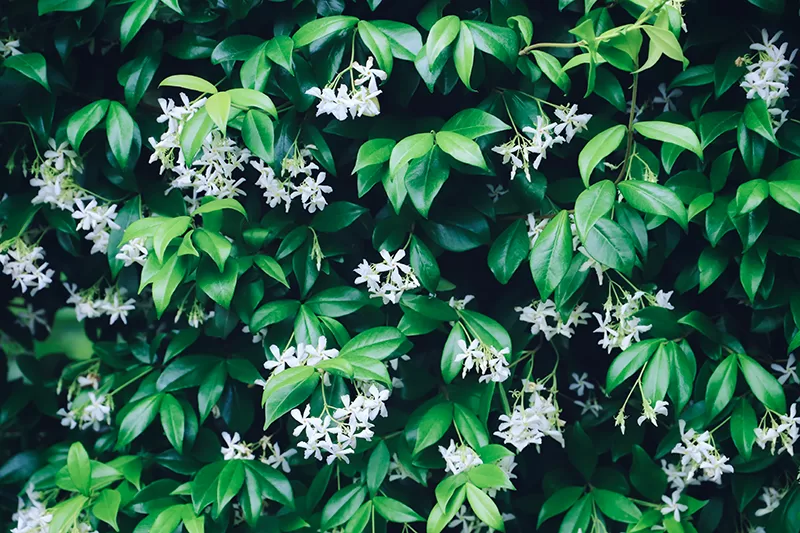
Recommended for walls and fences in small-space gardens with flowering in Spring and repeat flowering in warmer months.
It is a particularly good choice when a narrow bed feels harsh or bare and needs a bit of romance. Not too much romance though. This is still a side path, not a perfume commercial.
Bower Vine – Pandorea jasminoides
If you want a native climber for a fence or trellis, Bower Vine is a beauty. It is far lighter in feel than many climbers and suits warmer parts of Australia especially well. Its flowers bring softness and colour without making the space feel heavy.
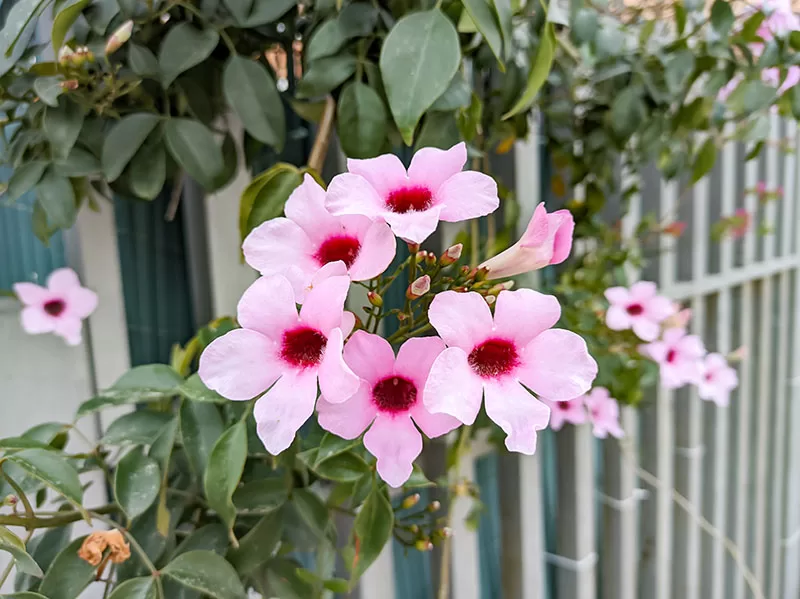
This one is best used where you can give it a little support and a little guidance. Left alone, it can get ambitious. A light trim after flowering keeps it in line and looking fresh.
Lomandra – Compact Lomandra longifolia Cultivars
Lomandra is the practical one. The dependable one. The one that turns up on time and does not create drama. Compact cultivars such as Tanika are popular in Australian landscapes because they handle heat, drought and rough conditions while keeping a neat clumping habit that suits borders and narrow strips.
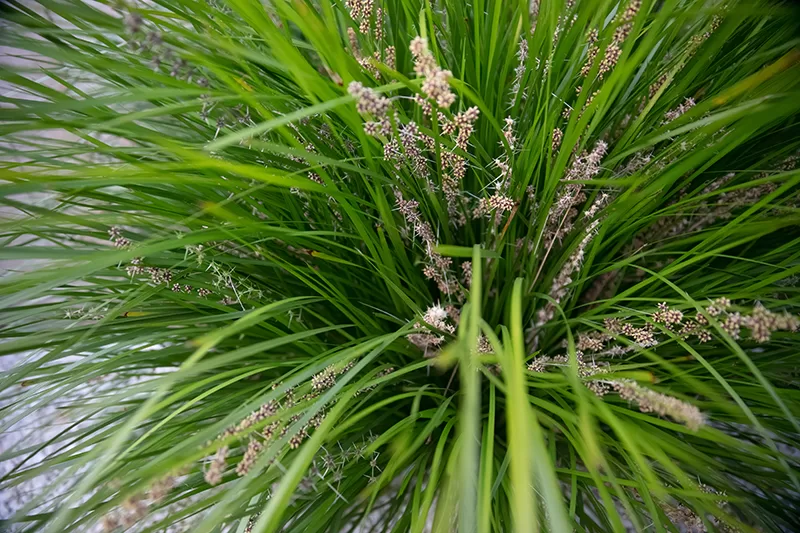
If you have a hot sunny side strip, a new-build block or a garden that needs to look good without constant babysitting, Lomandra is hard to beat. Repeated in a simple run, it looks clean, modern and deliberate.
If you are planting up one of those skinny spots where a full-sized spade feels like overkill, the Garden Hand Tool Combo Pack from the shop is genuinely handy for getting into tight spaces without wrecking nearby plants or your patience.
Common Tussock Grass – Poa labillardieri
For a softer, more natural look, Poa labillardieri is a lovely native option. It forms graceful clumps and moves beautifully in the breeze which helps break up hard lines along walls and fences.
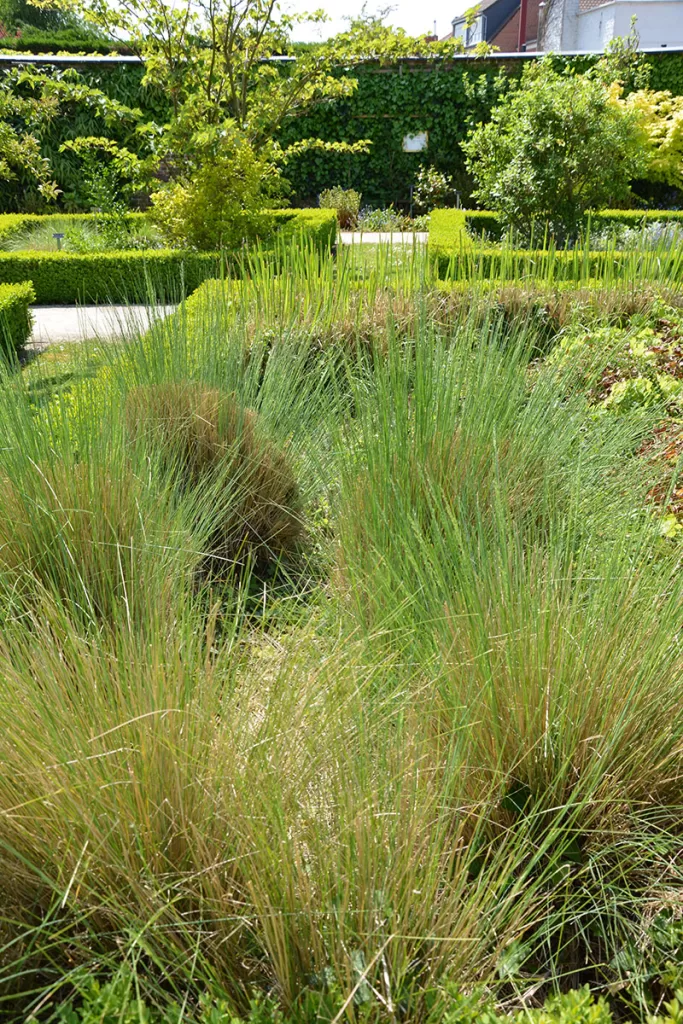
This is better for narrow beds that have a little breathing room though. It is not the best plant for a bed so tight you need to inhale to walk past it. In the right spot it adds softness, wildlife value and a much more relaxed feel than clipped hedging plants.
Fan Flower – Scaevola aemula
For sunny narrow beds that need colour near the front edge, Fan Flower is a terrific choice. Compact forms flower across Spring, Summer and Autumn and spill nicely without becoming a total nuisance.
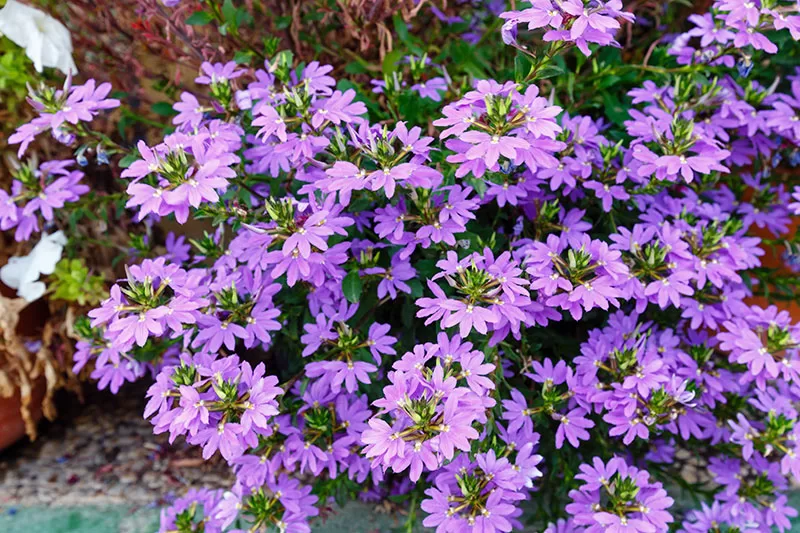
This is a great option for sunny strips near paving where you want long colour and a more relaxed, cottagey feel.
Native Violet – Viola hederacea
For shady or part-shade side paths, Native Violet is one of the nicest softening plants you can use. It creeps gently, fills gaps and adds small mauve and white flowers without taking over the neighbourhood.
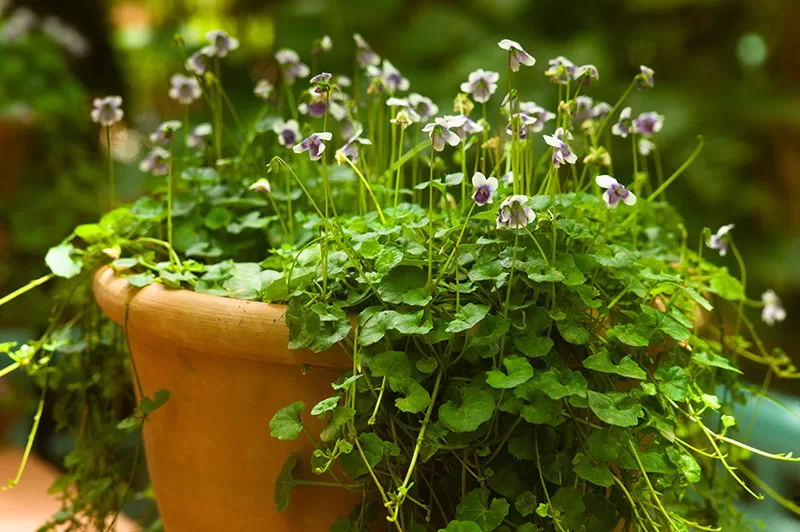
It works beautifully at the front of a bed, beside stepping stones or under taller shrubs where a bare patch would otherwise sit there looking sorry for itself.
Mondo Grass – Ophiopogon japonicus
Mondo Grass is a quiet achiever. It is neat, compact and perfect for a more polished look in tight spaces. Use it as edging, repeat it in a mass planting or mix it with slightly taller clumping plants for contrast.
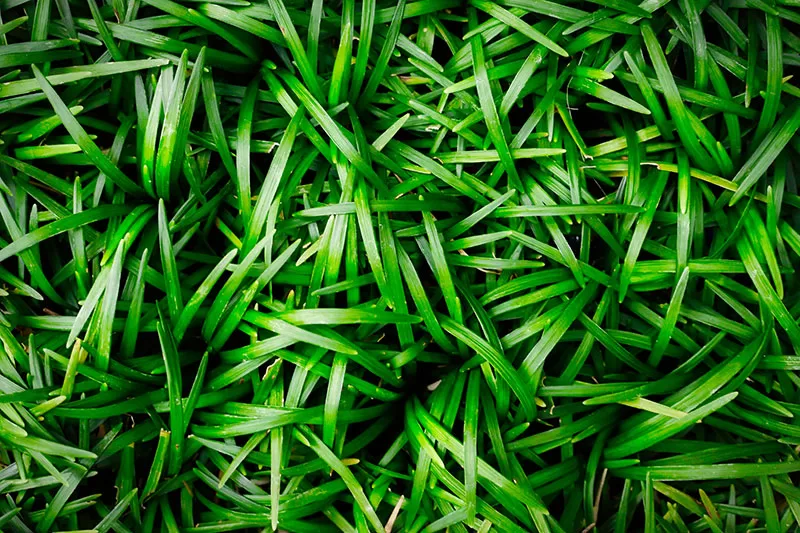
Green forms feel classic and calm. Black Mondo gives a stronger modern contrast. Either way, it is useful in narrow garden beds where restraint is your friend.
Japanese Box – Buxus microphylla var. japonica
For formal gardens or tidy entrances, Japanese Box is still a solid option. It creates crisp definition and can be clipped into a neat low hedge that works well in a skinny border.
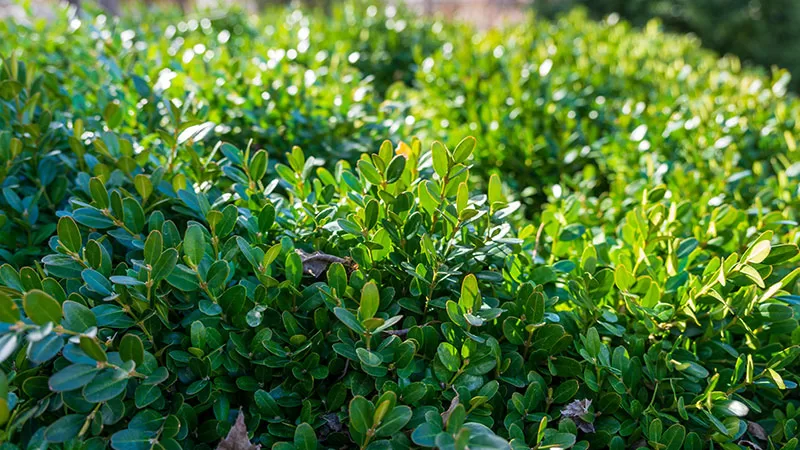
It does come with maintenance though. This is not the plant for people who want order without effort. Japanese Box rewards regular trims. Ignore it for too long and it starts looking like it has gone through something.
Creeping Thyme – Thymus spp.
For a sunny side strip near paving, Creeping Thyme is a charming choice. It softens edges, spills gently over stones and releases fragrance when brushed past. It is especially good in smaller garden beds where every plant has to earn its spot.
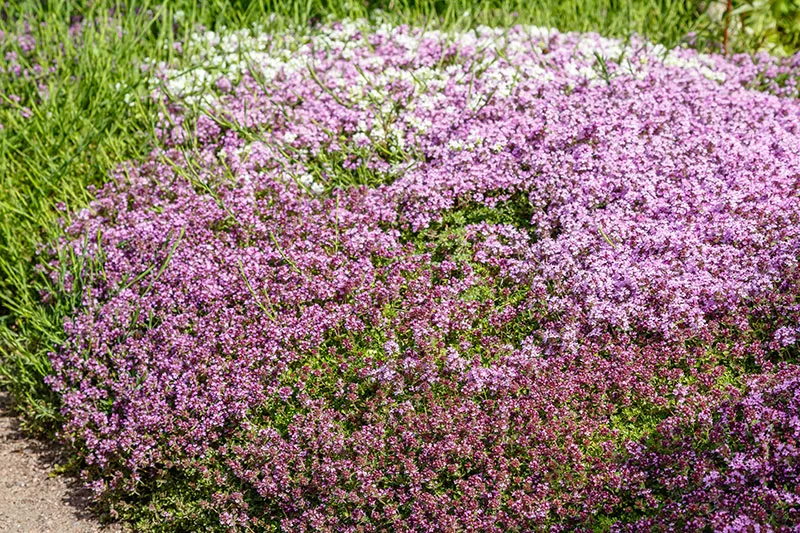
This one suits cottage-style and Mediterranean-style gardens beautifully and can make a skinny strip feel far more intentional.
Correa – Correa spp.
Correas are such a good fit for narrow beds, especially if you choose one of the more compact varieties. They bring soft foliage, sweet little tubular flowers and a welcome burst of colour through Autumn and Winter, right when the garden can start looking a bit tired.
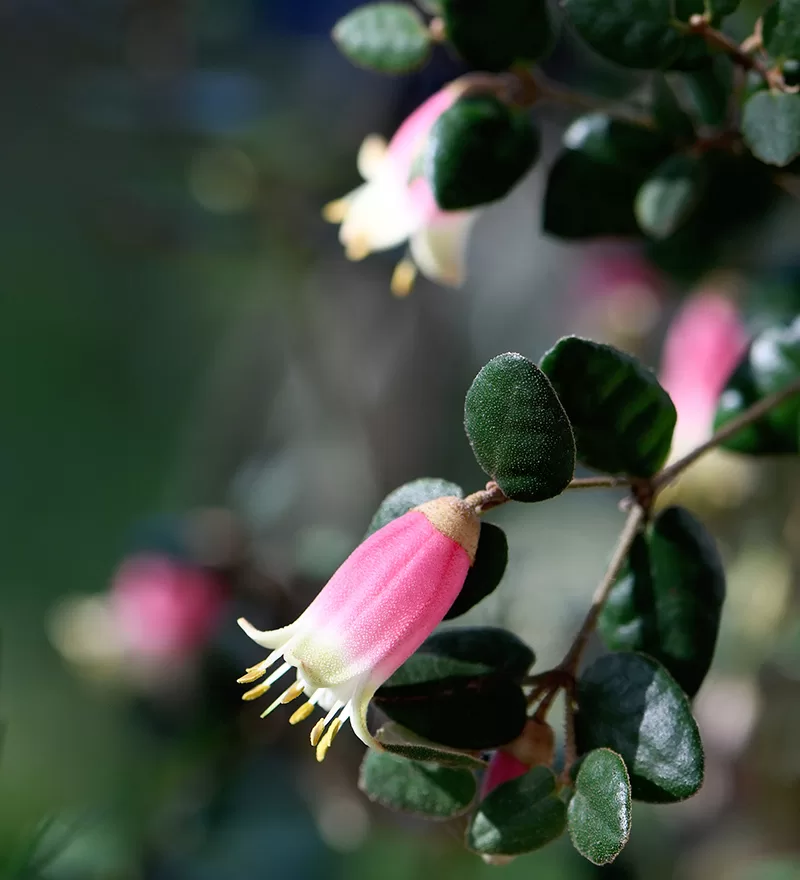
They are also a favourite with small birds, which is always a nice bonus. If you want a native shrub that feels gentle and pretty without turning into a giant space-hog, Correa is a very smart choice.
Compact Tea Tree – Leptospermum spp.
Compact Tea Tree varieties are a good fit when you want a native shrub with fine foliage and a lighter texture. They can work especially well in courtyards and narrow strips where broader shrubs would feel heavy.
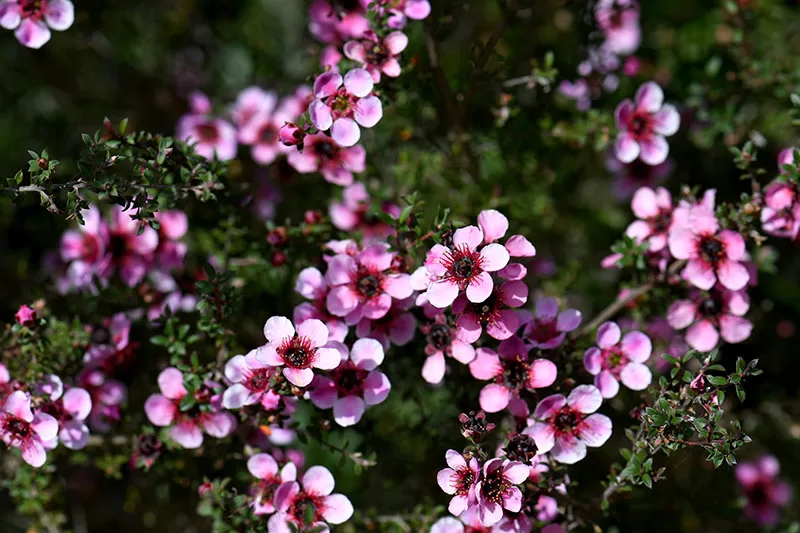
Their finer foliage helps a small space feel airier and less crowded which is exactly what you want in a bed that is already doing its best with limited square metreage.
Herbs For Tight Productive Spaces
Not every narrow bed has to be ornamental. A sunny skinny strip near the kitchen can become a very useful herb bed.

Good options include:
- Thyme
- Chives
- Parsley
- Oregano
- Spring Onions
- Basil in warmer months
- Lemongrass if the bed gets warmth and sun
Lemongrass is especially useful because it has an upright clumping habit, so it suits a narrow bed better than many sprawling edibles. A herb strip like this is practical, attractive and infinitely better than a long sad ribbon of bark.
Mistakes That Can Ruin A Skinny Bed
Narrow beds are less forgiving than big borders, so common mistakes show up fast.
Watch out for:
- Choosing plants based on pot size, not mature size
- Planting too many different things in one small strip
- Ignoring width and only thinking about height
- Forgetting how much heat walls and paving can reflect
- Letting climbers run wild without support or pruning
- Planting broad shrubs right beside paths
That last one always starts with optimism and ends with someone getting slapped in the shoulder by wet foliage while taking the bins out.
How To Make Narrow Garden Beds Look Better
A narrow bed usually looks best when you keep things simple.
Try this:
- Repeat one or two main plants along the length
- Use one climber if there is a fence or wall
- Mix upright shapes with lower soft edging plants
- Mulch well so the space looks finished
- Stick to a restrained colour palette
This is one of those situations where less really does look better. A skinny strip does not need a full plant buffet. It needs a plan.
The Skinny Bits Can Be The Smart Bits
The best thing about narrow garden beds is that they do not need to be big to make a big difference. A slim planting strip can soften hard landscaping, add privacy, create a welcoming side entrance and turn a forgettable space into something genuinely lovely.
With the right plant choices, those awkward leftover areas start pulling their weight. Go for upright, clumping, compact or climb-up-the-fence clever and you will end up with a space that looks polished instead of pinched.
Turns out the weird skinny bits can be some of the best bits after all.
If you feel like adding a little extra goodness to your gardening day, we’ve got a couple of lovely things in the shop worth a look. Our Garden Hand Tool Combo Pack is perfect for pottering about, planting up and tackling those small garden jobs without dragging out half the shed, while our Activated Charcoal And Pumice Gardener’s Soap is a brilliant post-gardening treat when your hands are looking like you’ve been wrestling the soil bare-knuckled. Practical, giftable and Australian made, they’re the kind of garden companions that quietly make life better.
Lomandra and Westringia are both excellent choices for hot, sunny strips as they are drought tolerant, low maintenance and stay relatively compact with the right cultivar selection. Fan Flower (Scaevola aemula) is another great option, adding long-lasting colour through Spring, Summer and Autumn.
Native Violet (Viola hederacea) and Mondo Grass (Ophiopogon japonicus) both perform well in shaded narrow beds, staying low and tidy without needing much attention. Dianella tasmanica is also worth considering as it tolerates shade and cooler, moister conditions better than many other strappy-leafed plants.
Choose plants based on their mature width rather than how they look in the pot, and opt for compact or dwarf cultivars where available. Light, regular pruning from a young age is far more effective than cutting plants back hard once they have already outgrown the space.
Yes, a sunny narrow bed is ideal for compact herbs like Common Thyme (Thymus vulgaris), chives, parsley and oregano, all of which stay reasonably contained and look attractive as well as being useful. Lemongrass (Cymbopogon citratus) also works well in a sunny strip, growing in an upright clumping habit that suits a tight space.