Renting does not mean giving up on having a garden. It simply means your garden needs to be prepared to pack its bags when you do.
With the right pots and plants you can grow herbs, fruit, flowers, vegetables and even a surprisingly impressive collection of Australian natives without putting a spade into the landlord’s garden.
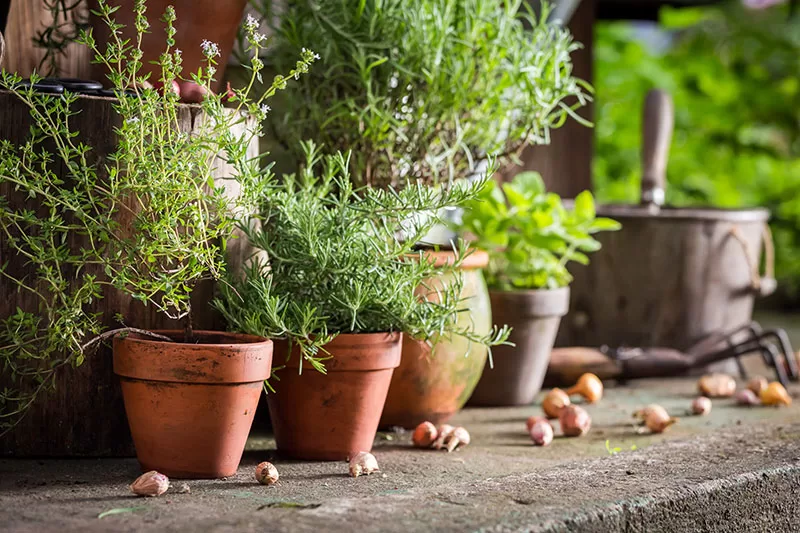
A balcony, courtyard, patio or sunny windowsill can be enough to create a beautiful green space. Better still, most of your garden can come with you when it is time to move.
This guide looks at some of the best plants for a rental garden in Australian conditions as well as the pots, potting mix and moving tricks that make a portable garden much easier to manage.
Table of Contents
- Why Pots Suit Renters So Well
- Can You Garden At A Rental Property?
- Choosing Pots You Can Take With You
- The Best Plants For A Rental Garden
- Rental Garden Plants At A Glance
- Moving Day: Taking Your Garden With You
- The Verdict On Gardening When You Rent
Why Pots Suit Renters So Well
Pots solve one of the biggest problems renters face. You can create a garden without digging up someone else’s lawn, redesigning garden beds or making permanent changes to the property. They can also help protect your bond as long as you are sensible about drainage, water stains and the weight of large containers.
Pots give you another advantage that gardeners with established beds do not have. You can follow the sun.
Rental courtyards and balconies are often shaded for part of the year as the sun changes position. A pot can simply move to a brighter corner. You can also shift tender plants out of fierce Summer afternoon sun or move frost sensitive plants closer to the house during Winter.
For renters who are not quite sure how long they will be staying, container gardening also lets you build a collection gradually without feeling as though you are landscaping someone else’s property. Your garden is yours. Very handy when the next rental listing turns out to have an even better balcony.
Can You Garden At A Rental Property?
Freestanding pots are generally much simpler for renters than making permanent changes to a garden although it is still worth checking your lease and any strata or building rules that apply to balconies and common areas. Planting directly into the ground is different and tenancy rules vary between Australian states and territories.
In New South Wales, planting vegetables, flowers, herbs or shrubs is listed as a minor change that a landlord cannot unreasonably refuse provided existing vegetation does not need to be removed and shrubs will not grow taller than two metres. Depending on the terms of the lease, written permission may still be required before making the change.
In Victoria, creating a Vegetable or Herb garden is among the changes a rental provider cannot refuse without a good reason although renters still need to request permission. Other Australian states and territories have their own tenancy rules so check your current agreement and your state tenancy authority before digging.
Using pots avoids most of those permanent alteration issues which is why every plant in this guide can be successfully grown in a container. One extra consideration for apartment gardeners is weight. A collection of enormous pots filled with wet potting mix becomes surprisingly heavy so check building or strata requirements before turning a balcony into something resembling the Royal Botanic Garden.
Choosing Pots You Can Take With You
A portable garden is only genuinely portable if you can actually lift it. That sounds obvious until moving day arrives and you discover your beautiful glazed pot now weighs roughly the same as a small wombat.
Go Light
Recyled plastic and fibreglass pots weigh much less than terracotta, concrete or heavy glazed ceramic pots. One particularly useful trick is to grow the plant in a lightweight recycled plastic nursery pot and sit that inside a decorative outer pot. When moving day arrives the two can travel separately which makes both much easier to handle.
Just make sure the inner pot can drain properly. If you use a decorative pot without drainage holes, remove the plant for watering and allow it to drain before placing it back.
Size The Pot To The Plant
Bigger pots hold more potting mix which means they generally retain moisture for longer and give roots more room to grow. That can make a huge difference on a hot Australian balcony where small pots may dry out frighteningly quickly.
Many compact Herbs are comfortable in pots around 20 to 25 cm wide although larger Herbs such as Rosemary will appreciate more room as they mature.
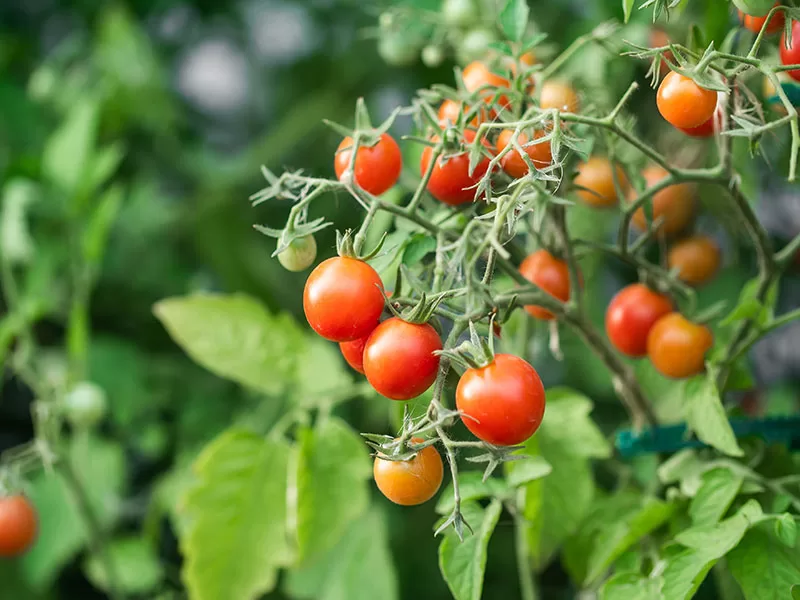
Compact Cherry Tomatoes can be grown in containers around 30 cm across although something closer to 40 cm gives them more root space and makes watering easier.
Small or dwarf Citrus generally perform better in substantial containers of around 40 to 50 litres or approximately 50 cm across depending on the variety.
Aim for the biggest pot that suits the plant while remaining realistic about whether you will ever be able to move it again.
Use Quality Potting Mix
Do not fill containers with ordinary garden soil. It can compact badly in pots which reduces the air around roots and interferes with drainage.
A good quality potting mix is designed to provide a better balance of moisture retention, drainage and aeration. When shopping in Australia, look for mixes carrying the Australian Standards ticks. Premium mixes generally contain added fertiliser and may also contain wetting agents.
Different plants may need specialised mixes. Blueberries, for example, prefer acidic conditions and are well suited to an Azalea and Camellia potting mix.
Many Australian natives are perfectly happy in good quality potting mixes although phosphorus sensitive plants such as Banksias, Grevilleas and other members of the Proteaceae family require a low phosphorus mix. A specialist native potting mix is the safest option for these plants.
Add Wheels
Pot trolleys are worth their weight in gold once your containers become large. They make heavy pots much easier to move when chasing sunlight, cleaning the balcony or preparing for moving day.
Use saucers or drip trays where necessary to protect rented decking and tiles from water or fertiliser stains. Empty standing water regularly rather than letting pots sit permanently in it. Your future self at the final inspection will thank you.
The Best Plants For A Rental Garden
Choosing the best plants for a rental garden is mostly about finding plants that are happy in containers and suit the amount of sun you have available.
Fortunately, that still leaves an enormous number of options.
Herbs
Herbs are one of the easiest wins for renters. They grow quickly, fit comfortably into relatively small spaces and can save you from buying those little supermarket packets that somehow cost more than the plant itself.
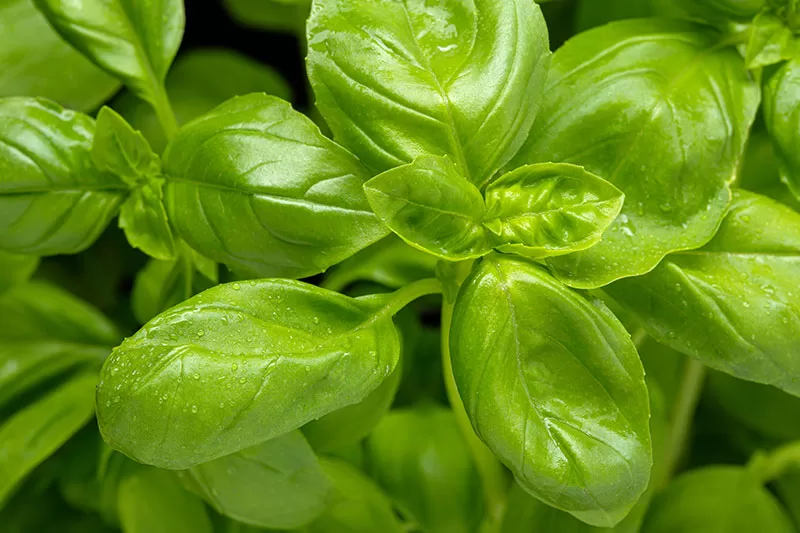
Basil (Ocimum basilicum) loves warmth and sunshine through Spring and Summer. Parsley (Petroselinum crispum) and Chives (Allium schoenoprasum) will tolerate a little less direct sun.
Rosemary (Salvia rosmarinus) and Thyme (Thymus vulgaris) prefer excellent drainage and do not enjoy sitting constantly wet.
Mint (Mentha spp.) deserves a pot all to itself. It spreads enthusiastically through runners and has absolutely no understanding of personal boundaries. Given the opportunity it will wander through neighbouring plants and take over the entire arrangement.
If you are starting from scratch, our Culinary Herbs Seed Kit is an easy way to begin growing a collection of edible plants in pots on a sunny balcony, courtyard or windowsill.
Vegies And Fruit
You do not need a vegetable patch to grow food.
Cherry Tomatoes (Solanum lycopersicum) perform beautifully in containers. Compact or bush varieties are particularly handy for renters. Give them a sunny position, consistent watering and some support as they grow. A 30 cm pot can work for very compact varieties although around 40 cm gives the roots more breathing room.
Chillies (Capsicum annuum) are another brilliant container crop. They are productive and ornamental enough to earn their place among flowering pots.
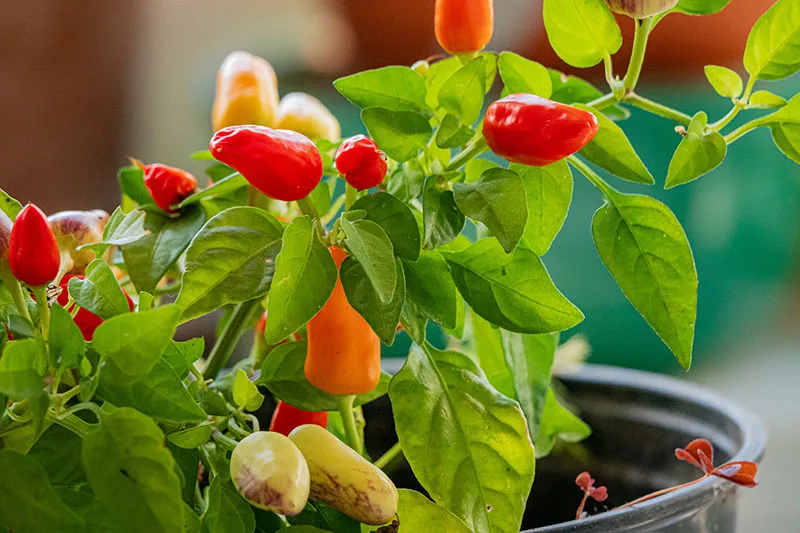
Loose Leaf Lettuce (Lactuca sativa) grows happily in troughs or wider shallow containers. Harvest the outside leaves regularly and leave the centre growing for another crop.
Strawberries (Fragaria × ananassa) are excellent for hanging baskets, troughs and pots. Keeping fruit above ground can also help improve airflow and reduce contact with some crawling pests.
Blueberries (Vaccinium spp.) are particularly well suited to containers because you can control the acidic growing conditions they prefer. Choose a large pot and use a potting mix formulated for acid loving plants such as Azaleas and Camellias. Choose a Blueberry variety suited to your local climate as different cultivars have different chill requirements. Some are self fertile although planting compatible cultivars together can improve cropping.
Dwarf Citrus
A potted Lemon tree is almost the unofficial mascot of the rental garden and for good reason. Dwarf Citrus can provide evergreen foliage, fragrant flowers and fruit without requiring a permanent garden bed.
Citrus grafted onto a dwarfing rootstock such as ‘Flying Dragon’ can remain more compact than trees grown on more vigorous rootstocks. Dwarfing rootstock is useful although it is not essential for container growing because the pot itself also restricts the eventual size of the tree.
Meyer Lemon (Citrus × meyeri), Tahitian Lime (Citrus × latifolia) and Cumquat (Citrus japonica) can all perform well in containers.
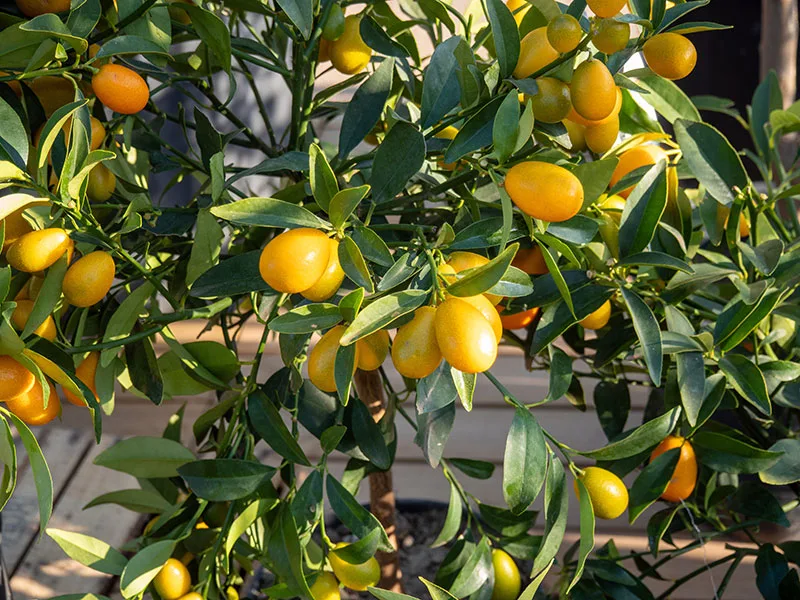
For smaller Citrus choose a substantial pot with plenty of drainage. Around 40 to 50 litres is a useful starting point for genuinely compact varieties with larger trees requiring considerably more space. Citrus need plenty of sunshine. Aim for around six hours of direct sun where possible.
They are also hungry plants. Use a suitable Citrus fertiliser or slow release fertiliser according to the label and provide additional feeding during active growth if required. Regular lighter feeding can work well for potted Citrus although the correct frequency depends on the product you are using.
Australian Natives
There is absolutely no reason a portable garden cannot have a distinctly Australian feel. Plenty of natives grow beautifully in containers and many are quite forgiving once established.
Kangaroo Paws (Anigozanthos spp.) add dramatic upright flowers and provide nectar for visiting birds. Compact cultivars are particularly useful for pots.
Coastal Rosemary (Westringia fruticosa) handles exposed conditions including wind and salt and can be clipped into a tidy shape.
Native Fuchsia (Correa spp.) is another excellent container shrub. Depending on the cultivar, flowering can extend through Autumn and Winter and the tubular blooms are particularly welcome when many other plants are taking things a little easier.
Fan Flower (Scaevola aemula) spills beautifully over pot edges and hanging baskets while Swan River Daisy (Brachyscome spp.) forms soft mounds of daisy like flowers.
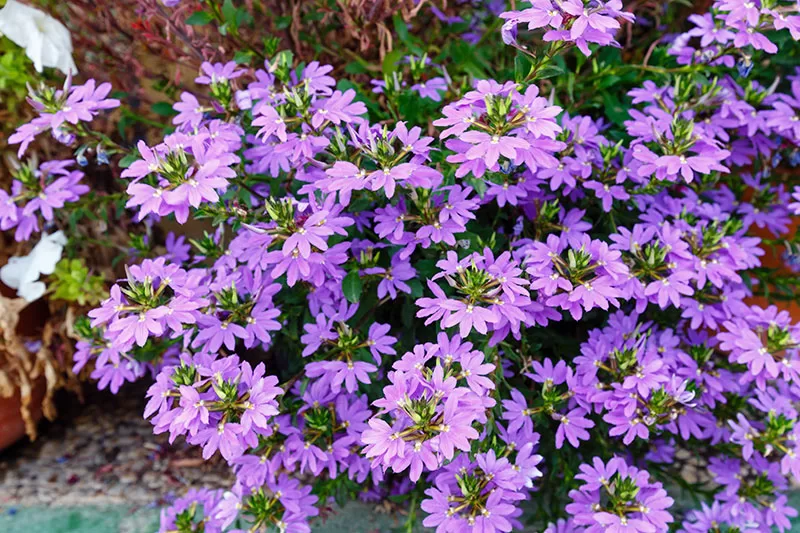
Lomandra (Lomandra longifolia) and Flax Lily (Dianella spp.) are famously tough and are worth considering for exposed balconies. Compact cultivars are generally easier to manage in containers.
You can even create a potted bushfood garden. Warrigal Greens (Tetragonia tetragonioides) grow quickly and can spread through a wide container. The leaves contain oxalic acid so they should be blanched before eating and the blanching water discarded. Once prepared correctly they can be used much like Spinach.
Lemon Myrtle (Backhousia citriodora) can also be grown in a substantial container for years if it is regularly pruned and fed. Its wonderfully fragrant leaves can be used in cooking and to make tea.
Choose a potting mix suited to the particular native you are growing. Phosphorus sensitive natives should be given a low phosphorus native fertiliser rather than a standard high phosphorus garden feed.
Flowers For Colour
A rental garden does not need to be purely practical.
Pelargoniums (Pelargonium spp.) cope well with containers and can flower for long periods particularly in mild climates. They also forgive the occasional missed watering which is useful for gardeners whose watering schedule sometimes depends on whether they remembered to look outside.
Nasturtiums (Tropaeolum majus) are ridiculously easy to grow from seed and tumble beautifully from pots. Both the flowers and leaves are edible.
Petunias (Petunia hybrids) are perfect for hanging baskets and containers and provide loads of colour through Spring and Summer.
Seasonal flowers are also useful in rental gardens because you can change them whenever you feel like giving the balcony a quick makeover.
Succulents
Succulents are some of the easiest plants to move from one rental to another.
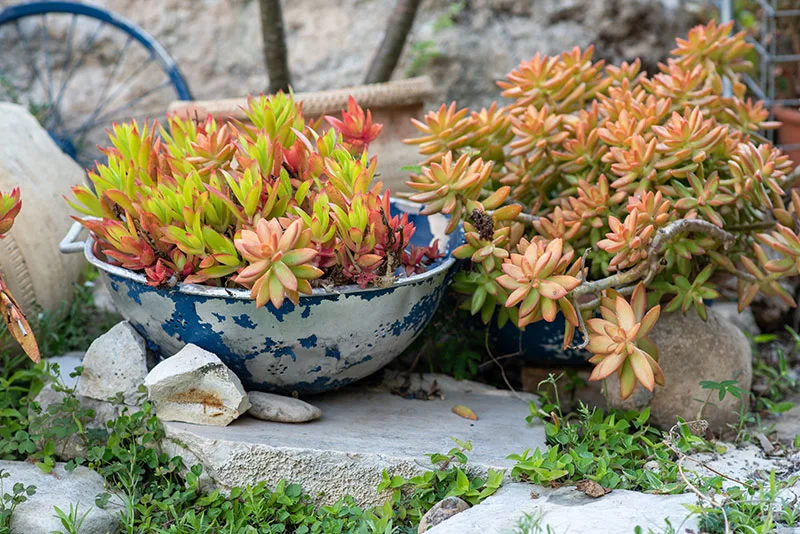
Jade (Crassula ovata), Echeveria (Echeveria spp.) and Aloes (Aloe spp.) generally cope well with heat and periods between watering as long as they have excellent drainage. A shallow bowl filled with smaller Succulents can create plenty of impact without becoming too difficult to carry.
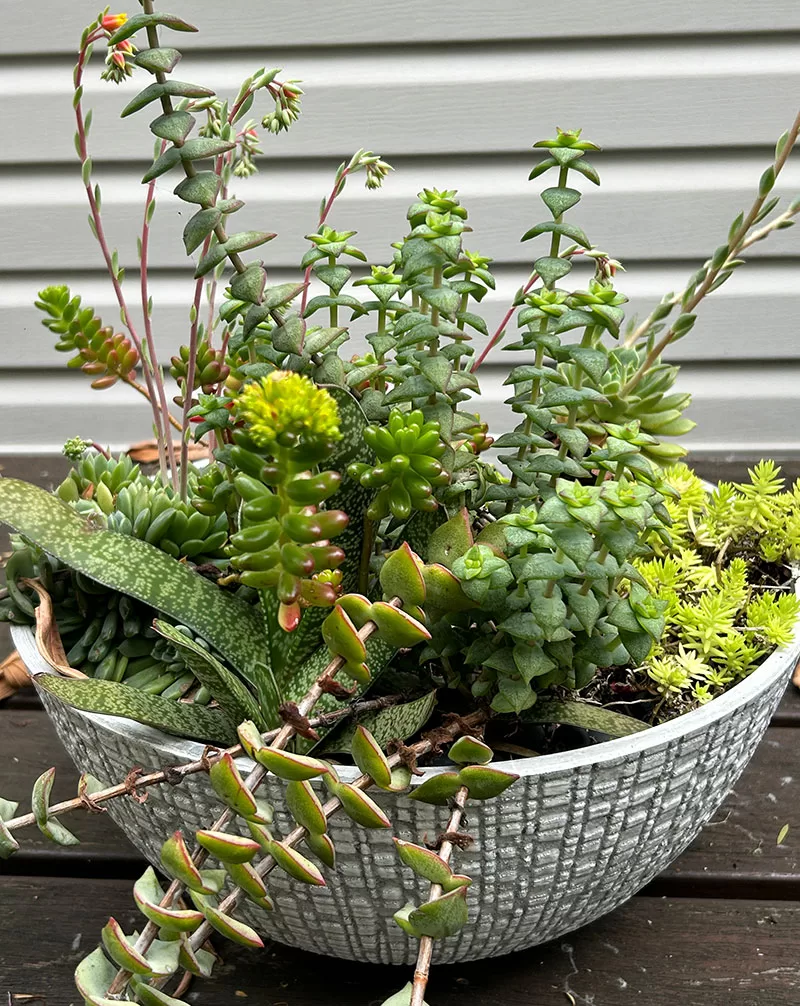
A shallow Succulent bowl is also a great way to create a portable mini garden without taking up much space. If you fancy making one yourself, have a look at our guide to How To Create A Mixed Succulent Bowl for simple planting and design tips.
Jade and many Echeverias are also easily propagated from cuttings or leaves while many Aloes produce offsets that can be separated and repotted. If one enormous Succulent collection somehow becomes twenty smaller Succulent collections, that is simply gardening mathematics.
Indoor Plants
Not every rental comes with a courtyard or balcony and that does not mean you have to miss out.
Peace Lily (Spathiphyllum spp.), Devil’s Ivy (Epipremnum aureum), Cast Iron Plant (Aspidistra elatior) and ZZ Plant (Zamioculcas zamiifolia) can all tolerate lower light levels than many other indoor plants. Low light does not mean no light. Every plant still needs light to photosynthesise and most will grow better when given appropriate bright indirect light.
Cast Iron Plant and ZZ Plant are particularly forgiving if watering occasionally slips your mind. Peace Lily prefers more consistent moisture although it will certainly let you know when it is thirsty by dramatically collapsing like it has been abandoned for weeks.
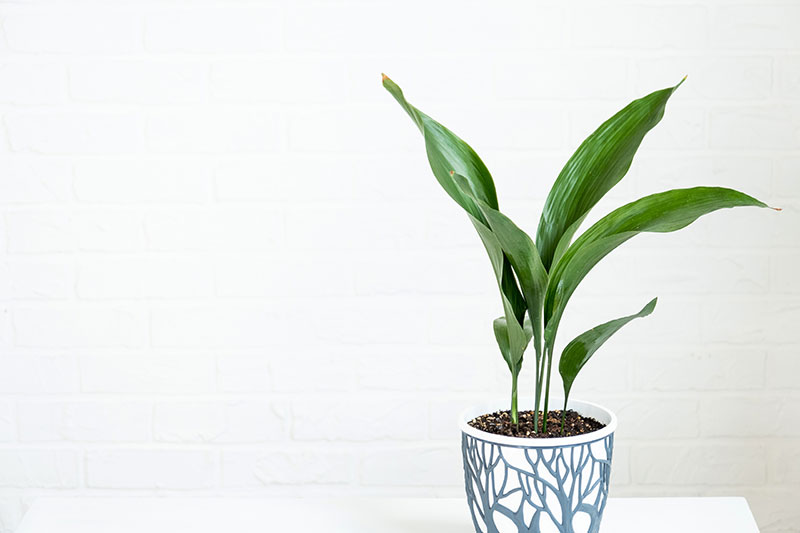
Devil’s Ivy is extremely easy to propagate and grow although it can become an environmental weed in some parts of Australia. Keep it contained and never dump unwanted cuttings into bushland or garden areas. Indoor plants are also one of the quickest ways to make an unfamiliar rental feel like home.
Rental Garden Plants At A Glance
Use this quick comparison to match plants to the conditions you have available.
| Plant | Best Position | Suggested Container | Why It Works For Renters |
|---|---|---|---|
| Basil, Parsley And Chives | Sun to part sun | 20 to 25 cm or larger | Compact, productive and easy to move |
| Rosemary And Thyme | Full sun | Medium pot with excellent drainage | Hardy and reasonably drought tolerant once established |
| Cherry Tomatoes And Chillies | Full sun | Around 40 cm for Tomatoes | High food production from a small space |
| Strawberries | Sun | Pots, troughs or hanging baskets | Small, productive and easy to position |
| Blueberries | Sun with protection from extreme afternoon heat | Large pot with acidic mix | Pots make their special soil requirements easy to manage |
| Dwarf Citrus | Full sun | Around 40 to 50 litres or larger | Evergreen, productive and long lived |
| Kangaroo Paws And Correas | Sun to part sun depending on cultivar | Medium to large pots | Colourful Australian natives that support wildlife |
| Westringia, Lomandra And Dianella | Sun to part sun | Medium to large pots | Excellent choices for exposed conditions |
| Pelargoniums And Petunias | Sunny position | Pots or hanging baskets | Easy colour without permanent planting |
| Succulents | Bright light to sun depending on species | Small pots or shallow bowls | Portable and generally low maintenance |
| Indoor Plants | Low to bright indirect light depending on species | Small to medium indoor pots | Ideal when there is no outdoor space |
Moving Day: Taking Your Garden With You
Moving house is stressful enough without discovering that your lovingly grown Lemon tree refuses to fit through the gate. A little preparation makes moving a container garden much easier.
Water plants well around a day before the move rather than soaking them immediately before loading. This keeps plants hydrated without making every pot unnecessarily heavy and dripping wet. During very hot weather you may need to adjust this according to the plant and conditions.
Load plants onto the truck last where possible and unload them first. This reduces the amount of time they spend sitting in a dark, hot moving van. Small pots can be packed upright into sturdy crates or boxes with scrunched newspaper or other packing material between them to stop them tipping over.
Take cuttings from favourite Herbs, shrubs and Succulents several weeks before you move. This gives you a backup if a larger plant is damaged in transit. Depending on the plant you can root the cuttings beforehand or transport fresh cuttings with their cut ends wrapped in damp paper.
Clumping plants such as Lomandra can also be divided if the original container has become too large and heavy. Do this well ahead of moving day where possible so the divisions have time to recover.
If you are moving interstate or through a quarantine zone, check Australian interstate biosecurity restrictions before loading your plants. Potted plants, soil and some plant material cannot always be moved freely between states and territories.
Before handing the keys back, remove saucers and pots then sweep up fallen leaves and clean any water, fertiliser or pot stains from balconies, paving and tiles. A tidy outdoor space makes the final inspection considerably less exciting and that is exactly how we like final inspections.
The Verdict On Gardening When You Rent
Renting is no reason to put gardening on hold until some mythical future date when you finally have the perfect backyard. Start with a few Herbs. Add a tough Australian native. Grow Lettuce in a trough or Strawberries in a hanging basket. Once you understand where the sun falls through the year, perhaps graduate to a beautiful potted Citrus tree.
One of the best things about choosing plants for a rental garden is that your garden develops with you. Pots can move to find better sunlight, travel to the next house and be rearranged whenever you feel like changing things.
A rental garden may technically be temporary. Your collection of plants most definitely does not have to be.
FAQs – Best Plants For A Rental Garden
Herbs, cherry tomatoes, strawberries and dwarf citrus are the easiest edible picks. Kangaroo paws, coastal rosemary and correas are tough natives that thrive in pots. All of them can move with you when your lease ends.
It depends on your state and your lease. In New South Wales and Victoria a landlord cannot unreasonably refuse a vegetable or herb garden, although you still need to ask first. Pots avoid the question altogether.
Kangaroo Paws, Coastal Rosemary, Correas, Fan Flowers and Lomandras all do well in containers. Use a native potting mix and a low-phosphorus fertiliser. Dwarf cultivars give the best results in smaller pots.
Choose a pot at least 40cm across with good depth. Make sure the tree is grafted onto a dwarfing rootstock. Give it six or more hours of sun each day.