Let’s be honest. Gardening is full of little humbling moments. You buy a plant with complete confidence, bring it home like a proud plant parent and then realise you have absolutely no idea how to say its name out loud.
If that sounds familiar, welcome. You are among friends.
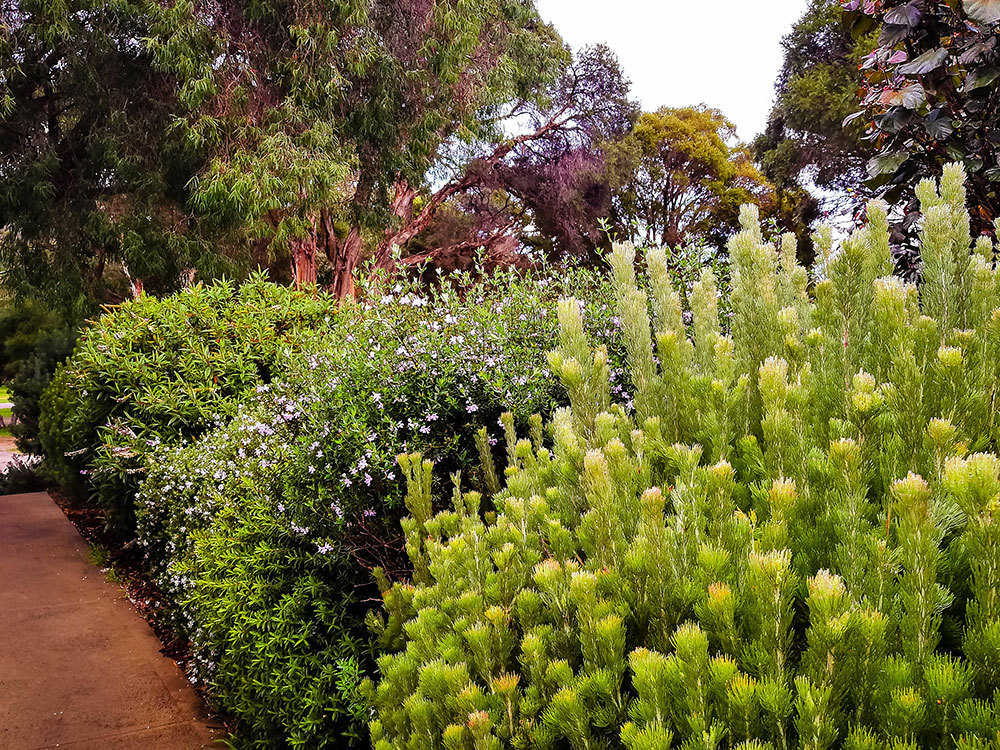
Plant names have been confusing gardeners forever. Some are named after people. Some come from Latin or Greek. Some look like they should sound one way and then come out completely differently. Then there are the ones you have only ever read on a label, which means you have probably been saying them wrong in your head for years. No judgement here. Most of us have done it.
The good news is that this is not a test and there is rarely a pronunciation police officer hiding behind the Hydrangeas waiting to shame you. In many cases, there is more than one accepted way of saying botanical names anyway.
That is partly because botanical Latin was built as a written naming system, not as one perfectly standardised spoken language. So this post is not about being perfect. It is about having a bit of fun with the plant names that regularly tie gardeners in knots.
Why Are Plant Names So Hard To Say?
Plant names are a glorious mess. They are drawn from Latin, Greek, surnames, old botanical naming traditions and the occasional word that looks like somebody dropped a handful of letters on the page and called it done.
That is why one gardener says a plant name one way and another says it completely differently and both carry on as if nothing happened.
A lot of us also learn plant names by reading them first rather than hearing them. You see the label, invent a pronunciation in your head and that becomes the official version in your household. Then one day someone at the garden centre says it out loud and you realise your brain has been freelancing. Rude, really.
The Usual Pronunciation Troublemakers
Clivia
This one has caused many a quiet gardening debate. Some people say CLIV-ee-uh while others say CLY-vee-uh. If you have been switching between the two depending on who you are talking to, you are not alone.
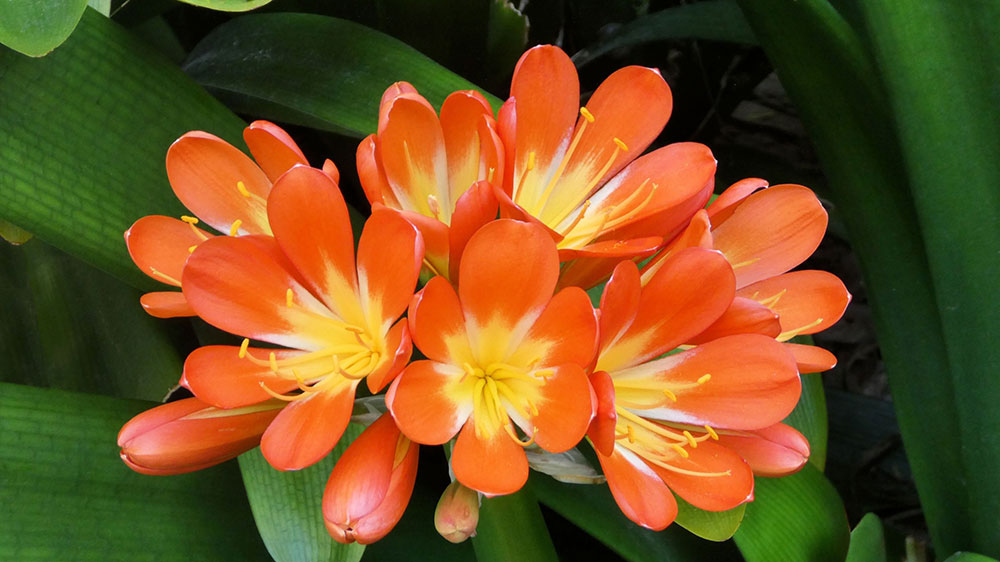
This is one of those plant names where the argument is almost as famous as the plant. On Gardening Australia, both Prue Socha and Angus Stewart linked the pronunciation to Lady Charlotte Clive, which is why plenty of gardeners favour the long “I” sound. Still, you will absolutely hear other versions out in the wild. So yes, you may have been saying it “wrong”, but so has half the gardening world.
Bougainvillea
This one is a genuine tongue twister. It is beautiful, dramatic, viciously thorny and very easy to pronounce in a way that sounds like you have given up halfway through.
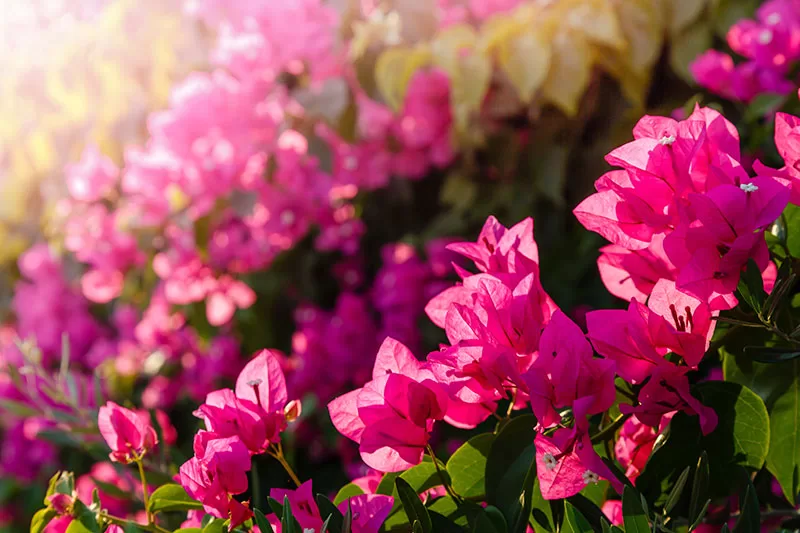
The widely accepted English pronunciation is closer to boo-guhn-VIL-ee-uh. The name comes from French explorer Louis Antoine de Bougainville, so at least there is a good historical excuse for the chaos. Not “bogan-villia”, which sounds less like a plant and more like a suburb with strong opinions.
Fuchsia
Fuchsia is the classic trap. It is also the plant name that proves spelling and pronunciation are sometimes barely on speaking terms.
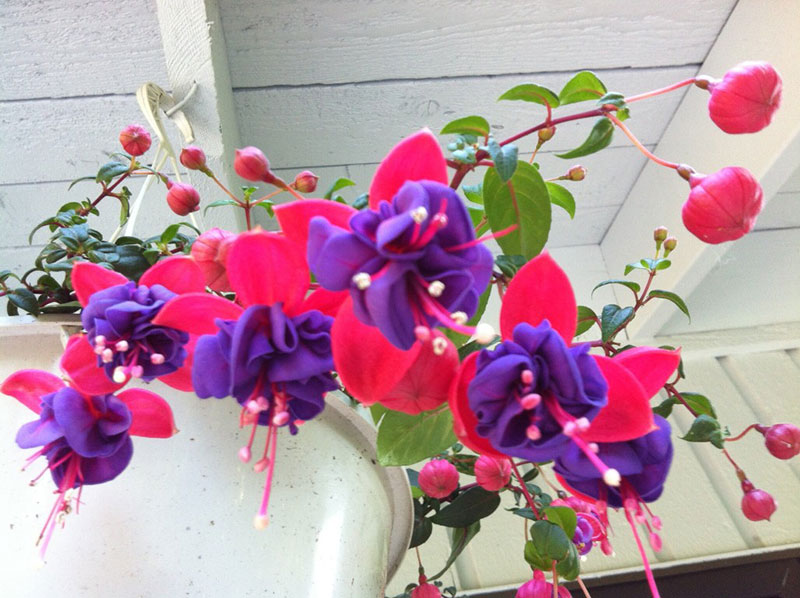
A lot of people pronounce every visible letter and end up with something like “fook-see-ah”. The usual English pronunciation is FYOO-shuh. The genus was named after the 16th century botanist Leonhard Fuchs, which explains why the spelling and pronunciation feel like they are in an argument. The whole thing is a set-up, frankly.
Liriope
Poor Liriope. This plant has been verbally assaulted in car parks, nurseries and council plantings for years.
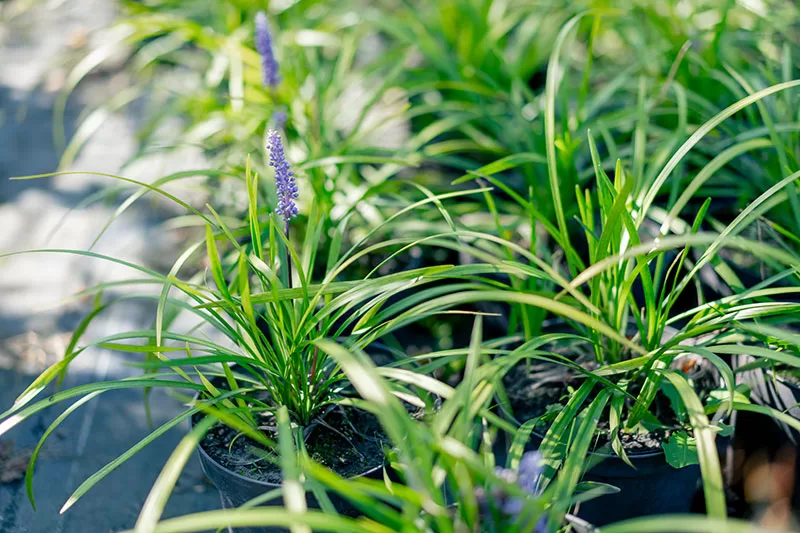
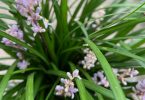
You will hear all sorts of versions, including LIR-ee-oh-puh, LIR-ee-oh-pee and li-RYE-oh-pee. Most gardeners have a go and hope for the best, which is fair enough. It is not exactly a name that rolls off the tongue like Rose or Daisy. Liriope is one of those plants you can grow successfully for ten years and still hesitate before saying it aloud.
Echeveria
Succulent lovers know this one well. Echeveria often gets pronounced with a hard start and a slightly panicked ending. A common way to say it is etch-uh-VEER-ee-uh.
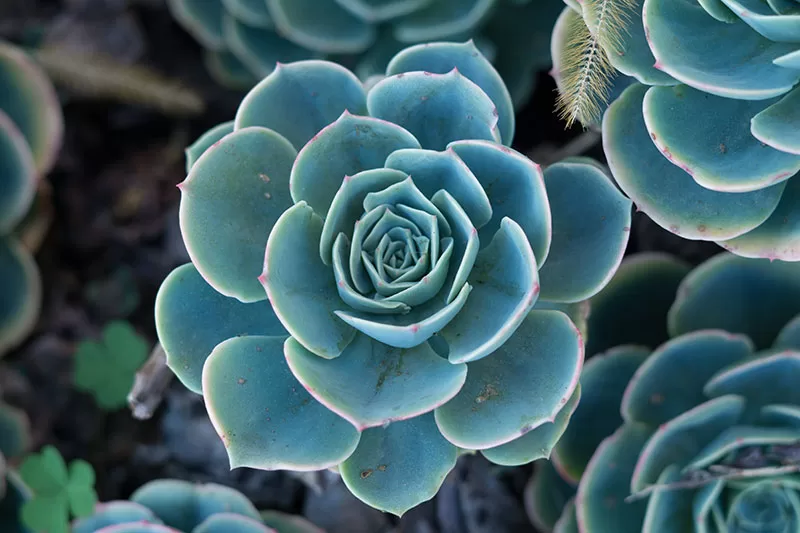
This is one of those names that looks like it should be easy once you break it down, but somehow still comes out differently every single time. That is part of its charm, right up until you are trying to recommend it to somebody and want to sound like you know what you are doing.
Grevillea
You would think Australians would all be on the same page with Grevillea by now. That would be lovely. It is not quite the case.
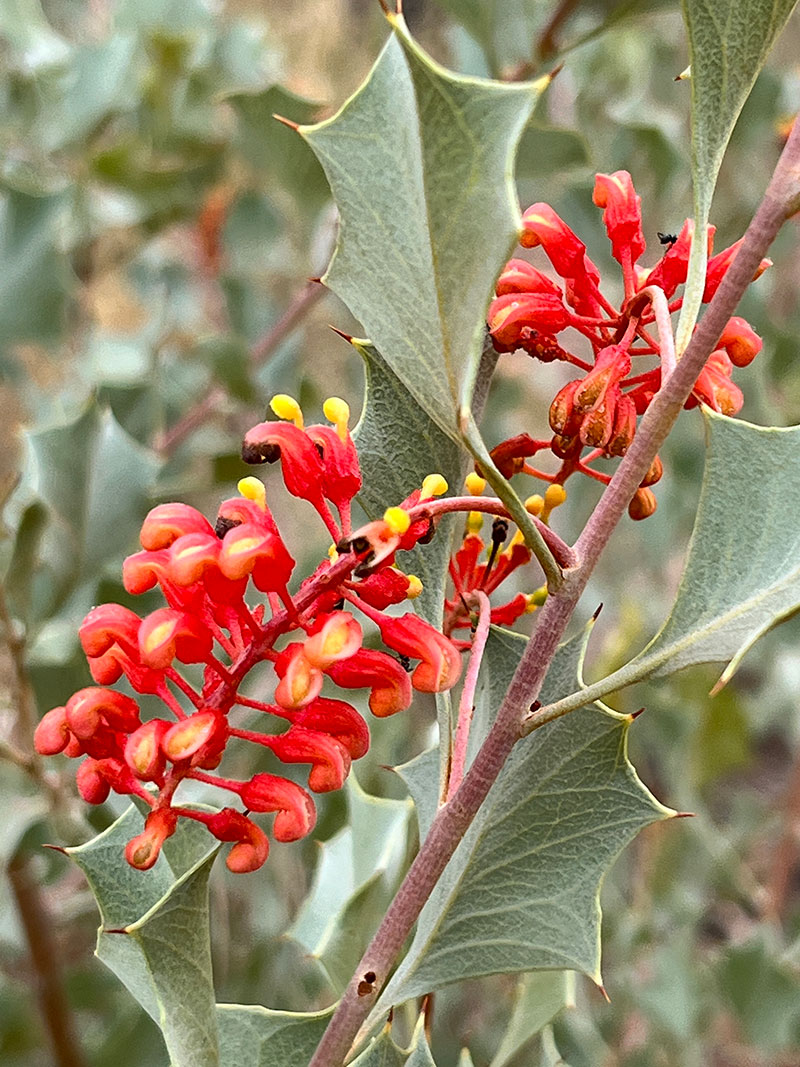
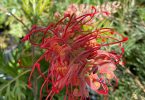
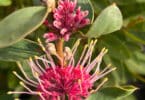
Most people say something close to gruh-VIL-ee-uh, though you will also hear it slightly shortened or softened depending on the region. The genus is named after Charles Francis Greville, one of the founders of the Royal Horticultural Society. Most species are native to Australia. So if anybody gets precious about pronunciation, just nod thoughtfully and admire the flowers.
Aeonium
Aeonium looks like one of those words that should either sound majestic or impossible. Instead it lands neatly in the middle and confuses everybody.
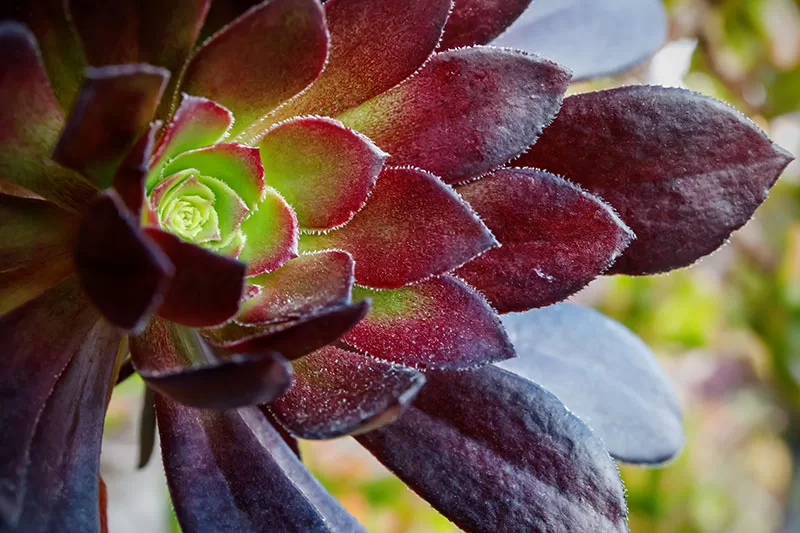
You will hear ee-OH-nee-um and ay-OH-nee-um, depending on who is saying it. So if you have been quietly dodging this one in conversation, you are in very good company. It is a fantastic plant name for reminding gardeners that vowels are not always here to help.
Cercis
Cercis is short, neat and somehow still manages to trip people up. You look at it and think it should be easy. Then out loud it becomes a gamble.
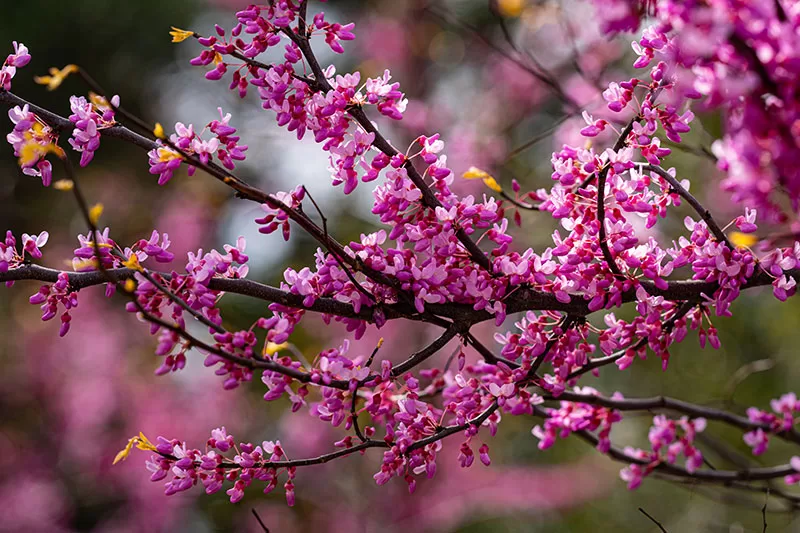
A commonly listed pronunciation is SER-sis. Nice and simple once you know it, though that will not stop plenty of gardeners from adding an extra flourish just to keep things interesting. Proof that even a six letter plant name can still cause a minor identity crisis.
Chaenomeles
Now we are getting into proper botanical chaos.
Chaenomeles is one of those names that makes even experienced gardeners pause, squint at the label and suddenly become fascinated by the weather instead.
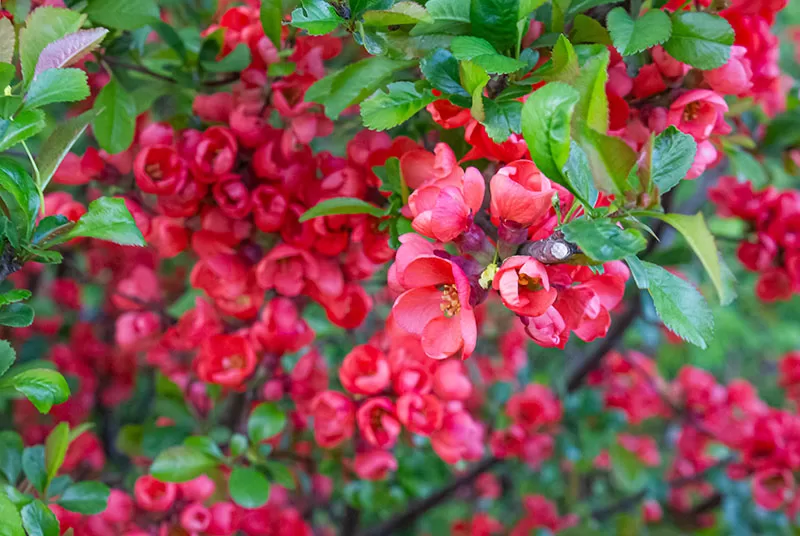
A commonly listed pronunciation is roughly kee-nom-uh-LEEZ, which is not at all obvious from the spelling. This is exactly the kind of plant name that makes people cling lovingly to common names like Flowering Quince and never look back.
Why It Is Not Worth Worrying About
Botanical names help us identify the exact plant we are talking about. That is handy when common names vary from place to place or get used for several completely different plants. So yes, they matter. No, you do not need to say them with the polished confidence of a university lecturer.
Gardening is not an oral exam. It is a practical pursuit with dirt under its nails.
Most Australian gardeners are far more concerned with whether a plant will survive full sun, handle clay soil or attract every possum in the postcode. Pronunciation comes a distant fourth.
If anything, mispronouncing plant names is almost a rite of passage. You are not really in the club until you have confidently said one in public, been gently corrected at the garden centre and then pretended you were “just seeing if they knew”.
Common Names Are Not Always Simpler
You might be tempted to dodge the whole issue and stick to common names instead. Reasonable idea. Sadly, common names are often just as chaotic.
One plant can have several common names depending on where you live in Australia. Different plants can share the same common name. Then somebody says “Daisy” or “Bluebell” and suddenly you are all talking about entirely different plants with complete confidence.
That is why botanical names are still worth learning, even if they occasionally make you feel like you are reading a spell book.
Keep Going, Keep Growing
Plant names are one of the funniest little corners of gardening. They can make you feel wildly knowledgeable one minute and completely ridiculous the next. That is normal. Very normal.
So keep learning them, keep using them and do not be afraid of getting them a bit wrong. The plants do not care. Your garden does not care. The Liriope in the front yard definitely does not care.
The main thing is to keep growing things and enjoying the process, even if Fuchsia still feels like a personal attack and Bougainvillea still comes out sounding like your tongue pulled a hammy.
And if somebody gets a bit smug about your pronunciation, hand them a label for Chaenomeles and let them have a crack.
If all this talk of plant names has you feeling inspired to add something new to your garden, I’ve got a couple of lovely things in the shop worth a look. Our heirloom seeds are a great way to grow something a little special, whether you’re filling a veggie patch, a few pots or just giving your garden an excuse to show off.
I’d also recommend the Garden Hand Tool Combo Pack, which is one of those genuinely useful sets you’ll reach for again and again when planting, tidying and tackling all the little jobs that somehow turn into big ones.
FAQs – Plant Names
Yes, botanical names are standardised internationally, which is exactly why they are useful. Unlike common names, which vary from region to region, a botanical name refers to the same plant no matter where you are in the world.
In most cases, no. Many botanical names have more than one widely accepted pronunciation and even experts disagree, so the most important thing is that the person you are speaking with understands which plant you mean.
Most botanical names come from Latin, Greek or the surnames of botanists and explorers, which means they often follow pronunciation rules that are unfamiliar to everyday English speakers. Reading them on a label before ever hearing them said aloud makes it even trickier.
Both have their place. Common names are easy and conversational but can cause confusion as the same name is sometimes used for entirely different plants. Botanical names are more precise and worth learning over time, even if they take a little practice.