You head out to check your tomatoes and discover a black patch on one fruit, a split in another and a suspiciously neat hole in a third. Apparently, someone has been busy while you were planning bruschetta.

Many common tomato problems come down to watering, weather or a hungry visitor. Others need closer attention. This guide covers eight familiar problems in Australian vege gardens, with the signs to look for and practical ways to protect the next harvest.
New to growing tomatoes? Start with our beginner’s guide to growing Tomatoes for planting, staking and everyday care.
What’s In This Guide
Quick Symptom Table
Use this table as a starting point rather than a definite diagnosis. Several pests and diseases produce similar symptoms, so check the fruit, stems and both sides of the leaves before deciding what to do.
| What You See | Likely Problem | First Thing To Do |
|---|---|---|
| Dark, sunken patch opposite the stalk | Blossom-end rot | Check moisture through the root zone and steady the watering |
| Cracks running from the stalk or around the shoulders | Fruit splitting | Maintain even moisture and harvest colouring fruit before heavy rain |
| Pale, papery patch on the sun-facing side | Sunscald | Keep healthy leaf cover and provide temporary shade |
| Holes in fruit with caterpillar droppings nearby | Caterpillar damage | Look for larvae around fruit, flowers and leaf undersides |
| Sting marks, soft patches or maggots inside fruit | Fruit fly | Protect newly set fruit and collect suspect fruit |
| Bronzed stems and lower leaves drying from the bottom up | Tomato russet mite | Confirm the pest before choosing a treatment |
| Brown spots with target-like rings, often on older leaves | Early blight | Remove badly affected lower leaves and reduce leaf wetness |
| White powdery patches, sometimes with yellow blotching | Powdery mildew | Inspect leaf undersides and improve airflow without stripping the plant |
1. Blossom End Rot
A brown patch develops at the blossom end of the tomato, opposite the stalk. As the fruit grows, the patch becomes dark, sunken and leathery. It is particularly frustrating when an otherwise promising tomato looks fine until you turn it over.

Blossom-end rot is not an infectious disease. The developing fruit has not received enough calcium but that does not necessarily mean the soil lacks calcium. Uneven moisture, damaged roots, waterlogging and excessive fertiliser can interfere with its delivery.
Remove badly affected fruit, keep the root zone evenly moist and check drainage. Water thoroughly enough to wet the roots, then adjust the frequency to the weather and how quickly the soil or potting mix dries. A fixed calendar is less useful than checking what is actually happening below the surface.
Mulch helps slow drying. Avoid overfeeding, particularly with high-nitrogen fertilisers and do not dig around established roots. Existing damage will not heal, although later fruit may develop normally once growing conditions improve.
Tomatoes generally grow well around pH 6–7. If the problem keeps returning, investigate soil pH and nutrient levels. Gypsum supplies calcium without substantially raising pH. Lime and dolomite raise pH, while dolomite also supplies magnesium.
Choose an amendment only when testing supports it. A pH reading alone is not a calcium test and adding dolomite automatically can create another imbalance.
2. Fruit Splitting
Splits may radiate out from the stalk or form rings around the shoulders. They often follow a dry period followed by rain or a sudden change in watering, when the fruit expands faster than its skin can accommodate.
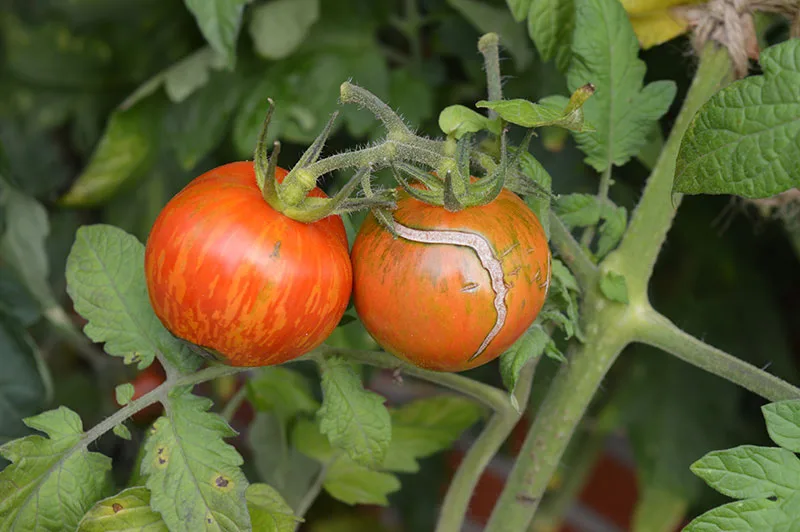
Aim for consistent moisture rather than alternating drought with a rescue soaking. Water the root zone thoroughly, allow excess water to drain and recheck before watering again. Frequent shallow splashes are not the answer. Containers may need much more frequent attention than garden beds during hot weather.
Keep a layer of organic mulch over the soil, with a gap around the stem. If heavy rain is forecast, harvest fruit that has started to colour and let it finish ripening indoors, out of direct sun.
Freshly split fruit deteriorates quickly. Use sound fruit promptly after trimming the damage, but discard anything mouldy, leaking or rotting. If splitting is a regular problem, try a variety described as crack-resistant. Resistance helps, although no variety comes with a weatherproof guarantee.
3. Sunscald
Sunscald usually appears as a pale yellow or whitish patch on the side facing strong sun. The damaged area can become papery or sunken, then develop secondary rot.
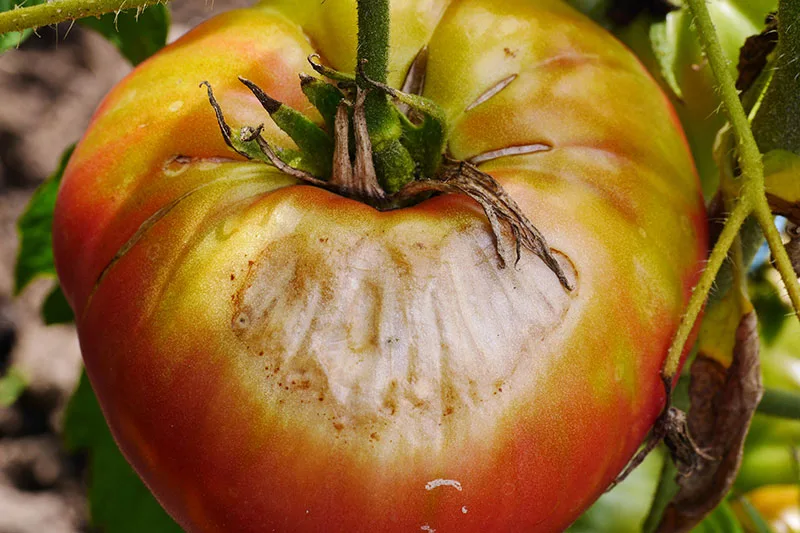
Sudden exposure is a common trigger. Heavy pruning, caterpillar damage or disease can remove the leaves that were protecting the fruit. Healthy foliage is the tomato’s sunscreen, so resist the urge to give the whole plant a severe Summer haircut.
Retain leaves around developing trusses and manage the cause of any leaf loss. During extreme heat, provide temporary shade above or on the afternoon-sun side of the crop, with space for air to circulate. Reuse sound shade cloth and sturdy supports if you have them. Avoid enclosing plants in a hot, poorly ventilated tent.
Damaged skin will not recover. Remove fruit that develops rot and adjust protection for the remaining crop. Shade strength and duration should suit your conditions rather than following one percentage for every garden.
4. Caterpillar Damage
A hole in a tomato, especially with dark droppings nearby, often points to a caterpillar. Tomato budworms can bore into flowers and developing fruit. Green Looper Caterpillars usually give themselves away by chewing holes in leaves, although they can also nibble buds and fruit. Our Green Looper Caterpillar guide shows you what to look for.
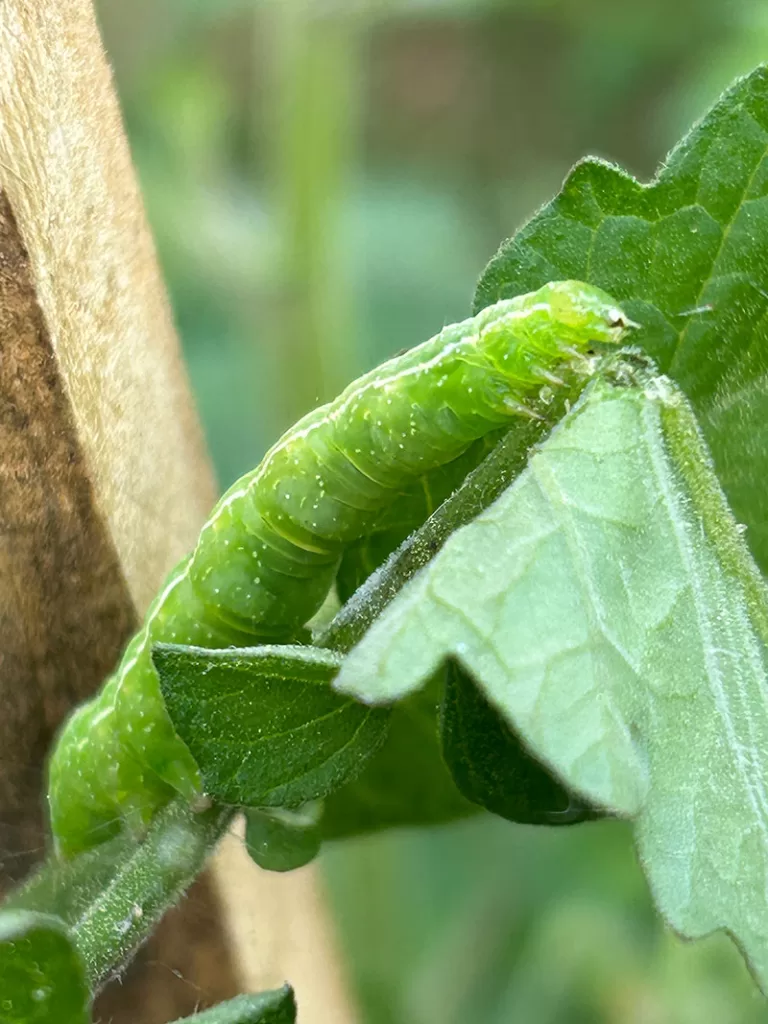
At The Curious Gardener, we avoid chemical sprays wherever we can. A few chewed leaves are usually something a healthy tomato plant can live with. Check beneath leaves, around flowers and under the fruit’s leafy cap every few days. Pick off caterpillars you’ve identified as pests and remove fruit they’ve bored into. Leave unfamiliar eggs alone until you know what they are. Beneficial insects lay eggs in the patch too.
If moths keep finding your tomatoes, check the plants for eggs and caterpillars before fitting fine insect mesh. Secure the edges to keep moths from getting in. Any caterpillar you miss will have the place to itself.
Give the garden’s pest patrol a hand as well. Parasitic wasps and assassin bugs can help keep caterpillars in check, while lacewings and some ladybirds feed on pest eggs or small larvae. Small flowers such as Cut-Leaf Daisy (Brachyscome multifida) are a way to make the patch more welcoming to beneficial insects.
If caterpillars are still causing significant damage after hand-picking and exclusion, a labelled Bacillus thuringiensis var. kurstaki (Bt) product is a last resort for small caterpillars feeding in the open. They have to eat treated plant material, so it won’t reliably reach caterpillars already inside fruit.
Bt can also affect other butterfly and moth caterpillars. If you use it, check that the label covers tomatoes and the target pest, follow the directions and keep spray drift away from nearby habitat plants.
5. Fruit Fly
Fruit fly damage can begin with tiny sting marks that are surprisingly easy to miss. Fruit may soften, rot or drop with creamy maggots feeding inside. Some infested fruit still looks fairly normal from the outside.
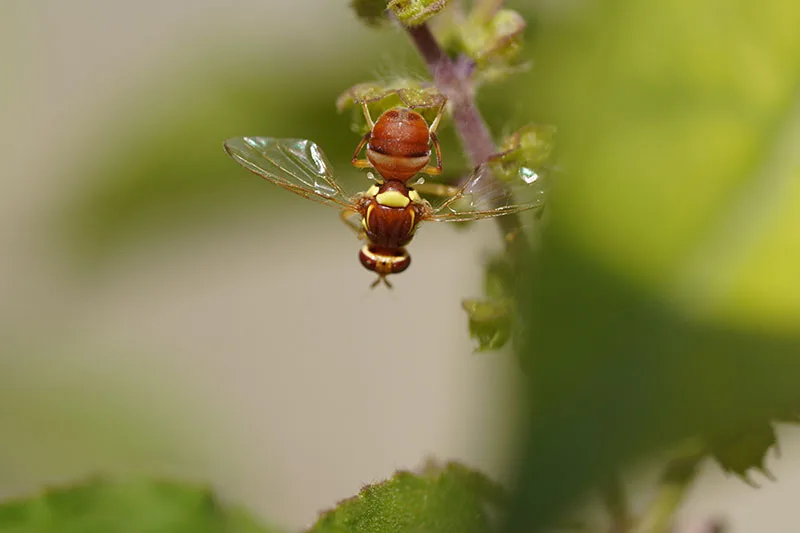
Queensland Fruit Fly is a concern in many eastern Australian growing areas. Mediterranean Fruit Fly is established in parts of Western Australia. Distribution and outbreak restrictions vary, so use local biosecurity advice rather than assuming one species is the only concern in your state.
Exclusion works best when it starts early. Bag newly set fruit or cover plants with fine mesh specifically suitable for fruit fly. Close every gap and keep fruit away from the mesh, as flies may sting through it where the skin touches. Inspect covers regularly for tears.
Harvesting at the first blush of colour can reduce the time fruit is exposed, but it cannot undo an earlier infestation. Cherry Tomatoes may suffer less attack in some gardens, although they are not fruit-fly-proof and still need protection where pressure is high.
If you enjoy growing cherry Tomatoes, you can find Tomato ‘Tommy Toe’ Heirloom Seeds in our shop.
Collect fallen and suspect fruit promptly. For Queensland Fruit Fly, Agriculture Victoria advises sealing small quantities in a bag and freezing for two days until frozen solid, or thoroughly cooking the fruit to kill larvae. Its solarisation advice for larger quantities is two sealed garbage bags in the sun for at least 14 days. Simply leaving one black bag outside for an unspecified time is not reliable advice.
Follow your state’s current treatment and disposal instructions, especially during an outbreak. Keep untreated infested fruit out of home compost, worm farms and green waste.
After treatment, use the approved rubbish disposal route. Traps help monitor activity, but some attract males only and trapping alone is unlikely to protect the crop. Check movement restrictions before taking home-grown produce elsewhere.
6. Tomato Russet Mite
Tomato Russet Mite can make a plant look desperately thirsty. Lower leaves dry and die, stems lose their fine hairs and develop a bronzed appearance, and damage works upwards. Fruit may develop rough or russeted skin.
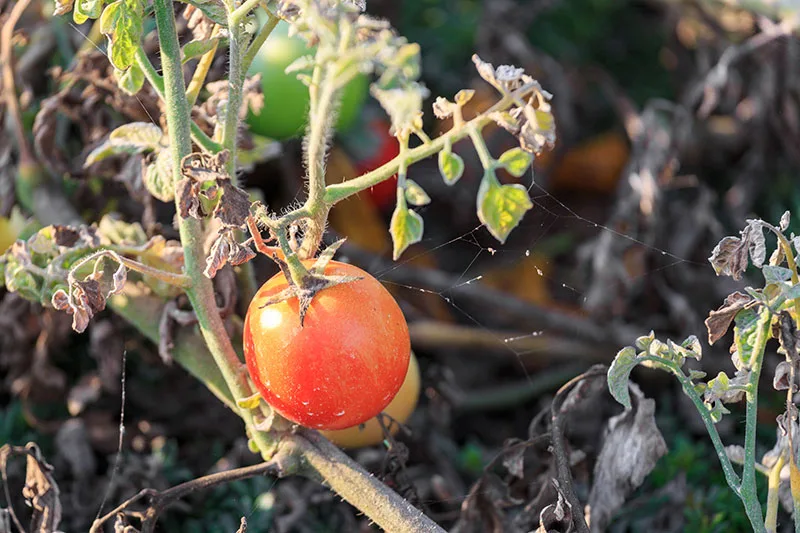
The mites are minute, roughly 0.2 mm long and difficult to confirm with the naked eye. Strong magnification or expert identification may be needed. Hot, dry weather favours outbreaks but bronzing alone is not proof of this pest.
Check nearby tomatoes and other potential hosts, including capsicums and chillies. Remove exhausted crops promptly and manage host weeds so they do not provide a bridge to the next planting. Avoid carrying mites between plants on tools or clothing.
If treatment is warranted, wettable sulphur is an option only where the current label covers the crop, pest and your location. Thorough coverage matters. Follow the label’s temperature limits, repeat interval and harvest directions.
Sulphur can damage foliage in hot conditions and when used too close to an oil spray. Spraying in the cool of the evening does not cancel those restrictions. Check the required separation from oils, including oil-containing fungicide mixtures, before using either product. Severely damaged plants may be better removed than repeatedly treated.
7. Early Blight
Early blight commonly starts on older, lower leaves as brown spots that develop concentric, target-like rings. Yellowing may surround the spots, and affected leaves eventually die. Fruit can develop dark, leathery lesions, often near the stalk.
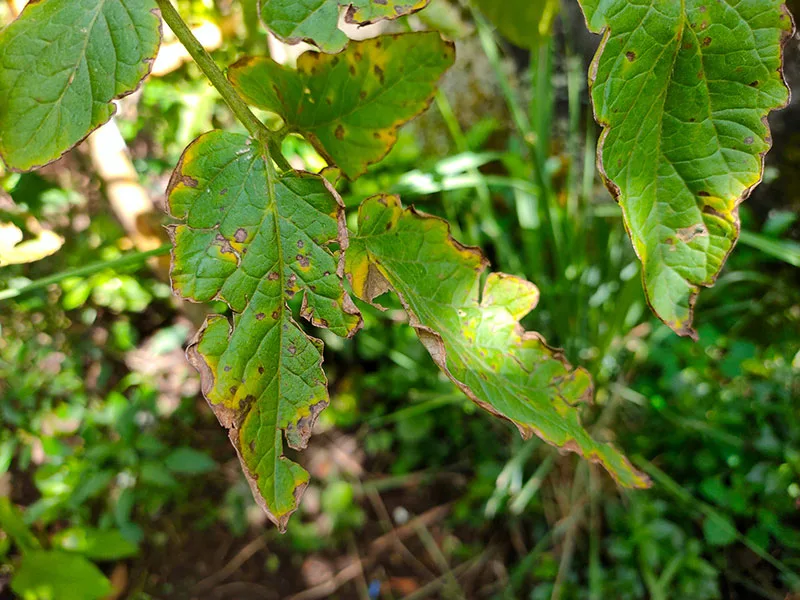
This fungal disease is encouraged by periods of leaf wetness and favourable temperatures. Similar leaf spots can have other causes, so seek identification if the symptoms do not fit or the plant deteriorates rapidly.
Start with garden hygiene. Remove badly spotted lower leaves without stripping the plant, avoid handling wet foliage and clean pruning tools between affected plants. Keep suspect material out of a normal cool compost heap. A properly managed hot composting process is a different matter but the household rubbish route is simpler for most home gardeners.
Water at soil level, mulch to reduce soil splash and support plants so foliage is clear of the ground. Allow enough space for air to move between plants.
A fungicide is not automatically necessary for a few affected leaves. If disease is progressing, a copper product specifically labelled for early blight on tomatoes may help protect remaining healthy growth. It will not restore dead leaf tissue. Follow all label directions, including any withholding period, rather than using repeated sprays as routine insurance.
Clear crop debris at the end of the season. Rotate away from tomatoes and related susceptible crops where space allows, ideally leaving several years before returning them to the same bed. Moving a plant a few centimetres along the same bed is unlikely to make much difference.
8. Powdery Mildew
Powdery mildew can produce white, floury patches on tomato leaves. Some forms are less obvious, with yellow blotches above and sparse fungal growth beneath. Leaves can brown and die, reducing the cover protecting the fruit.
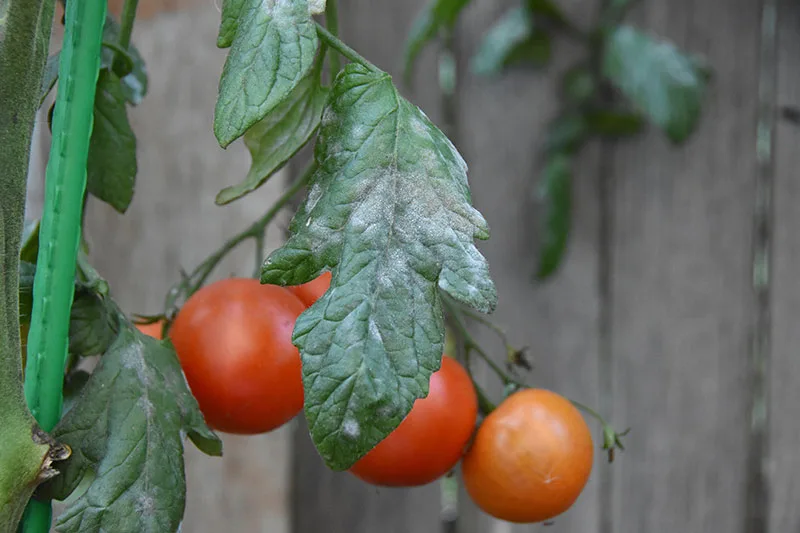
Unlike many leaf diseases, powdery mildew does not need a film of water on the leaves to infect them. Humid conditions and sheltered foliage can still favour it, so watering at ground level is useful general hygiene rather than a complete cure.
Remove a limited amount of badly affected foliage and improve spacing or support where plants are crowded. Prune lightly according to the variety. Bush or determinate tomatoes do not need the routine side-shoot removal used for some climbing types, and heavy pruning can expose the crop to sunscald.
If treatment is needed, choose a potassium bicarbonate fungicide specifically registered for powdery mildew on tomatoes. Apply early and follow the label, including coverage, stress precautions and any harvest directions. Kitchen bicarbonate is not an interchangeable substitute for a formulated product.
Milk sprays have been investigated for powdery mildew but results depend on the crop, mildew and treatment. A weekly one-part-milk-to-five-parts-water recipe should not be presented as a dependable cure for Tomato mildew. For a spreading infection, use confirmed identification and a labelled treatment rather than relying on a home recipe.
How To Prevent Common Tomato Problems
You cannot control a week of rain or a heatwave but a few steady habits make the crop easier to manage.
Keep Moisture Steady
Check the root zone, water thoroughly when needed and maintain mulch. Make sure containers drain freely. The aim is evenly moist soil, not constant saturation or a dry plant followed by an emergency flood.
Protect Healthy Foliage
Give plants appropriate support and spacing. Remove damaged leaves selectively and keep enough healthy growth to shade the fruit. Reuse sound stakes and ties after cleaning them between seasons.
Check Little And Often
Look beneath leaves, around stems and inside the canopy every few days. Fit fruit fly protection early and pick up damaged or fallen fruit promptly. A quick check while you are watering can save a much bigger job later.
Treat The Cause
At The Curious Gardener, we keep sprays to a minimum wherever practical. Prevention, physical removal and good growing conditions come first. If a product is needed, match it to an identified problem and check its current Australian label, edible-crop directions and withholding period. Keep spray away from active pollinators and follow any bee-protection instructions.
One damaged tomato does not mean the whole season is ruined. Work out what has happened, protect the remaining crop and give the next truss a better chance.
Frequently Asked Questions
Can You Eat Tomatoes With Blossom-End Rot?
The disorder itself is not infectious. If a ripe tomato is otherwise firm and sound, the affected area can be cut away for immediate use. Discard the whole fruit if it has mould, soft rot or signs of decay. Do not use blemished or damaged tomatoes for bottling or canning.
Does Adding Calcium Fix Blossom-End Rot?
Only if calcium supply is actually part of the problem. Uneven moisture or root stress can prevent calcium reaching the fruit even when the soil contains enough. Correct watering and drainage first, then use soil testing to guide any amendments. Do not add gypsum or dolomite solely on the basis of pH.
Why Are My Tomatoes Splitting On The Vine?
Splitting commonly follows rapid changes in water supply, especially rain after dry conditions. Maintain even root-zone moisture, mulch and harvest fruit that has begun colouring before heavy rain. Some varieties are more prone to cracking than others.
What Is Eating Holes In My Tomatoes?
Caterpillars are a common cause, particularly if you also find droppings. Budworms can bore into fruit while loopers often chew leaves and may damage fruit too. Slugs, snails, birds and other visitors can also leave holes, so inspect the plant and look for the culprit before treating.
Can I Compost Diseased Tomato Leaves Or Fruit Fly Fruit?
Keep early-blight material out of an ordinary cool home compost heap unless you can reliably hot-compost it. Do not compost untreated fruit fly fruit. Follow local biosecurity directions to kill larvae and dispose of the fruit, rather than allowing the next generation to emerge beside your vegetable patch.