If you have just moved into a new build, you already know the situation. Hard-packed clay, stripped topsoil, full sun, wind exposure and not a scrap of organic matter in sight. It is less “garden” and more “construction aftermath with a fence.”
The good news is this: with the right plant choices, you can fast-track your space from bleak to beautiful without fighting nature every step of the way. The trick is choosing tough, adaptable plants that can handle poor soil while you gradually improve it.
This guide covers the best plants for new builds in Australia, including hardy natives and reliable non-natives that won’t throw a tantrum the moment conditions get a little rough.
What You’re Actually Dealing With
Before you start planting everything you’ve ever loved, it helps to understand what’s going on under your feet.
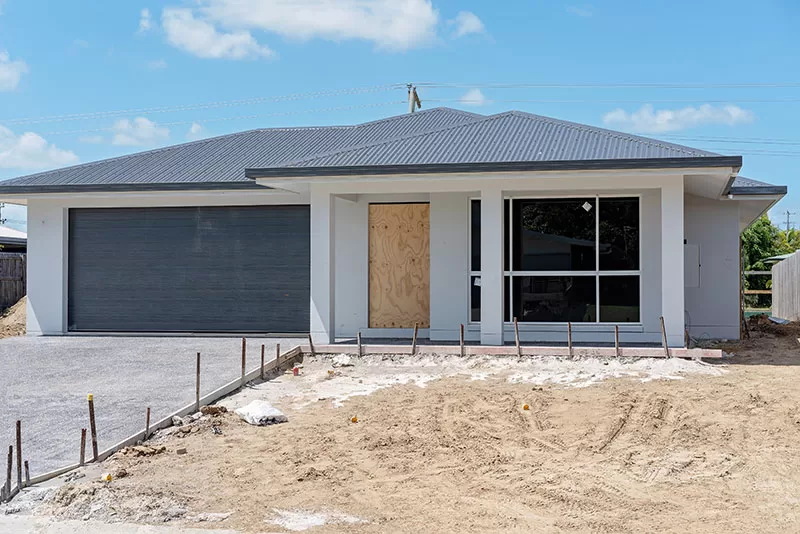
During construction, topsoil is typically stripped from the site and heavy machinery compacts what’s left underneath. What builders sometimes replace it with is a thin layer of low-quality fill soil placed over rubble or subsoil. The result is a rooting environment that most plants would struggle to survive in, let alone thrive.
Most new builds come with compacted soil that drains poorly, very little organic matter or nutrients, raised alkalinity from construction materials and debris, full sun exposure with minimal shade and wind exposure courtesy of nearby fences and neighbouring houses.
You can improve all of this over time. You just need plants that can survive the early stages while that improvement happens.
Get A Soil Test Before You Plant Anything
This is the step most new build gardeners skip and it is the one most worth doing.
A basic soil pH test from your local nursery or garden centre costs very little and takes minutes. It tells you whether your soil is acidic, neutral or alkaline, which directly affects what plants will thrive and what will struggle no matter how well you care for them. Construction materials including concrete, render and limestone rubble can raise soil alkalinity significantly, often without it being obvious to the eye.
Knowing your pH before you spend money at the nursery means you can match your plants to your actual conditions rather than guessing. If your soil comes back very alkaline, you can also take steps to gradually acidify it with sulphur or composted organic matter before planting.
The Strategy
When choosing plants for new builds, think in layers and timelines. Start with structure and resilience first, then focus on soil improvement and finally fill in the gaps as your garden matures. Pretty comes later.
Best Australian Native Plants For New Builds
These are your ride-or-die plants. They handle poor soil, harsh sun and inconsistent watering far better than most.
Lomandra (Lomandra longifolia)
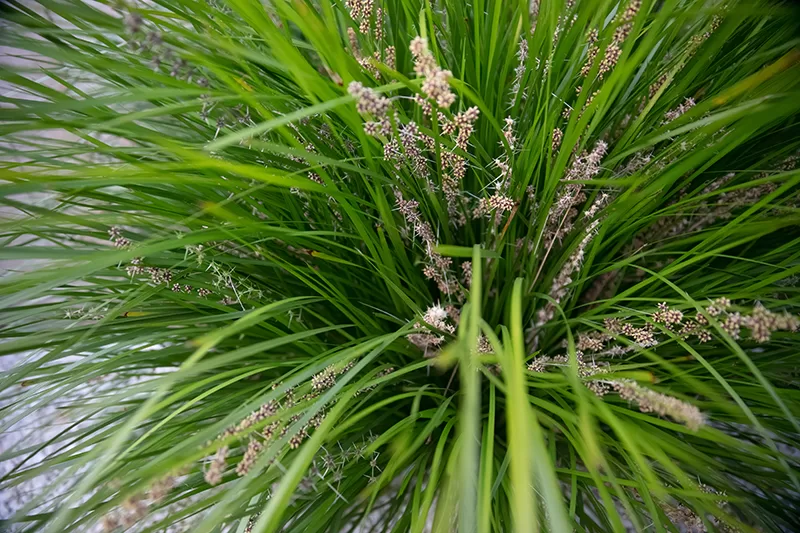
This is one of the best plants for new builds, full stop. Lomandra longifolia, also known as Spiny-headed Mat Rush, is native to eastern and southern Australia and is widely distributed from Queensland through New South Wales and Victoria to South Australia and Tasmania. It tolerates drought, clay, sand and neglect with remarkable ease.
Once established, it forms dense, clumping tussocks that reach around one to 1.2 metres in height and width. It handles full sun through to shade under trees, is frost tolerant to approximately -7°C and can cope with everything from waterlogged conditions to dry coastal dunes. It is superb for borders, mass planting and erosion control. Plant it and let it do its thing.
Kangaroo Paw (Anigozanthos spp.)
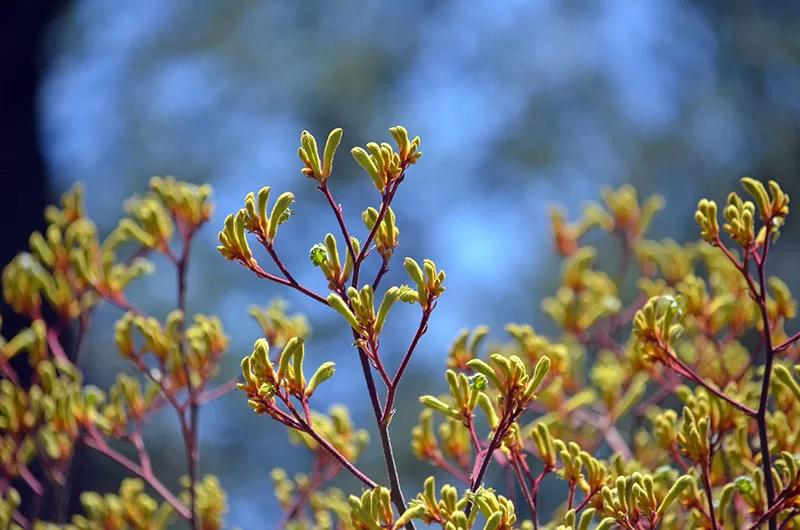
If you want colour without the drama, this is your plant. Kangaroo Paw thrives in full sun and well-drained soil and produces bright, tubular flowers that attract native birds.
Compact varieties suit smaller spaces well. Keep it on the drier side and it will reward you generously.
Coastal Rosemary (Westringia fruticosa)
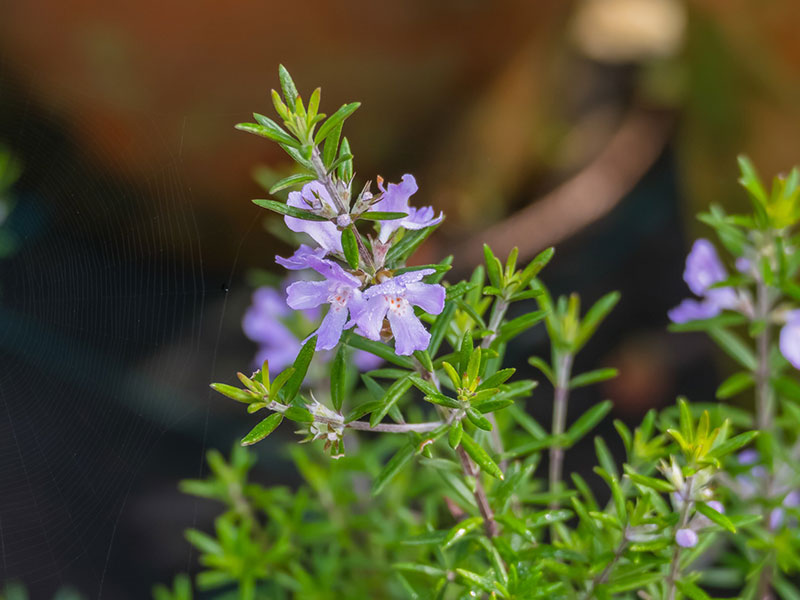
Westringia fruticosa is native to the coastal regions of New South Wales and has naturalised across the east and south of Australia. Despite its common name, it is unrelated to Mediterranean rosemary and has no distinctive aroma. It is, however, a superb performer in tough conditions.
It grows into a rounded, dense shrub reaching 1.5 to 2 metres tall and wide if left unclipped and responds well to pruning for formal hedging.
It tolerates wind, salt spray, sandy soils and drought and produces small white to pale lilac flowers throughout most of the year with heavier flushes in Spring and Summer. It’s an excellent choice along fences where conditions are toughest.
Bottlebrush (Callistemon spp.)
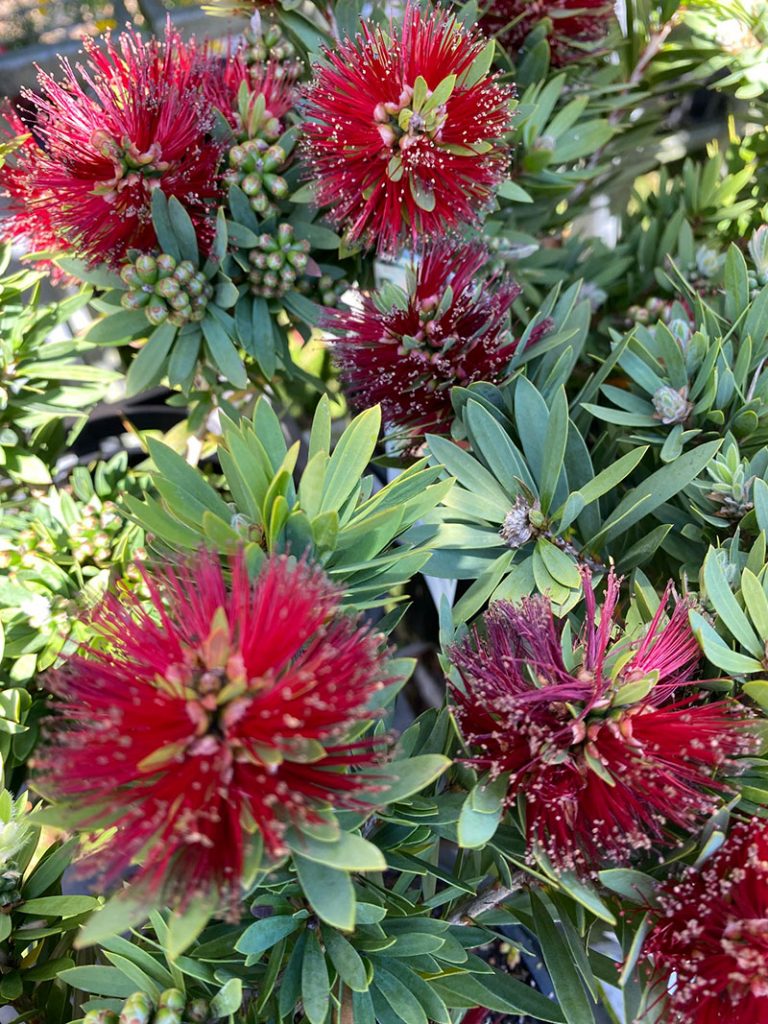
Reliable, reasonably fast growing and loved by pollinators, Bottlebrush handles heavier soils better than many natives. Available in both shrub and small tree forms, it adds height and movement to a new build garden and is excellent for screening and softening hard lines.
Native Daisy (Brachyscome spp.)
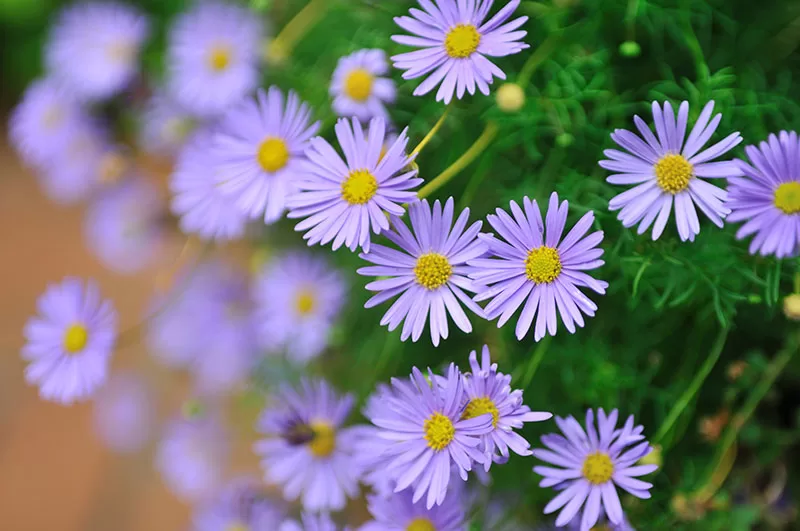
A softer option that still holds its own. Brachyscome produces masses of small, cheerful flowers and adapts well once established.
It’s ideal for filling gaps quickly and taking the edge off the sharp, stark look of a brand new garden.
Best Non-Native Plants That Actually Cope
Not everything has to be native. Some non-natives are just as tough and bring a completely different look to the garden.
Lavender (Lavandula spp.)
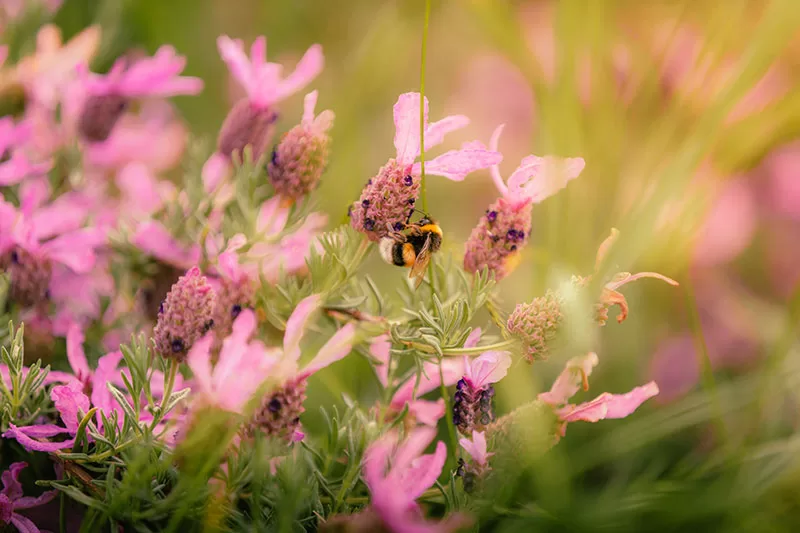
Lavender earns its place in any new build garden. It loves poor, well-drained soil, handles heat and drought with ease and adds both structure and colour. Overwatering is the fastest way to kill it, so resist the urge to fuss.
Agapanthus (Agapanthus spp.)
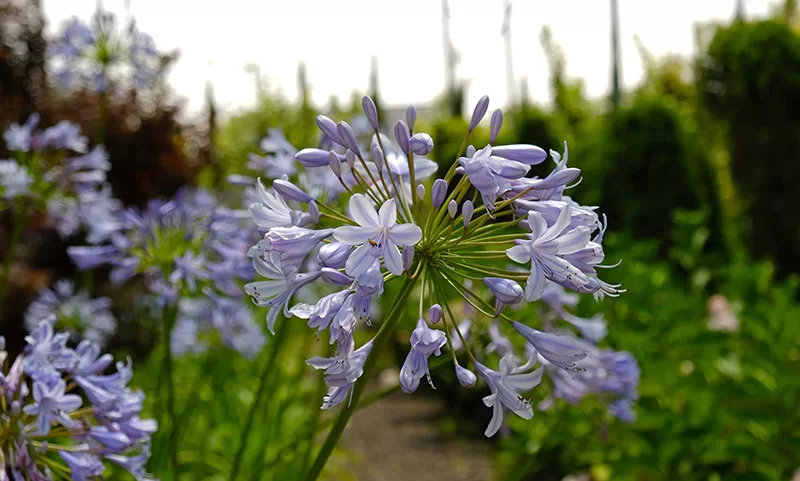
Almost impossible to kill. Agapanthus thrives on neglect, handles full sun and poor soil and works beautifully as a border or mass planting option when you need quick coverage.
Note that some varieties can be invasive in bushland areas, so check with your local council before planting near natural reserves.
Indian Hawthorn (Rhaphiolepis indica)
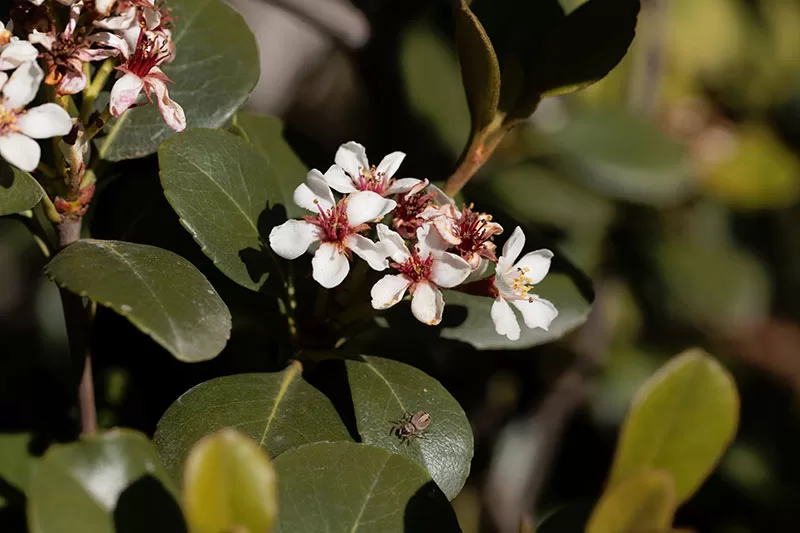
A tidy, low-maintenance shrub that looks good year-round. Indian Hawthorn handles coastal exposure well and produces soft pink or white flowers.
It works beautifully in front gardens and is a solid option for areas that need structure without a lot of upkeep.
Dietes (Dietes grandiflora)
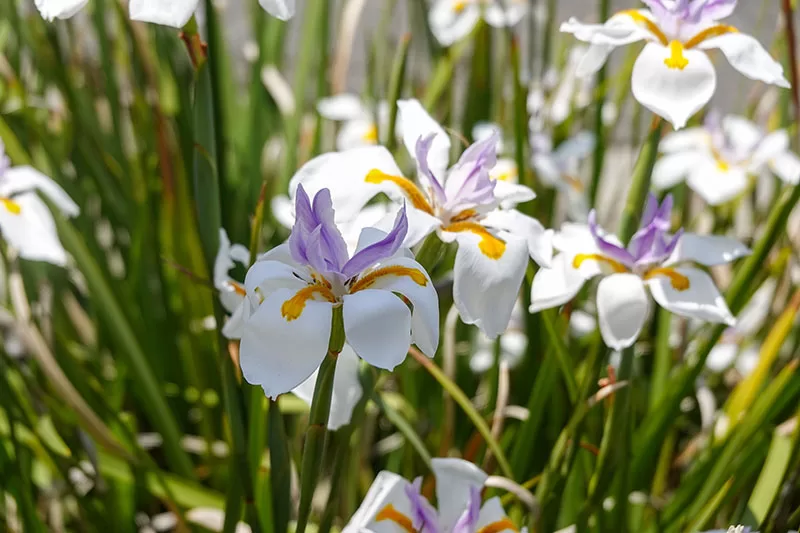
lso known as Fortnight Lily, Dietes is extremely hardy, flowers repeatedly and works well for edging and mass planting. It looks delicate but performs like a workhorse.
A Midway Reality Check
At this point you might be thinking, “This is great, but my soil is still terrible.” You are probably right. Plants can cope but they will do even better with a little help.
The good news is that soil improvement does not need to be a massive project. Adding compost at planting time, keeping up a regular mulch layer and letting plant roots do some of the breaking up work all make a noticeable difference over time.
How To Improve Your Soil Without Losing Your Mind
Small, consistent improvements make a noticeable difference over time. You do not need to overhaul everything at once.
Add compost when planting. Even a generous handful worked into each planting hole gives roots something to work with from day one.
Top up mulch regularly. A layer of 5 to 7 centimetres of organic mulch such as Eucalyptus or sugar cane mulch helps retain moisture, regulate soil temperature and suppress weeds. It also breaks down over time and feeds the soil beneath it.
Avoid overwatering compacted soil. This is a common mistake on new builds. Water pools in compacted clay rather than draining, which can rot roots and create anaerobic conditions. Water deeply but infrequently, allowing the soil to partially dry between waterings. This also encourages roots to grow deeper in search of moisture, which builds stronger plants.
Consider agricultural gypsum for heavy clay. If your block has particularly dense, sticky clay, agricultural gypsum is an affordable and widely available product that helps break up clay particles over time and improves drainage. It is best applied in Spring or Autumn and takes one to two seasons to show meaningful results. Unlike lime, it does not alter soil pH, making it safe to use around most plants.
Let plant roots do some of the work. Over time, root systems break up compaction naturally. Lomandra in particular is excellent at this.
Fast-Growing Plants For Instant Impact
New builds can feel stark and exposed. These plants help create that established garden look much faster.
Lilly Pilly (Syzygium spp.)
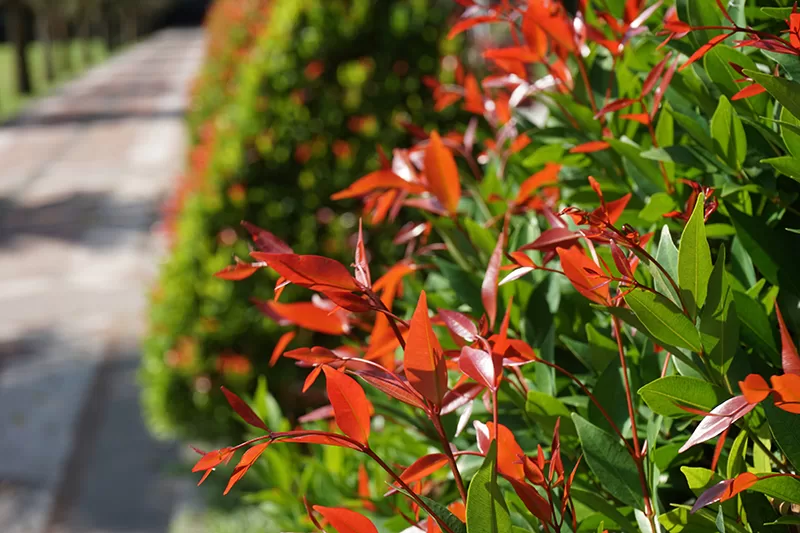
A classic choice for hedging and screening. Lilly Pillies are fast growing and dense, respond well to pruning and are excellent for privacy.
It is worth choosing psyllid-resistant varieties to keep maintenance low and your hedge looking its best. Reliable options include Syzygium australe ‘Resilience’, ‘Superior’ and ‘Straight & Narrow’, as well as Acmena smithii varieties which are among the most resistant to psyllid damage.
Grevillea (Grevillea spp.)
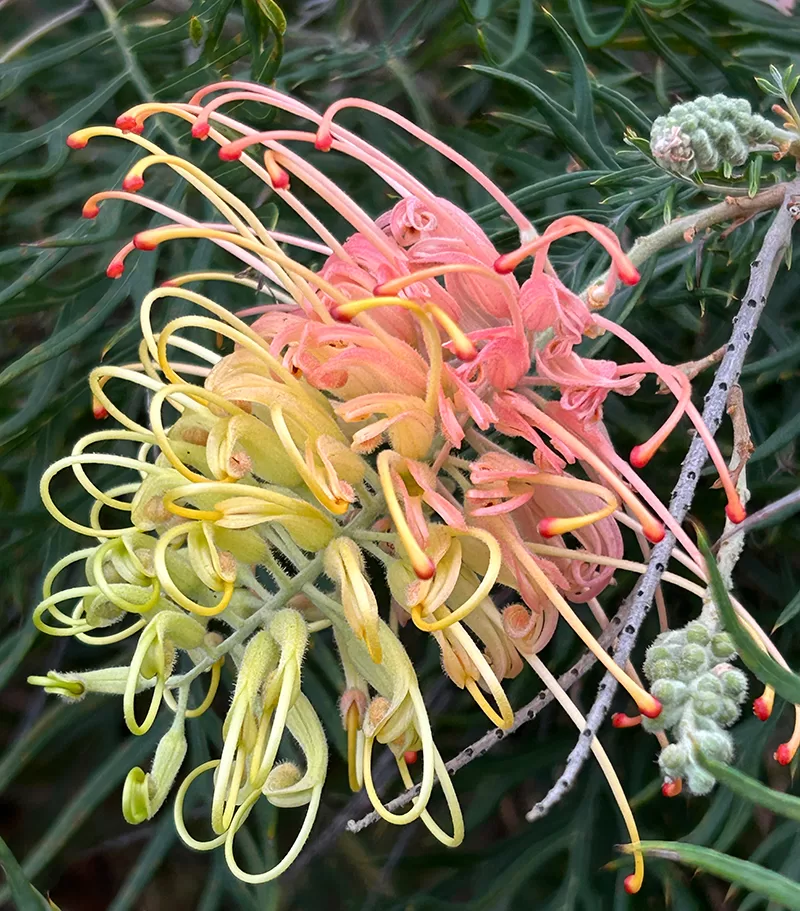
For colour and wildlife appeal, Grevillea is hard to beat. Its flowers attract birds and bees, it thrives in poor soil and it comes in a huge range of sizes to suit different spaces.
Plant in full sun with good drainage for best results.
Once your garden starts to establish, our Australian Wildflower Seed Bombs for Native Birds are a simple and joyful way to add more colour and bring even more wildlife into the mix.
Hibiscus (Hibiscus rosa-sinensis)
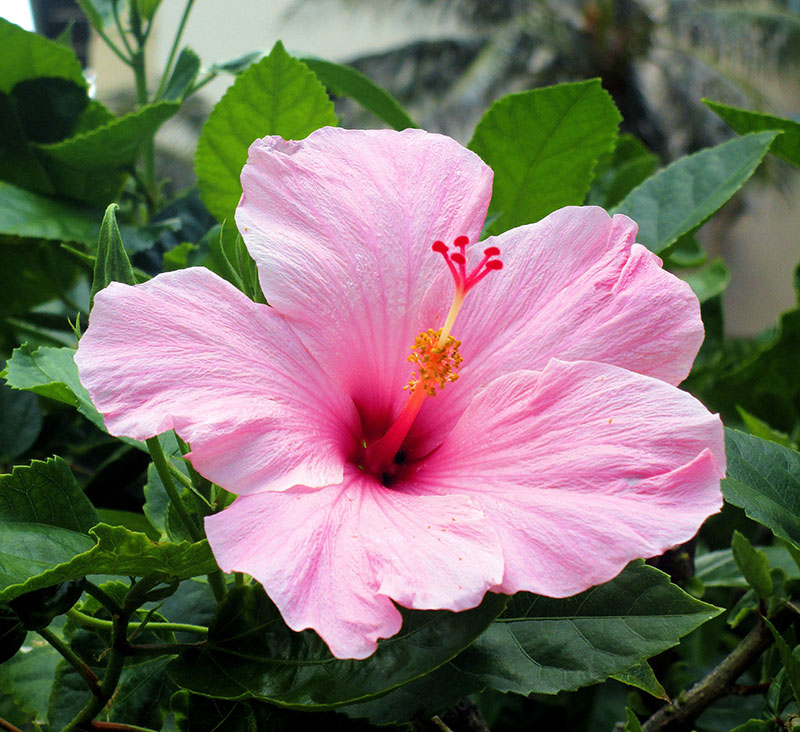
For a lush, tropical feel in a sheltered position, Hibiscus is fast growing and colourful. It loves warmth and sun and adds softness to modern homes.
Best suited to warmer climates across northern and coastal areas of Australia.
Ground Covers That Actually Do Something
Bare soil in a new build is an open invitation for weeds. Ground covers solve that problem quickly and effectively.
Creeping Boobialla (Myoporum parvifolium)
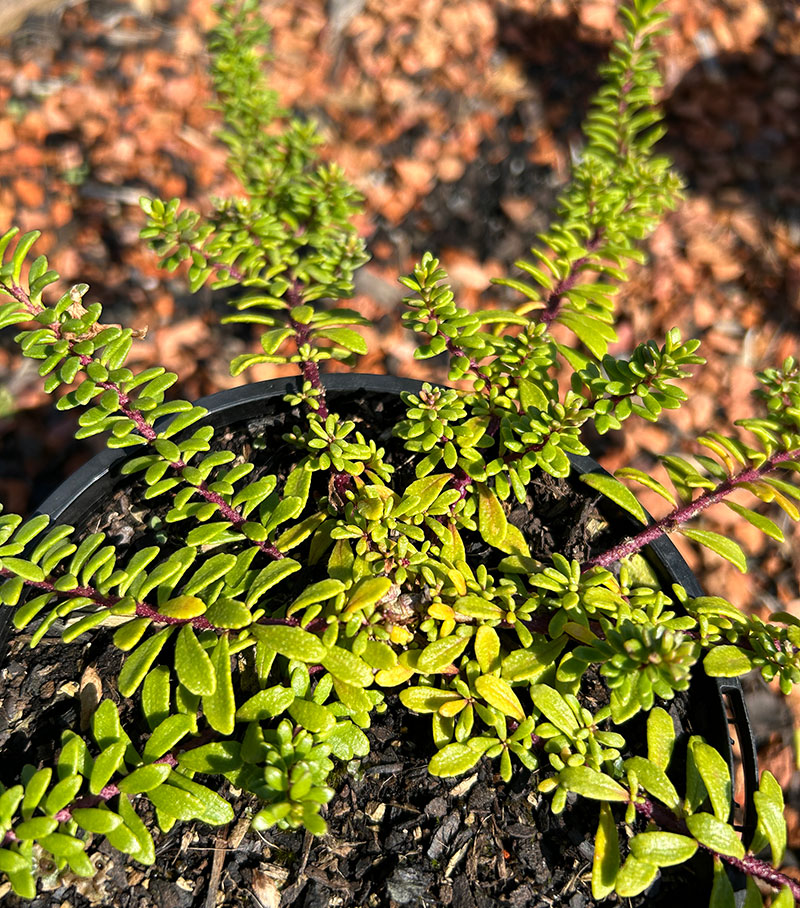
A standout performer and one of the most widely used ground covers in drier parts of Australia.
Creeping Boobialla spreads rapidly to form a dense mat reaching up to three metres wide and just 10 to 20 centimetres tall, suppressing weeds and reducing the need for mulching.
It tolerates drought, coastal conditions, sandy and clay soils and light frost. Small white or pink flowers appear during the warmer months.
Dichondra (Dichondra repens)
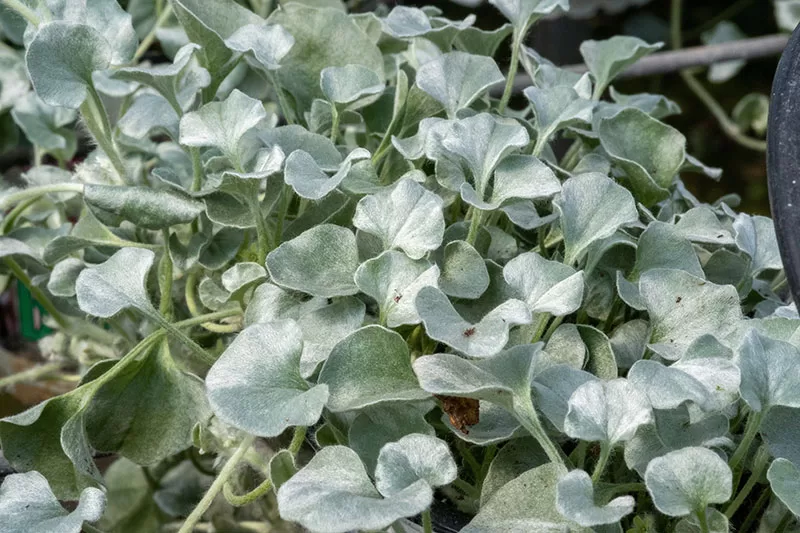
For a softer, green carpet effect, Dichondra is a reliable choice. It works well between pavers, handles light traffic and creates a finished look that ties garden spaces together.
Pigface (Carpobrotus spp.)
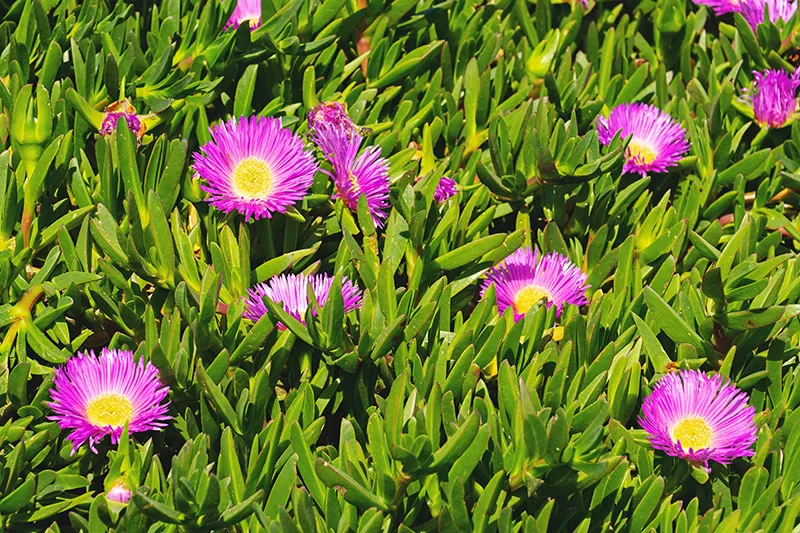
Built for harsh conditions. Pigface is extremely drought tolerant, thrives in poor soil and produces bright flowers. It’s excellent for exposed areas and slopes where very little else will establish easily.
A Few Honest Truths About New Build Gardens
Nobody tells you this when you get the keys, so here it is. Your soil will improve over time. Some plants will fail and that is completely normal. The first year is largely about survival. Mulch is not optional. You are building a garden, not installing one.
Small improvements made consistently, such as adding compost when you plant, topping up mulch regularly and avoiding overwatering compacted soil, stack up quickly. Within a couple of seasons, you will see the difference.
Check What Your Local Council Offers
Before you head to the nursery, it is worth checking in with your local council. Many Australian councils publish lists of suitable plants for local conditions and climate zones, which takes a lot of the guesswork out of plant selection.
Some councils also run subsidised or free native plant programmes, particularly in areas with water restrictions or bushfire risk. A quick search on your council’s website or a phone call can save you time, money and the frustration of planting something that was never suited to your area in the first place.
Choosing The Right Plants For Your Block
Every site is different. Pay attention to sun exposure, wind patterns, drainage and how the soil varies across your block before you plant anything. Then match your plants to those actual conditions rather than what looked good at the nursery.
That is the real secret to choosing the best plants for new builds. It is not about what catches your eye on a Saturday morning. It is about what will genuinely survive and thrive in your space.
Where To Go From Here
Start small. Get a few tough plants established and build from there. Before long, that lifeless dirt block starts to look like a proper garden. One that works with you instead of against you. And that is when it gets genuinely enjoyable.
A little boost…
Time to get started? A few things from our shop that fit perfectly with your new build garden:
FAQs – Plants for New Builds
Lomandra (Lomandra longifolia) is hard to beat as a starting point. It tolerates drought, poor soil, clay, sand and neglect while providing structure and erosion control from day one.
You don’t need to overhaul everything before you start but adding compost to each planting hole and laying a 5 to 7 centimetre layer of mulch will give your plants a much better chance of establishing quickly.
The fastest way to suppress weeds is to cover bare soil as quickly as possible using ground covers like Creeping Boobialla (Myoporum parvifolium) combined with a good layer of organic mulch between plants.
Yes. Several Australian natives are well suited to clay, including Lomandra, Bottlebrush (Callistemon spp.) and Lilly Pilly (Syzygium spp.), all of which will cope with heavier soils better than most exotic alternatives.