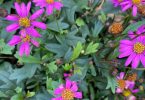
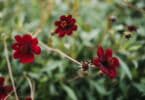
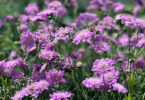
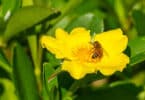
If your garden feels a bit… quiet… chances are it’s missing one very important ingredient: bees. No bees = no pollination = fewer flowers, fewer veggies and honestly, a pretty lifeless garden.
The good news? You don’t need acres of wildflowers or some Pinterest-perfect meadow to attract them. A few smart tweaks and the right plants can turn even the most average backyard into a buzzing hotspot.
Why Bees Matter (More Than You Think)
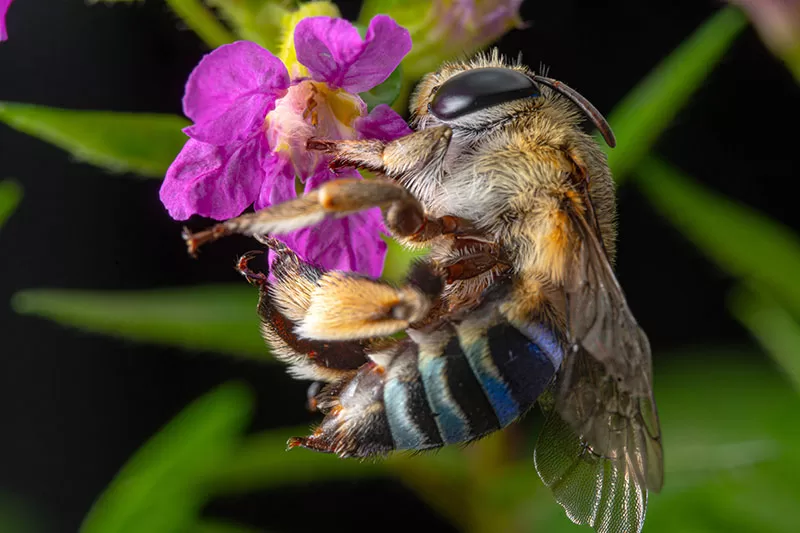
Bees aren’t just cute little fluff balls floating around your Lavender (and yes, they absolutely love it — even if we’re not all fans 😄). They’re responsible for pollinating around a third of the food we eat plus a huge chunk of the flowers that make gardens worth having.
No bees = no tomatoes, no berries, no pumpkins… and frankly, no bragging rights.
Plant What Bees Actually Want (Not Just What Looks Pretty)
Bees are not impressed by big, fluffy, overbred flowers. They want easy access to nectar and pollen.
Go for these winners, these are like an all-you-can-eat buffet for bees:
- Grevillea – Grevillea spp.
- Bottlebrush – Callistemon spp.
- Westringia – Westringia fruticosa (hardier and more reliable than some natives, great for beginners)
- Banksia – Banksia spp. (an incredible nectar producer, loved by native bees and birds alike)
- Kangaroo Paw – Anigozanthos spp. (a native bee favourite and very suited to Australian gardens)
- Leptospermum – Leptospermum spp. (commonly known as Tea Tree, masses of small flowers that bees adore)
- Correa – Correa spp.
- Native Mint Bush – Prostanthera spp. (stunning bee magnet, but can be a little fussy — best suited to gardeners with some experience)
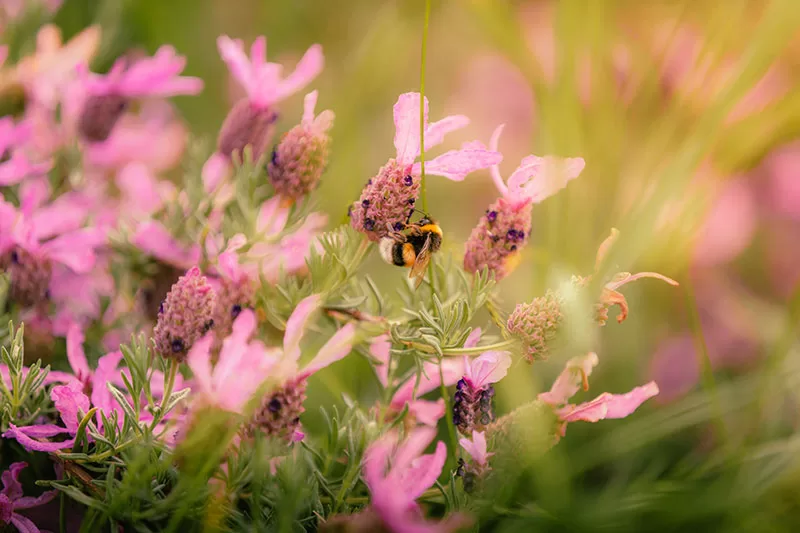
- Lavender – Lavandula spp. (one of the most effective bee-attracting plants you can grow and long-flowering too)
- Borage – Borago officinalis
- Salvia – Salvia spp.
- Cosmos – Cosmos spp.
- Sunflower – Helianthus annuus
- Rosemary – Salvia rosmarinus (incredibly bee-friendly when flowering and useful in the kitchen)
- Thyme – Thymus spp. (low-growing, easy and absolutely covered in bees when in bloom)
Avoid:
- Double flowers (they look fancy, but bees can’t get into them)
- Highly hybridised plants bred for looks, not function
Rule of thumb: If it looks like a frilly ball gown, bees probably can’t use it.
Want to fast-track the planting? Our Australian Wildflower Seed Bombs for Native Pollinators are a brilliant way to get a mix of bee-friendly natives established quickly. No green thumb required.
Plant for Year-Round Flowers (This Is the Big One)
Here’s where most people get it wrong, they plant everything that flowers at the same time… then wonder where the bees go the rest of the year.
You want a continuous food supply.
Aim for:
- Winter: Grevillea, Correa
- Spring: Bottlebrush, native daisies
- Summer: Cosmos, Sunflowers, Basil (let it flower — most people pinch off the blooms, but if you let basil bolt it becomes a fantastic bee resource)
- Autumn: Salvias, Asters
If your garden always has something flowering, bees will stick around like loyal regulars at a café.
Add a Water Source (They Get Thirsty Too)
Bees need water but they’re not exactly Olympic swimmers.
Skip the deep bird bath. Think shallow and safe.
Easy options:
- A shallow dish with pebbles
- A saucer under a pot (instant upgrade)
- A bird bath with stones for landing spots
No landing zone = drowning bees = bad vibes.
Ditch the Chemicals (Yes, Even “Natural” Ones, With Some Nuance)
This is the part people don’t love hearing… but it matters.
Pesticides, even many labelled “natural”, can affect bees’ ability to navigate, feed and survive. That said, some organic options like neem oil are less harmful to bees when used carefully: apply in the evening when bees aren’t active and never spray directly onto open flowers.
As a general rule, try to:
- Let nature balance itself where you can (predators will show up)
- Hand-remove pests when possible (annoying but effective)
- Use barriers or companion planting as a first line of defence
Your garden might look slightly less “perfect” but it will be alive.
Give Bees a Place to Live
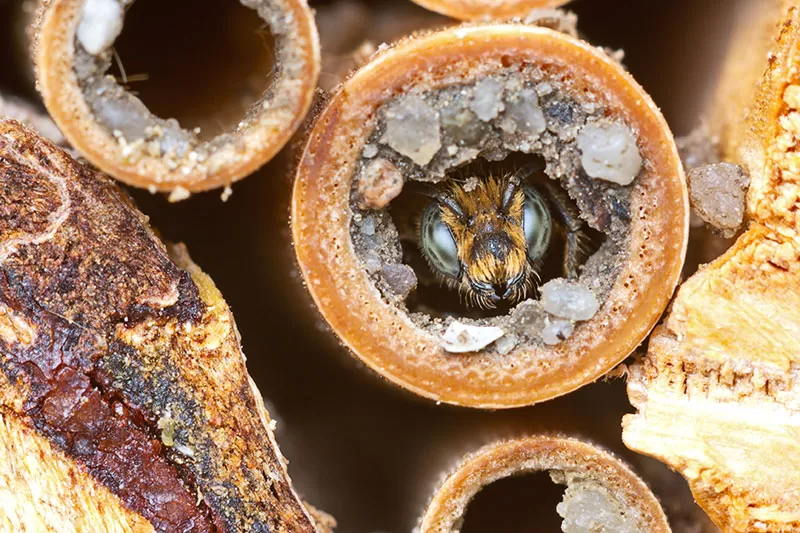
Not all bees live in hives. In fact, a lot of Aussie native bees are solitary and nest in tiny holes or in the ground.
You can help by:
- Leaving a small patch of bare soil
- Not over-mulching every inch of your garden
- Adding a bee hotel
And no, it doesn’t have to be fancy. A bundle of hollow stems works just fine.
Let Things Be a Little Messy
I know… this goes against every instinct but a slightly messy garden is a healthy garden.
- Leave some stems over winter
- Let herbs flower (see: basil above)
- Don’t deadhead everything immediately
Think “curated chaos” rather than “abandoned jungle.”
Your Bee-Friendly Garden Checklist
If you do just a few things:
- Plant bee-friendly flowers
- Keep something flowering year-round
- Provide water
- Avoid or minimise chemicals
- Leave a bit of habitat
You’ll go from “Where are the bees?” to “Wow, there are a LOT of bees” surprisingly fast. You don’t need to overhaul your entire garden.
Just make it a little more welcoming, a little more generous and a little less obsessed with perfection.
The bees will do the rest.
A Little Boost for Your Bee-Friendly Garden 🐝
Ready to get started? A few things from our shop that fit perfectly into a bee-friendly garden:
- Australian Wildflower Seed Bombs for Native Pollinators — a gorgeous mix of natives that bees absolutely love
- Australian Bush Tucker Collection Seed Bombs — edible natives that pull double duty for you and the bees
- Plantable Greeting Cards — because even your gifts can feed bees
Small additions, big impact.
FAQs – How to Attract Bees to Your Garden
Not at all. Even a small balcony with a few pots of bee-friendly plants like Grevillea or Borage can make a real difference. Bees are opportunistic and will find food wherever it’s available.
Native Australian bees are generally very docile and unlikely to sting unless directly handled. Most will simply go about their business foraging and pollinating, completely ignoring you.
It depends on what’s already growing nearby, but once you have flowering plants established you can expect to see results within a few weeks. Consistency is key — the more reliably your garden offers food and water, the faster bees will make it a regular stop.
Yes. A bee-friendly garden is perfectly compatible with family life. Simply avoid placing water sources or dense plantings directly in high-traffic play areas and teach kids to observe bees calmly rather than swatting at them.