If you’ve ever looked at your vege patch and thought, righto, who should be hanging out with who in here, companion planting is your answer.
At its simplest, companion planting is all about growing certain plants together so they can help each other along. Some confuse pests, some attract pollinators, some improve the soil and some just make better neighbours than others. It’s basically strategic friendship for your veggie garden, with fewer awkward group chats and more tomatoes.
It’s also one of those gardening ideas that feels very old-school in the best possible way. Gardeners have been doing it for generations and while not every pairing has a lab coat and clipboard behind it, plenty of combinations genuinely do make sense. Even better, companion planting is easy to try, low-risk and a smart way to build a healthier patch without reaching straight for the spray bottle.
If you want your vege patch to work a bit harder and look a bit livelier while it’s at it, this is a very good place to start.
What is companion planting?
Companion planting is the practice of growing plants together that benefit one another in some way. That benefit might be pest control, improved pollination, better soil health, shade, support or simply making better use of your growing space.
Some plants are the dream team of the veggie world. Others are more like two people who should never have been seated next to each other at a wedding.
The good stuff companion planting can help with includes:
- deterring pests naturally
- attracting beneficial insects
- improving soil fertility
- making better use of limited space
- reducing weeds
- creating a more diverse and resilient garden
In Australian gardens, that can be especially useful. Our heat can be brutal, pests can be persistent and conditions can swing around depending on where you live. Companion planting won’t solve every gardening problem known to humankind but it can absolutely stack the odds in your favour.
Why companion planting works
Plants are not nearly as passive as they look. They release scents, chemicals and signals into the world around them and those things can influence what happens nearby.
Some strong-smelling herbs can help mask the scent of vegetables that pests are trying to sniff out. Flowers can bring in pollinators and predatory insects that keep the bad bugs in check. Legumes can improve the soil by helping add nitrogen. Taller plants can give smaller plants shade or protection from wind. Groundcovers can keep moisture in and weeds down.
Then there’s the push-pull effect, which sounds a bit fancy but is really just clever plant placement. Some plants help push pests away while others lure them in. Nasturtiums are a classic example. Aphids often flock to them, which is annoying for the Nasturtiums but excellent news if they leave your beans and brassicas alone.
That’s the beauty of companion planting. It turns your patch into a system rather than just a collection of random crops shoved into the same bed and told to get along.
Great companion planting combos for Australian vege patches
Some plant pairings have earned their place again and again. They’re practical, reliable and easy to try in a backyard veggie garden.
Tomatoes and Basil
This is the poster child for companion planting and thankfully it’s not just garden folklore dressed up in a Mediterranean accent.
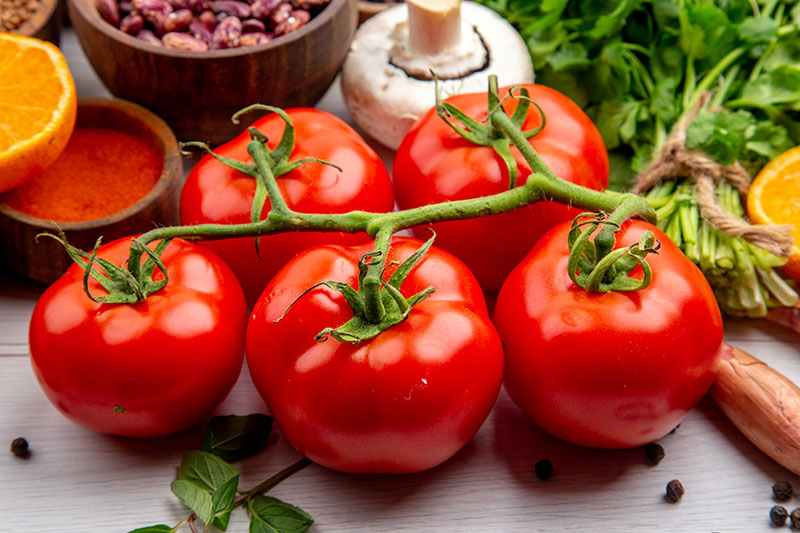
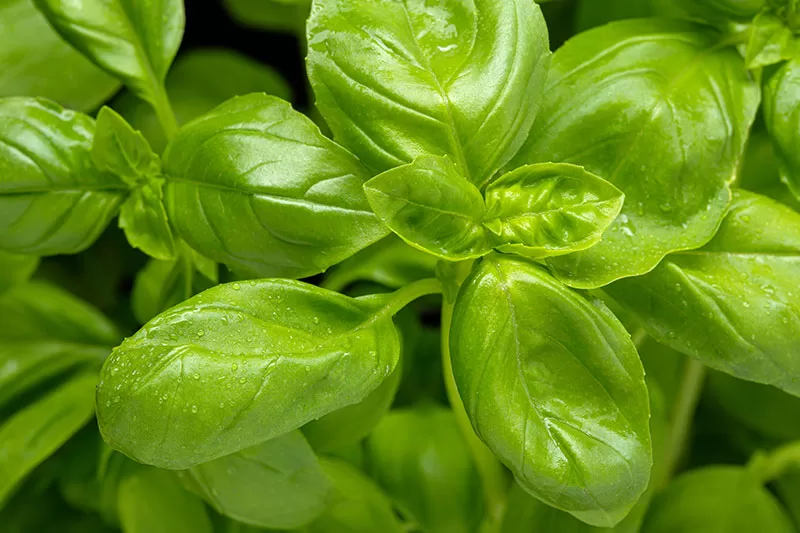
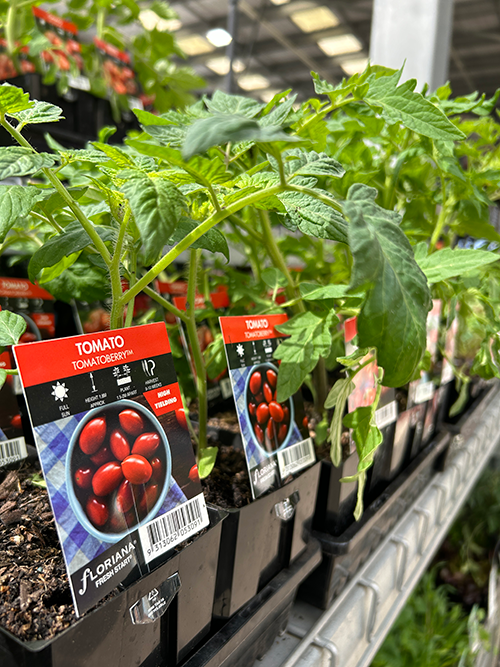
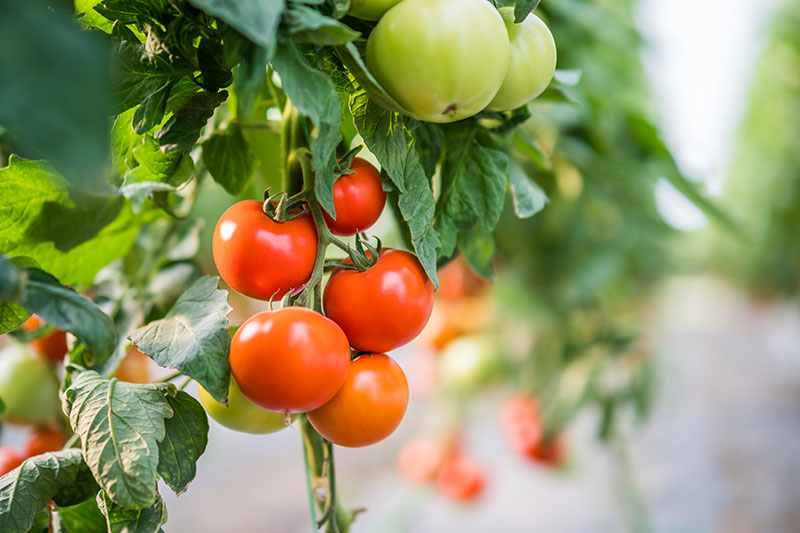
Tomatoes and basil like similar conditions, warm weather, full sun and regular water. Basil may also help confuse or deter some pests around tomatoes and it certainly earns its keep in the kitchen.
Also, if you’ve ever brushed past basil on a warm day, you already know it’s pulling its aromatic weight.
Hot tip: Plant several basil plants around each tomato for best chance of benefitting.
Carrots and Onions
A very sensible duo.
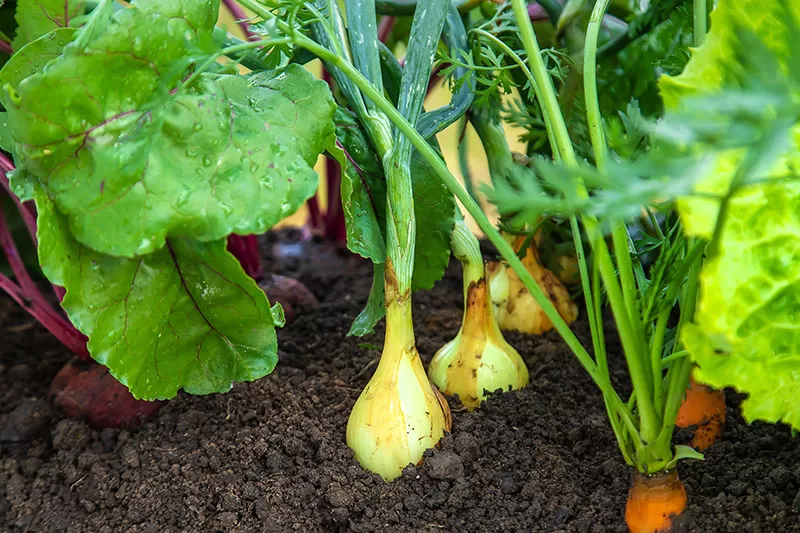
Onions have a strong scent that may help confuse pests looking for carrots. Carrots, meanwhile, are happy to share space and grow neatly alongside onions in alternating rows.
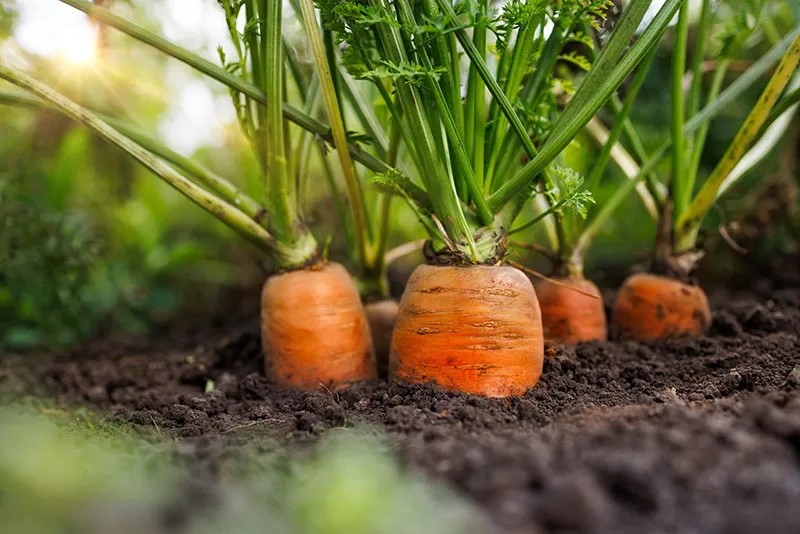
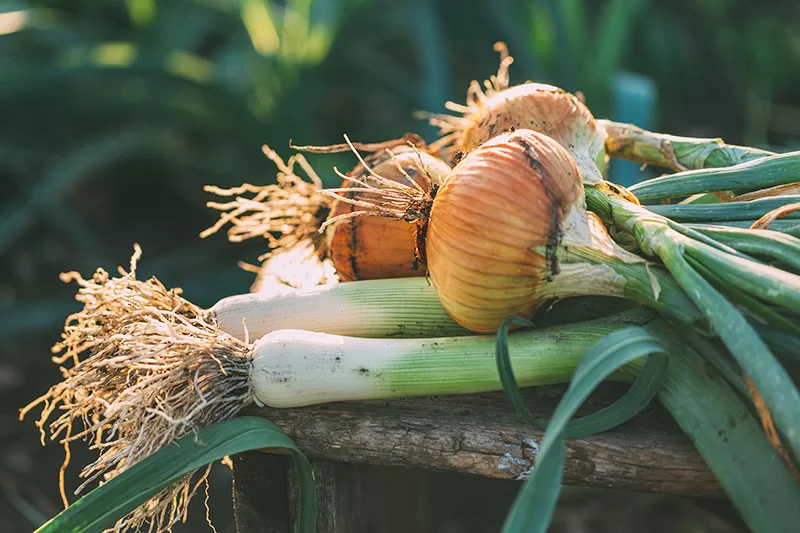
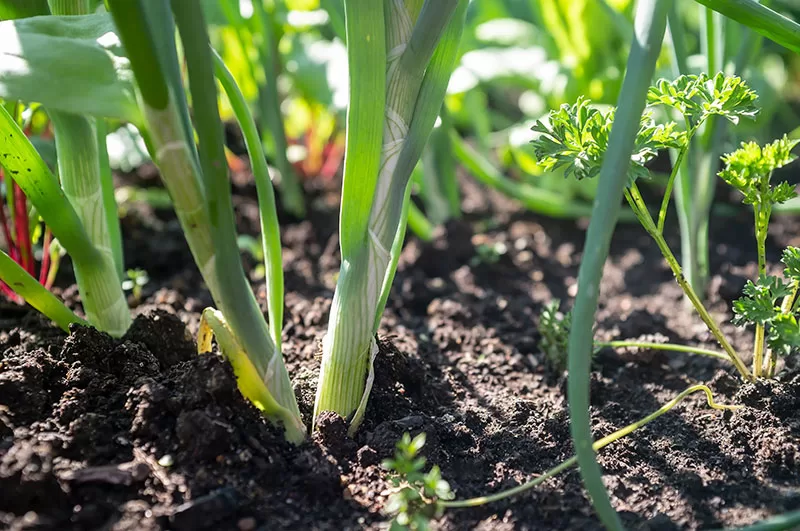
This pairing works especially well in smaller veggie patches because both crops are fairly compact and don’t carry on like they own the place.
Corn, Beans and Pumpkin
Often called the Three Sisters, this is one of the great classic planting combinations.
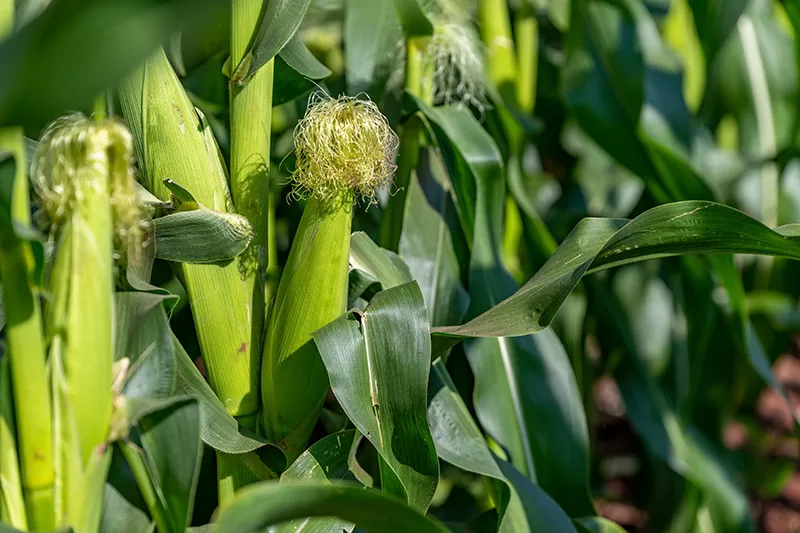
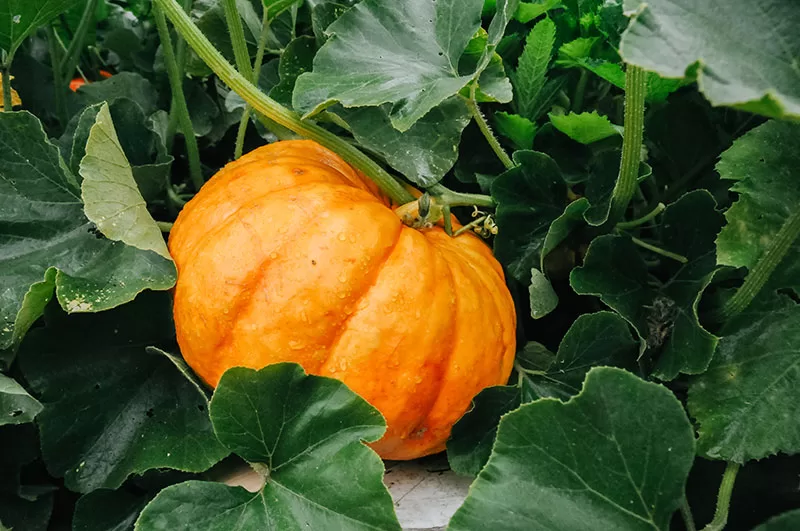
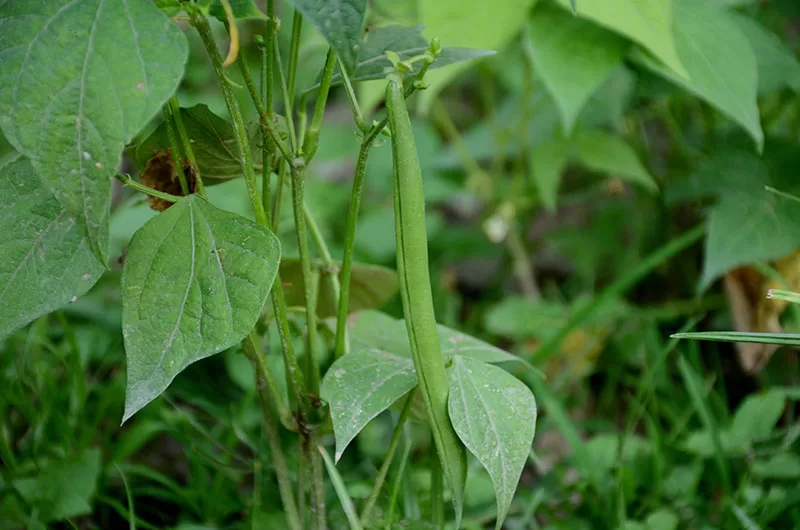
Corn grows tall and provides support for climbing beans. Beans help improve the soil by fixing nitrogen. Pumpkin sprawls along the ground, shading the soil, keeping weeds down and helping moisture stick around longer.
It’s smart, productive and makes perfect sense once you see it in action. In warmer parts of Australia, this combo can work beautifully.
Cabbage and Dill
Not an obvious pair but a very useful one.
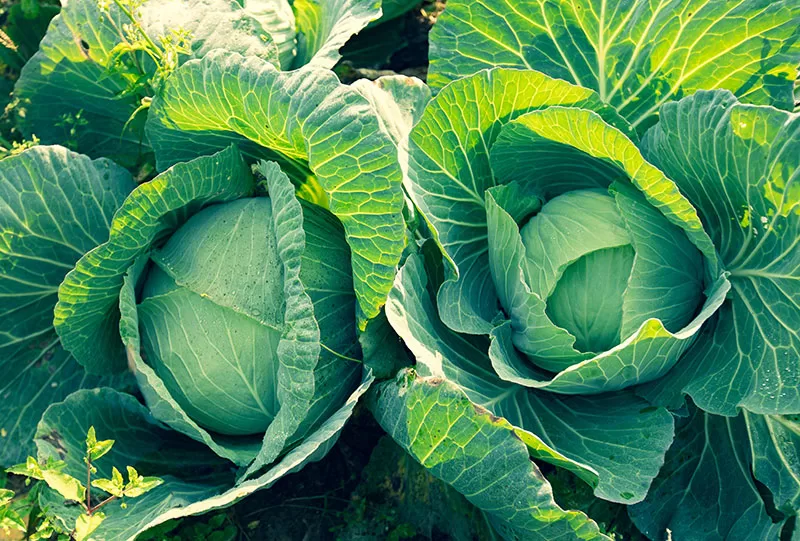
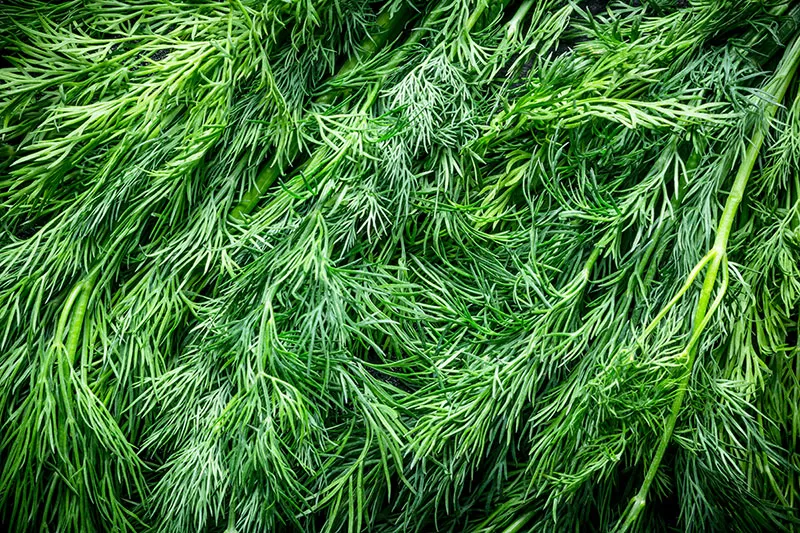
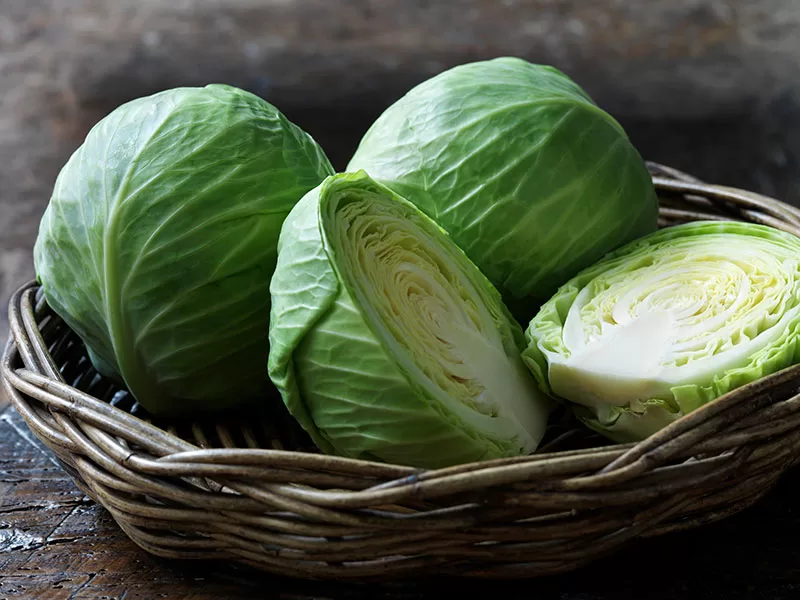
Dill attracts beneficial insects including parasitic wasps, which are tiny garden heroes that help deal with caterpillars and other pests that love Brassicas far more than we do.
So while your Cabbage is busy trying not to be eaten alive, Dill is out there quietly recruiting backup.
Lettuce and Radish
This one is great if you like quick results.
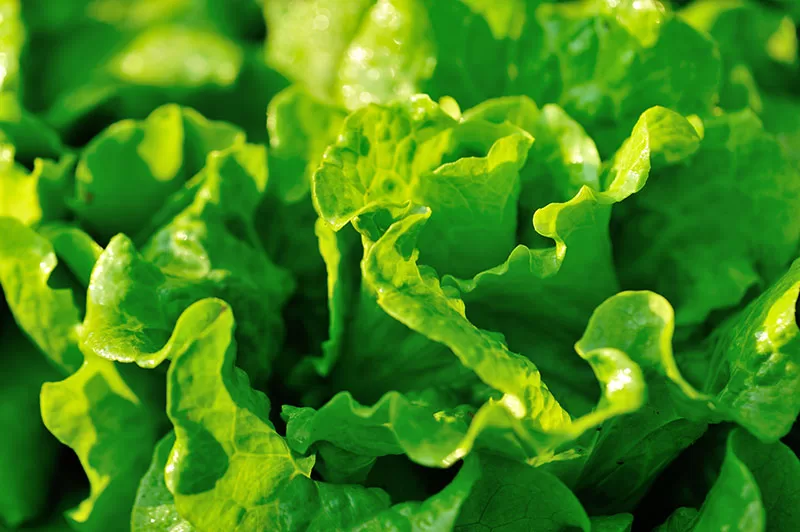
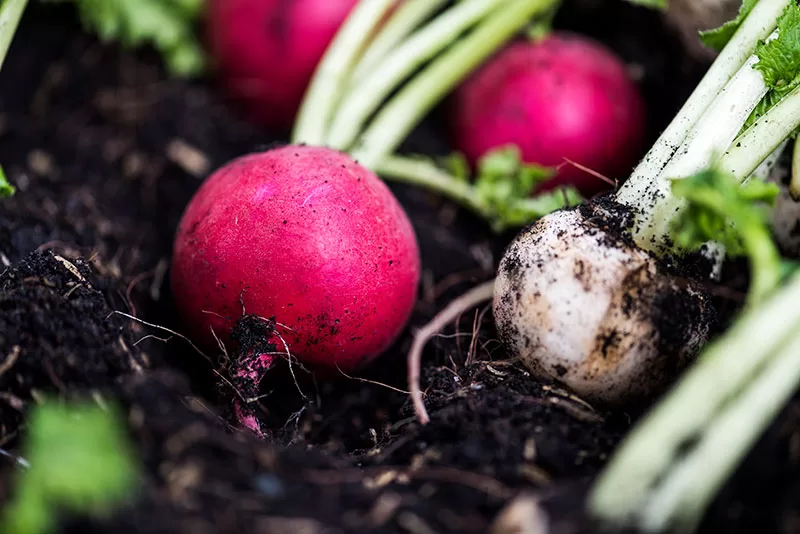
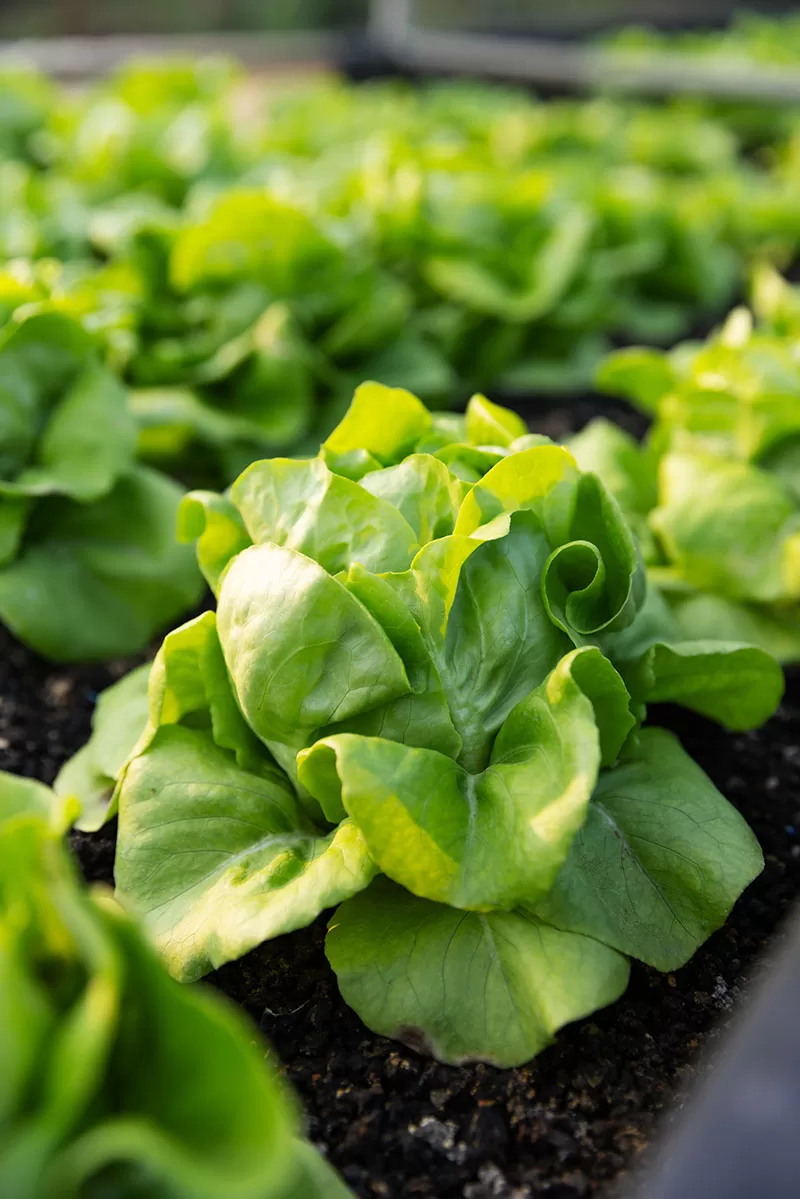
Radishes grow fast and help mark where you’ve sown your rows. Lettuce grows happily nearby and benefits from a bit of shelter if planted among slightly taller crops. Both are quick to harvest and ideal for filling gaps while slower vegetables get themselves organised.
Flowers that earn their keep
Flowers in the vege patch are not just there to look pretty, although that is obviously a bonus. In a good companion planting setup, flowers are doing actual work.
Marigolds
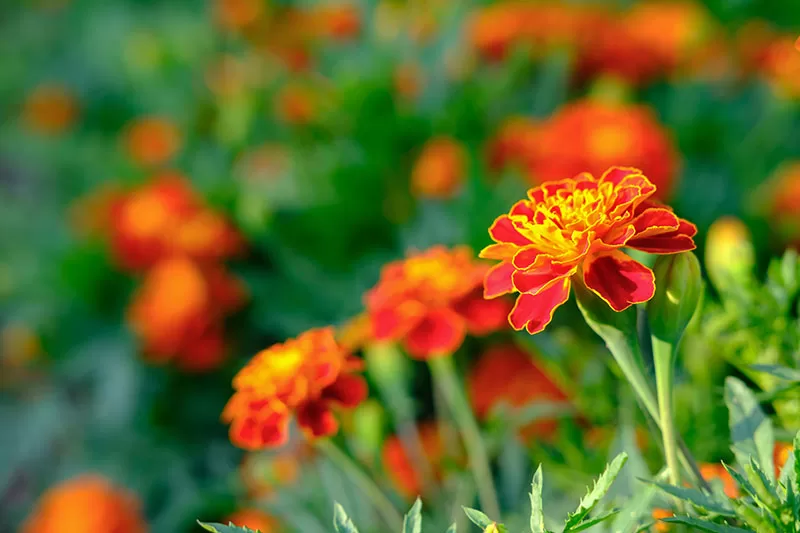
Marigolds are the little powerhouses of the veggie garden.
They attract beneficial insects and are often used to help deter certain pests. French Marigolds in particular are commonly mentioned for their role in managing Root-Knot Nematodes. Even when they’re not out there performing miracles underground, they still earn a spot for the pollinator power alone.
Nasturtiums
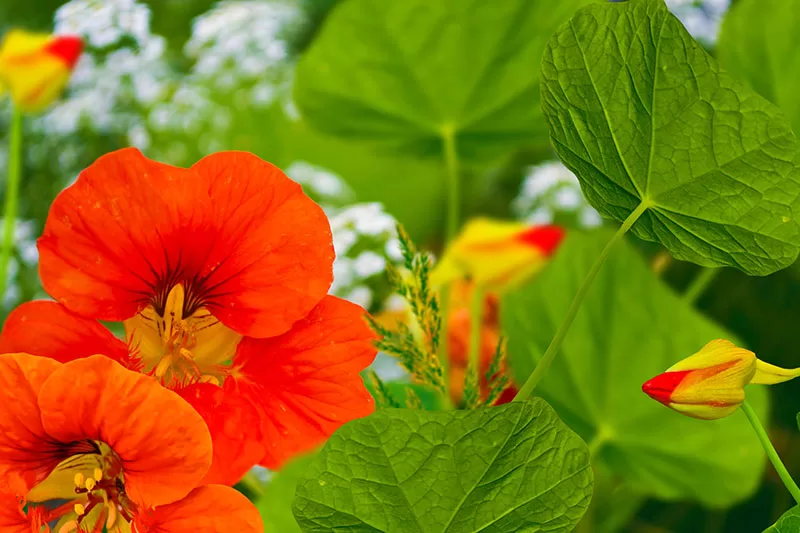
Nasturtiums are the sacrificial lambs of the companion planting world.
They attract Aphids and caterpillars away from more precious crops and they trail beautifully around the edges of beds. Their flowers are edible too, which makes them one of the few trap crops you can also chuck in a salad.
Alyssum
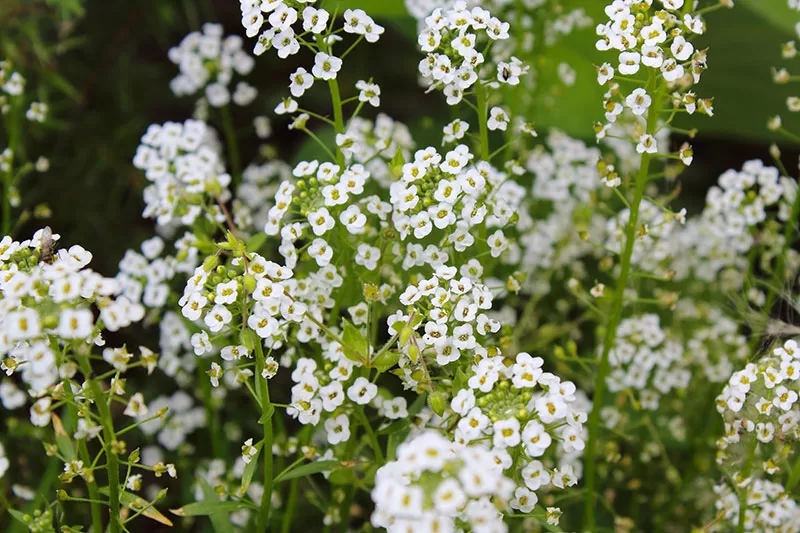
Tiny flowers, huge value.
Alyssum attracts hoverflies and other beneficial insects and works brilliantly planted along the edges of veggie beds or tucked between crops. It also acts as a low, living groundcover, which helps keep soil cooler and weeds down.
Herbs that Punch Above their Weight
Herbs are absolute workhorses in the vege patch. They smell good, look good and many of them help confuse or deter pests.
A few worth weaving through your beds include:
- Basil, especially with Tomatoes and Capsicums
- Chives, which may help deter Aphids
- Rosemary, which is often paired with Brassicas
- Sage, another handy herb around cabbage-family crops
- Mint, which can help repel some pests but should be kept in a pot unless you’re keen on a full-scale mint invasion
The trick is not to dump all your herbs in one polite little corner and call it done. Scatter them through the patch so their scent and benefits are spread around.
If you’re planning your next round of planting, this is also the perfect point to stock up on seeds from the shop so your companion planting plans don’t remain a lovely theory scribbled on the back of an envelope.
Don’t Forget the Flowers and Natives Around the Edges
One of the best things you can do for your veggie patch is think beyond the vegetables themselves.
Australian native plants can be brilliant support acts, especially around the perimeter of the patch or elsewhere nearby in the garden. Grevilleas, Correas, Callistemons and Banksias can help attract pollinators and beneficial insects over a longer season than many annual flowers.
Native daisies like Brachyscome are especially useful too, with open flowers that make it easy for bees and hoverflies to access nectar.
A diverse garden is a more resilient garden. When there’s always something in flower, the good bugs are more likely to stick around instead of just popping in for a quick snack and disappearing again.
A Quick Word on Soil pH
This bit gets overlooked all the time.
You can pair all the right plants together and still end up with a disappointing result if your soil pH is off. Most vegetables prefer slightly acidic to neutral soil, roughly around pH 6 to 7. If the pH is too high or too low, nutrients can become harder for plants to access, even if the soil looks rich and you’ve been very generous with the compost.
So if your companion planting combos seem to be underperforming, don’t immediately blame the plants. The problem might be under your feet, not between the rows.
What Not to Plant Together
Not every plant pairing is a winner. Some compete too hard, some share disease problems and some just seem determined to make life difficult.
A few combinations worth avoiding are:
- Tomatoes and Potatoes, as they can share similar diseases
- Onions and Beans, as Onions can inhibit bean growth
- Brassicas and Strawberries, as they compete for nutrients
- Fennel and pretty much everybody
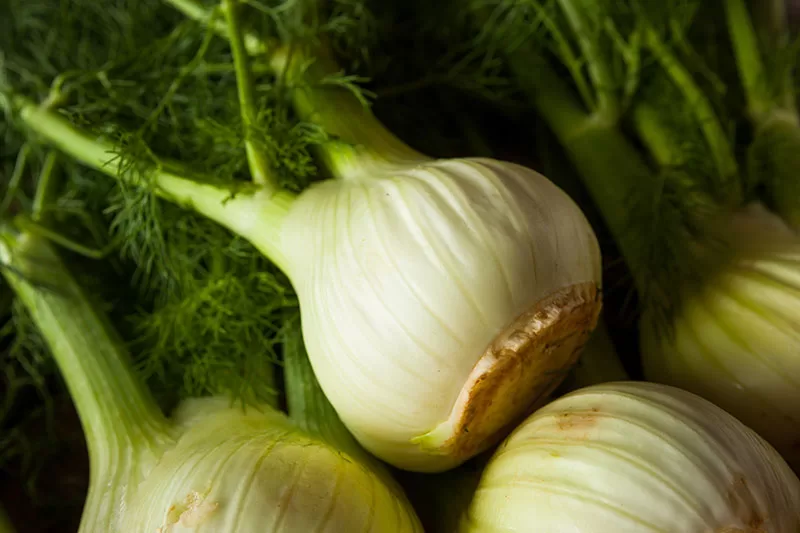
Fennel, in particular, is a bit of a troublemaker. It releases natural chemicals that can suppress the growth of nearby plants, so it’s best given its own space well away from the rest of the vege patch.
Useful, yes. Sociable, not even slightly.
Companion Planting for Australian Conditions
Companion planting is not one-size-fits-all, especially in Australia.
What works beautifully in a Sydney Summer may be hopeless in a frosty inland Winter or a humid subtropical patch. The trick is to work with your season and your region rather than blindly following a chart from somewhere with completely different conditions.
In warmer areas, use taller plants to provide a bit of shade for more delicate crops and consider drought-tolerant herbs like Rosemary and Oregano. In cooler climates, make the most of every bit of sunlight and use fast-growing crops like Radish or Lettuce to fill seasonal gaps.
Through all of it, diversity is your friend. A mixed patch tends to be healthier, more balanced and less vulnerable to pest blowouts than a big monocrop bed of the same thing.
Easy Ways to Start Without Overcomplicating It
You do not need a colour-coded master plan and a spreadsheet to try companion planting.
Start with a few easy combinations:
- Tomatoes, Basil and Marigolds
- Carrots and Onions
- Lettuce and Radish
- Cabbage and Dill
- Peas and Spinach in the cooler months
Mix compatible plants together rather than planting everything in strict rows. Use flowers along bed edges. Grow climbing plants vertically and let groundcovers spread underneath. Let the patch feel like a little ecosystem rather than a military operation.
A Few Mistakes to Avoid
Companion planting is helpful but it is not a miracle cure for chaos.
A few common mistakes include:
- Overcrowding plants and killing airflow
- Ignoring sun and water needs
- Expecting one Marigold to solve all pest issues known to man
- Skipping crop rotation and soil care
- Giving up too quickly if one combo doesn’t perform perfectly
Start small, observe what happens and adjust as you go. That’s gardening in a nutshell really, a mix of good intentions, mild experimentation and occasional muttering.
Why it’s Worth Trying
There’s something deeply satisfying about a vege patch that feels alive and balanced instead of constantly on the brink of disaster.
Companion planting helps you garden a bit smarter. It can reduce pest pressure, improve pollination, make better use of space and create a patch that looks far more inviting than a few lonely rows of vegetables baking in the sun.
It also encourages you to think about your garden as a whole system, which is usually when things start getting interesting.
And frankly, anything that helps you grow better food with fewer dramas deserves a spot in the patch.
If you’re keen to put companion planting into practice, starting with a classic pairing makes life easy. Carrots and Onions are one of the best-known veggie garden duos, with onions helping to confuse pests looking for carrots while both crops share space beautifully in the same bed.
If you’re planning your next planting round, our seed range is a great place to start, especially if you want to grow clever combinations instead of just chucking things in and hoping for the best.
FAQs – Companion Planting in Vegetable Gardens
Companion planting has a strong tradition behind it and many combinations are supported by real gardener experience, but the science is still mixed. Results vary depending on your soil, climate and local pest pressures, so it is best approached as a low-risk strategy worth experimenting with rather than a guaranteed fix.
One basil plant next to a tomato is unlikely to make a noticeable difference. For better results, plant several basil plants around each tomato. The more basil you have in the patch, the greater the chance of seeing any pest-deterring benefit.
Fennel is best kept well away from your vegetable beds as it releases compounds through its roots that can stunt the growth of a wide range of common crops including tomatoes, beans and brassicas. Grow it in a pot or give it its own dedicated corner of the garden at least a metre or two from everything else.
Some companion flowers like marigolds and nasturtiums are annuals and will need to be replanted each season, though nasturtiums often self-seed and pop up on their own. Perennial companions like alyssum, chives and many native flowers will return year after year with minimal effort.