If you want a garden that keeps pulling its weight for months instead of giving you one flashy performance then promptly going on smoko, long flowering plants are the answer.
These are the plants that keep the colour coming through the warmer months and in some cases well beyond. They make garden beds look fuller for longer, stop pots from slipping into that sad “all leaves, no action” phase and help keep bees, butterflies and birds interested too. In an Australian garden, that kind of reliability is gold.
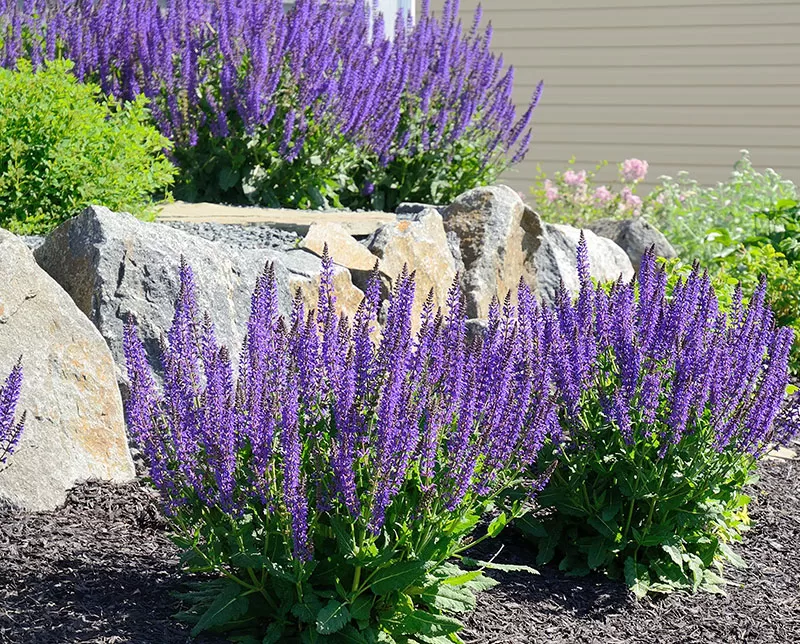
The good news is there is no shortage of long flowering plants that suit Australian conditions. Some are tough natives built for heat, wind and dry spells. Others are old garden favourites that just keep producing when they are given sun, decent drainage and the occasional haircut.
The trick is choosing the right plant for your climate and not expecting miracles from something that hates your conditions. Plants are generous but they are not magicians.
What Makes a Plant Long Flowering?
Not every flowering plant is built for the long haul. Some explode into bloom for a few glorious weeks then disappear into the background like a washed up pop star. Long flowering plants are different. They bloom in waves, keep pushing out fresh flowers over an extended season or spot flower for months when conditions suit them.
The best performers usually have a few things in common. They thrive in full sun, respond well to deadheading or light pruning and cope with heat and dry spells once established. That does not mean they flower every single day of the year. It means they give you a lot more colour for a lot longer than the average diva.
Salvia
If you want one of the easiest and most rewarding long flowering plants, start with Salvia. It is one of the true workhorses of the garden and there is a variety for just about every style, from cottage gardens to modern borders.
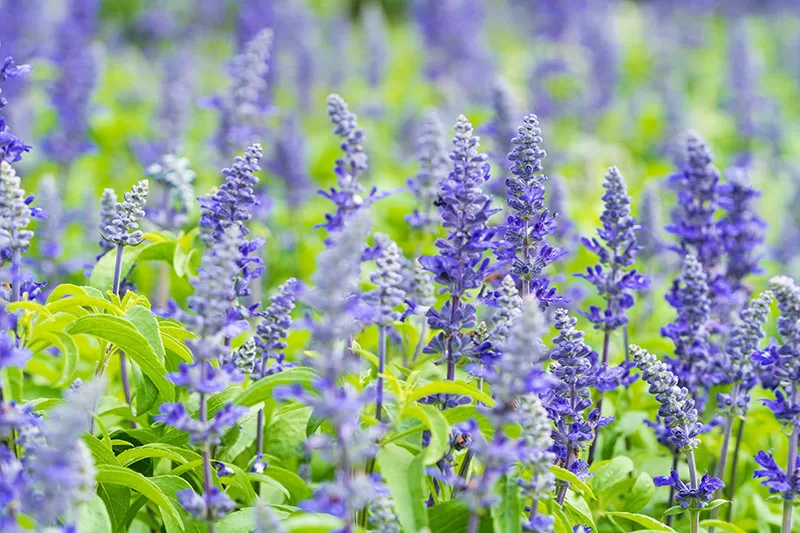
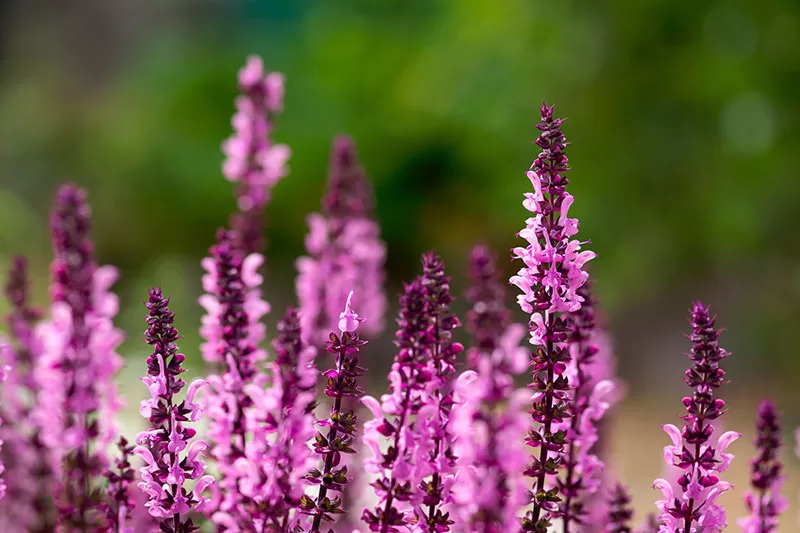
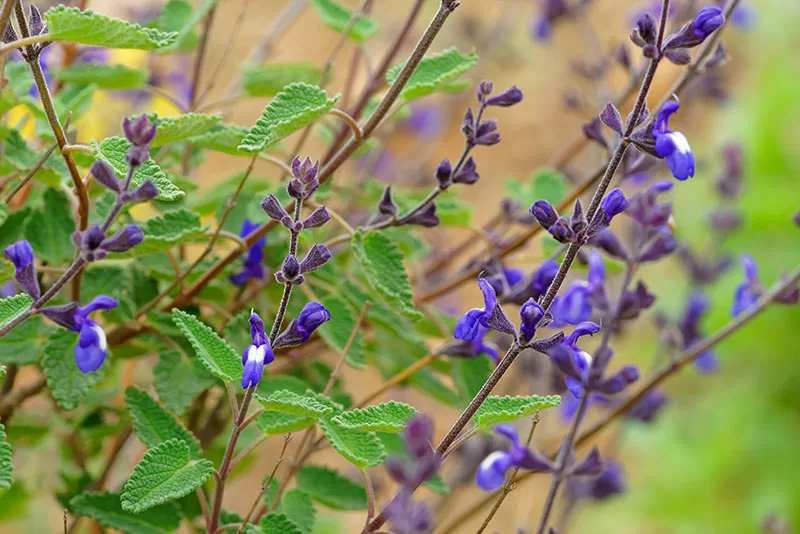
Salvias flower across a long stretch from Spring through Summer and Autumn depending on the type. You can find them in purples, blues, reds, pinks and whites and they are brilliant for attracting bees. They like full sun, decent drainage and a light trim after flowering to keep them producing. If you are new to long flowering plants, Salvia is a very smart place to begin.
Fan Flower – Scaevola aemula
This Australian native deserves a lot more love. Fan flower produces masses of blooms in shades of blue, mauve, purple, pink and white and keeps going for months. Some forms peak in Spring, then flower again through Summer and Autumn, with spot flowering at other times as well.
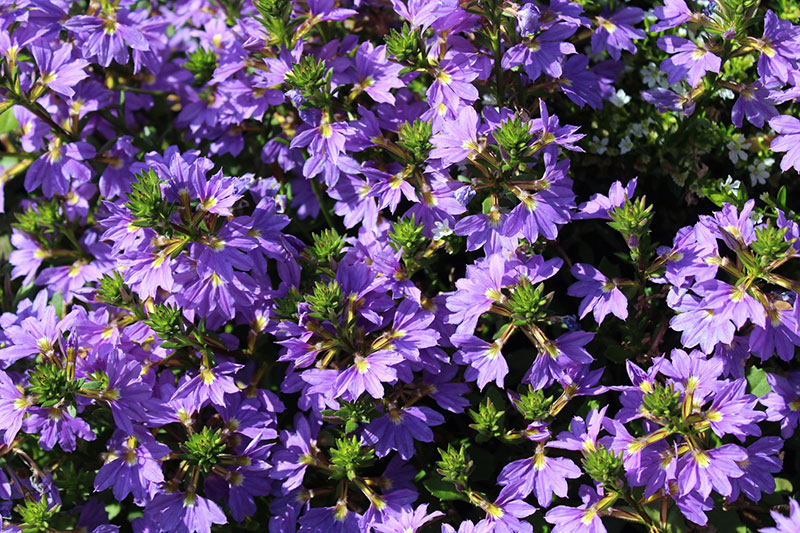
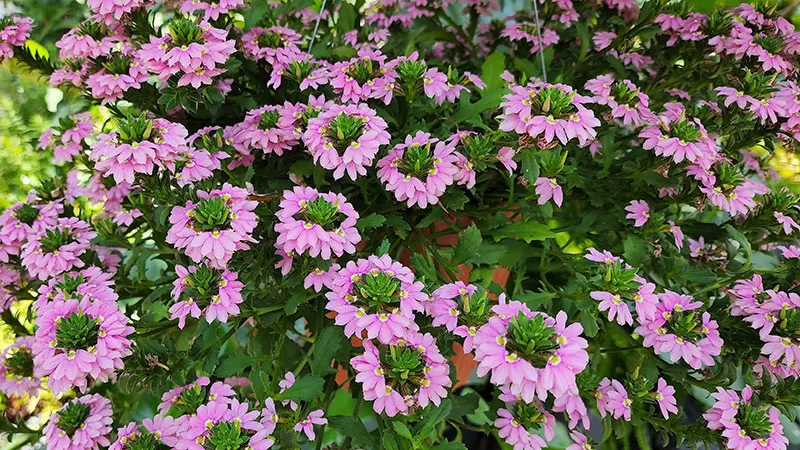
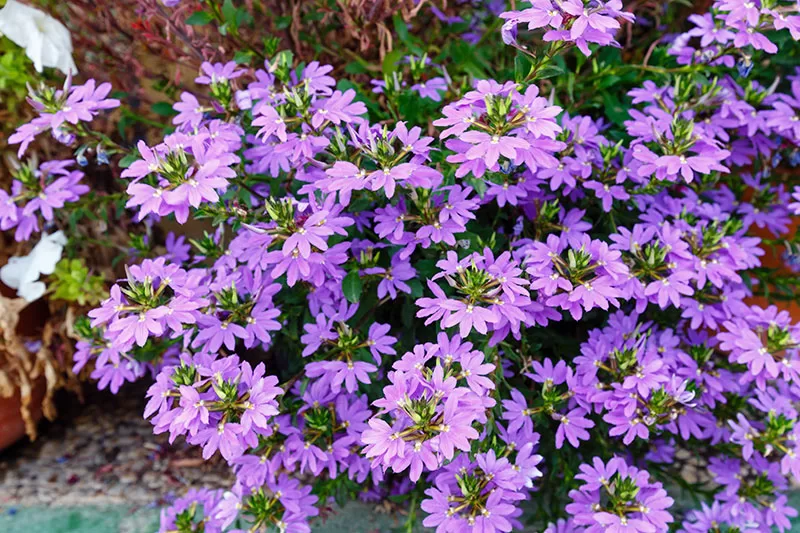
It has a naturally mounding, trailing habit, so it looks brilliant tumbling over the edge of pots, hanging baskets and retaining walls. Once established it handles heat and dry conditions well.
Give it full sun and well drained soil and do not drown it with kindness. That is how plenty of good plants meet an unnecessary end.
Pentas – Pentas lanceolata
Pentas is a beauty for warm climates and sunny spots. It pumps out clusters of starry flowers in pink, red, white and lilac tones and keeps performing when other plants start looking a bit cooked.
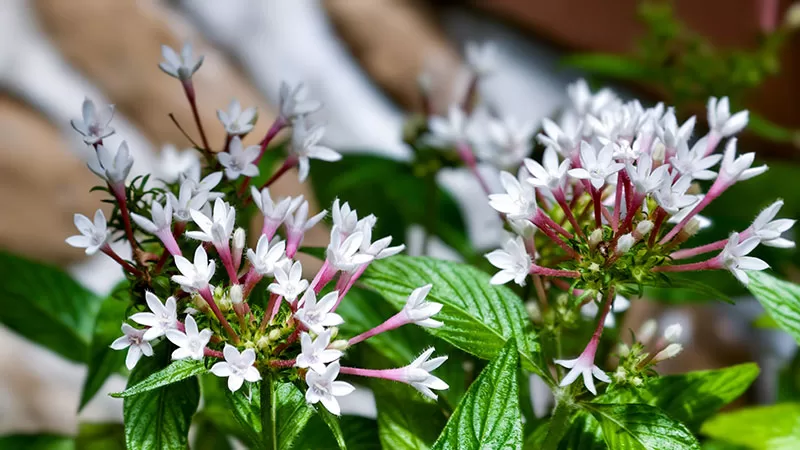
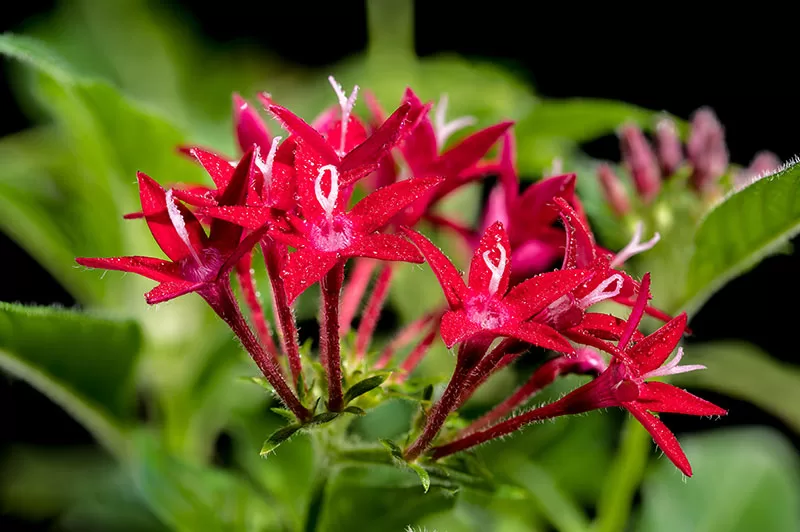
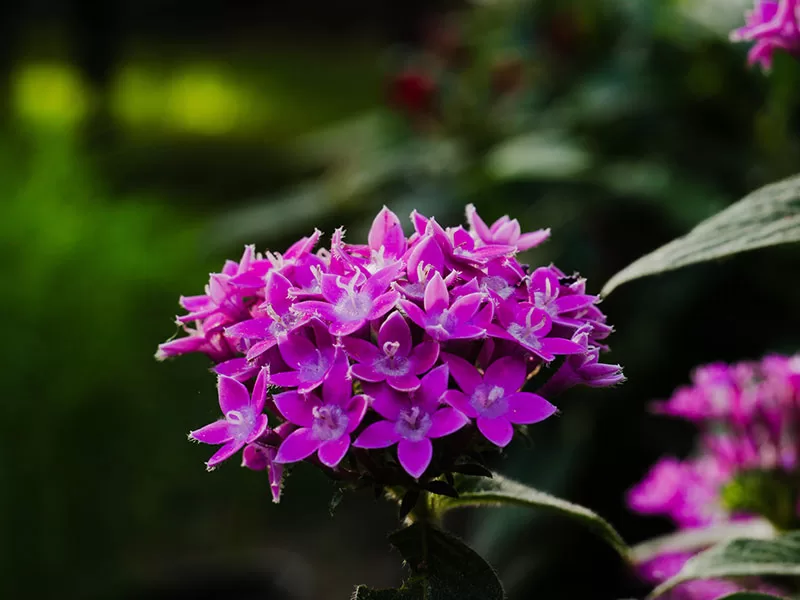
It is especially useful in tropical and subtropical gardens and it is a magnet for butterflies. If you want long colour in a bright position, Pentas is a strong contender. It works beautifully in pots as well, which makes it handy if your garden space is more balcony than backyard.
Verbena
Verbena is one of those plants that quietly gets on with the job. It flowers for months, comes in both upright and trailing forms and works in garden beds, pots and hanging baskets.
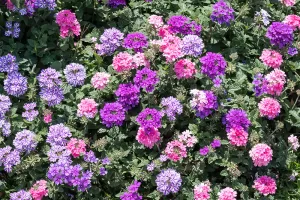
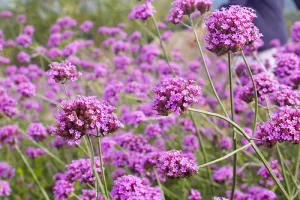
The flower heads sit above the foliage and keep bringing colour from Spring through Summer and often into Autumn. It loves full sun and sharp drainage and a quick trim every now and then helps keep it tidy and flowering well.
It is one of the easiest ways to fill gaps with colour without creating extra work for yourself. Which frankly feels like the dream.
Brachyscome / Swan River Daisy – Brachyscome iberidifolia
If you love daisies, this one is pure happiness. Swan River Daisy is an Australian annual that produces masses of cheerful flowers in shades of mauve, blue, purple, pink and white.
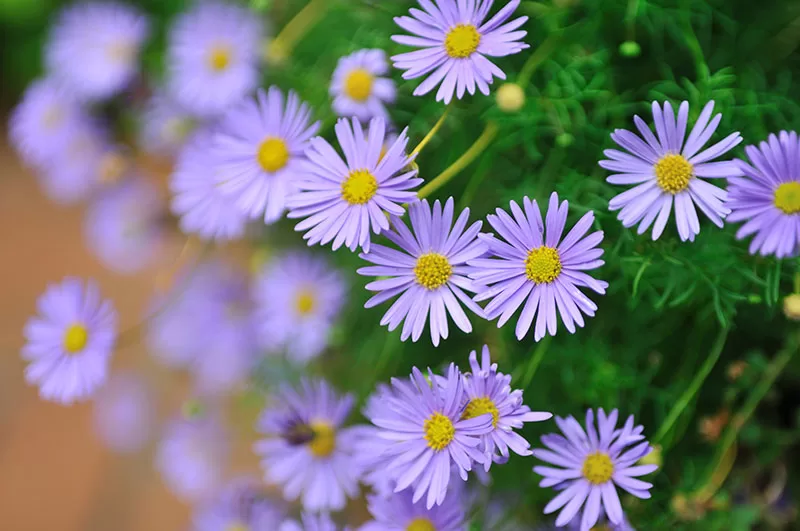
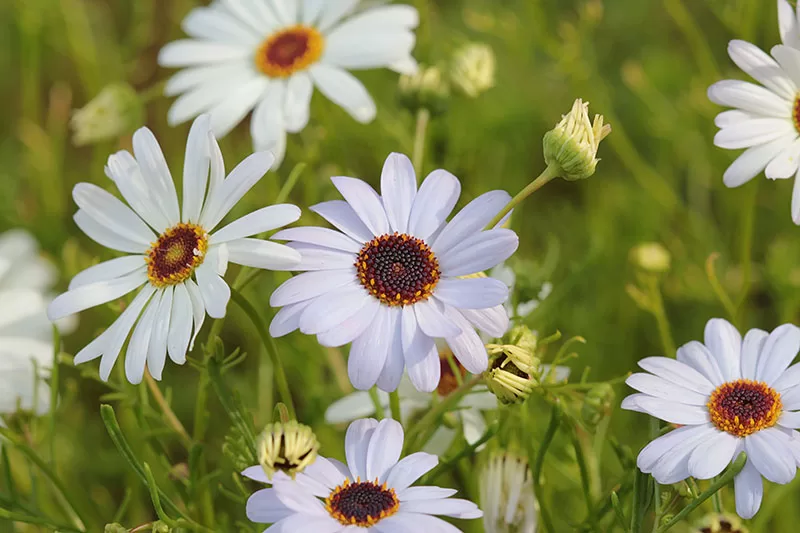
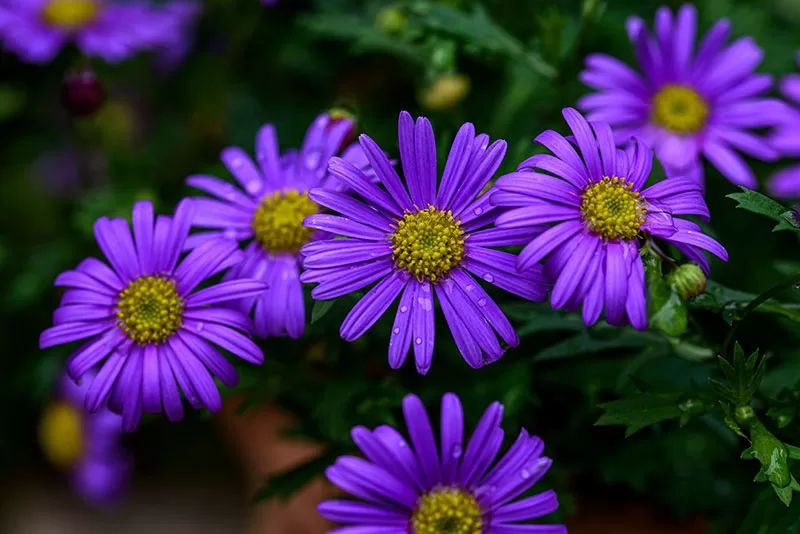
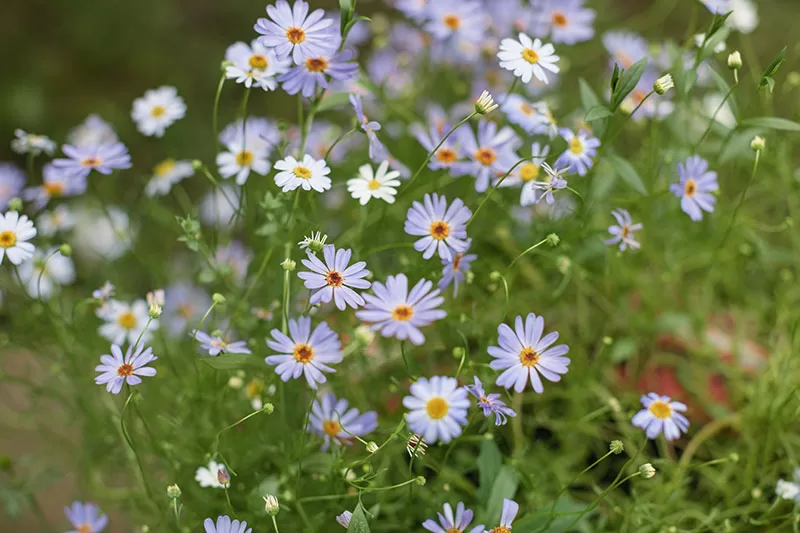
It is strongest in Spring and can keep going into late Spring and Summer, especially if you trim off spent flowers after the first flush. It is ideal for borders, pots, baskets and anywhere you want a soft drift of colour without a lot of fuss. In warmer climates, Autumn sowing can give you an even better Spring display.
Speaking of easy ways to keep the colour going, our Wildflowers for Native Pollinators Seed Bombs are a lovely fit here. They are a simple way to add extra flowers to pots or bare patches while helping keep the garden buzzing with life.
Kangaroo Paw – Anigozanthos species
For something bolder and unapologetically Australian, Kangaroo Paw is hard to beat. The flower spikes come in rich shades of red, orange, yellow, pink and green and they bring instant drama to a garden.
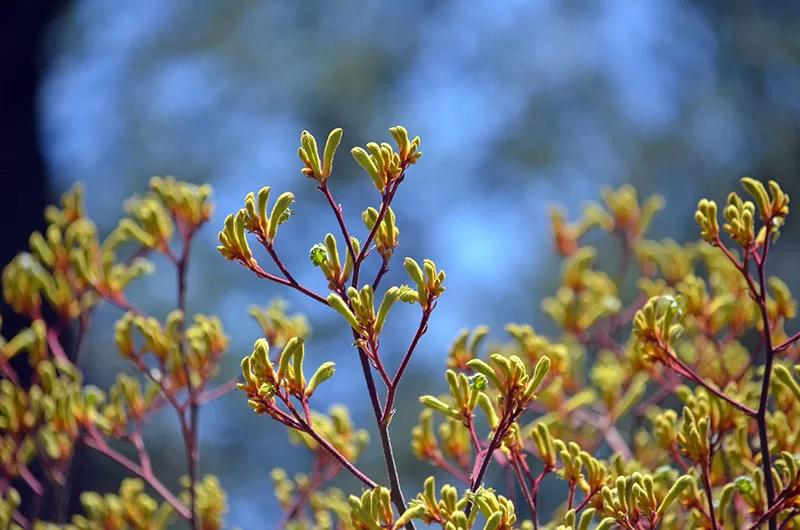
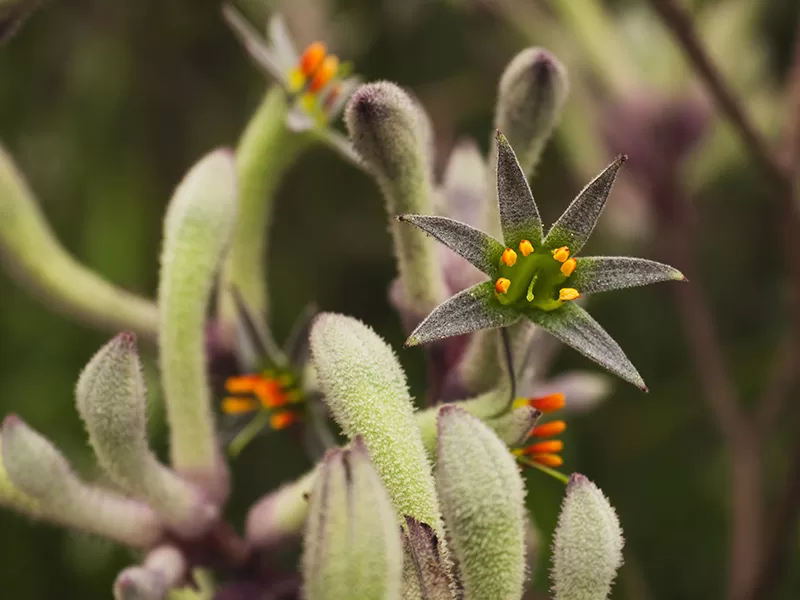
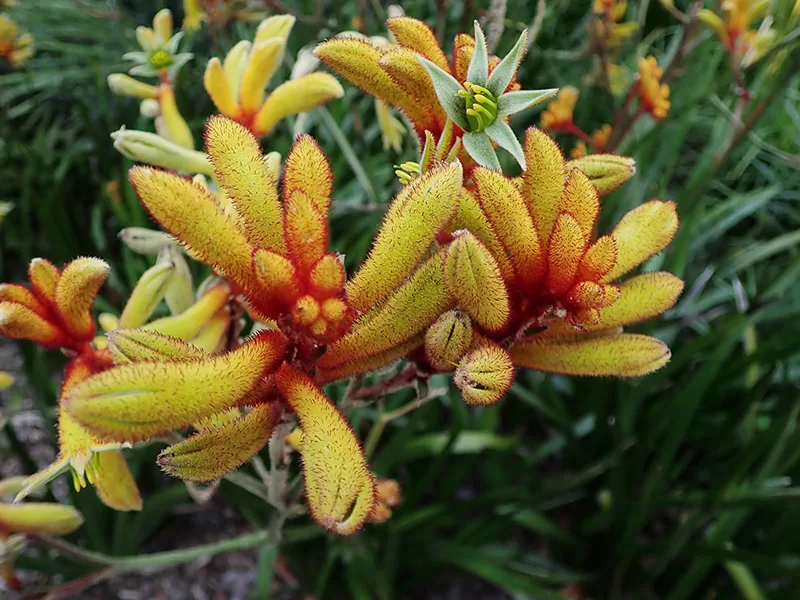
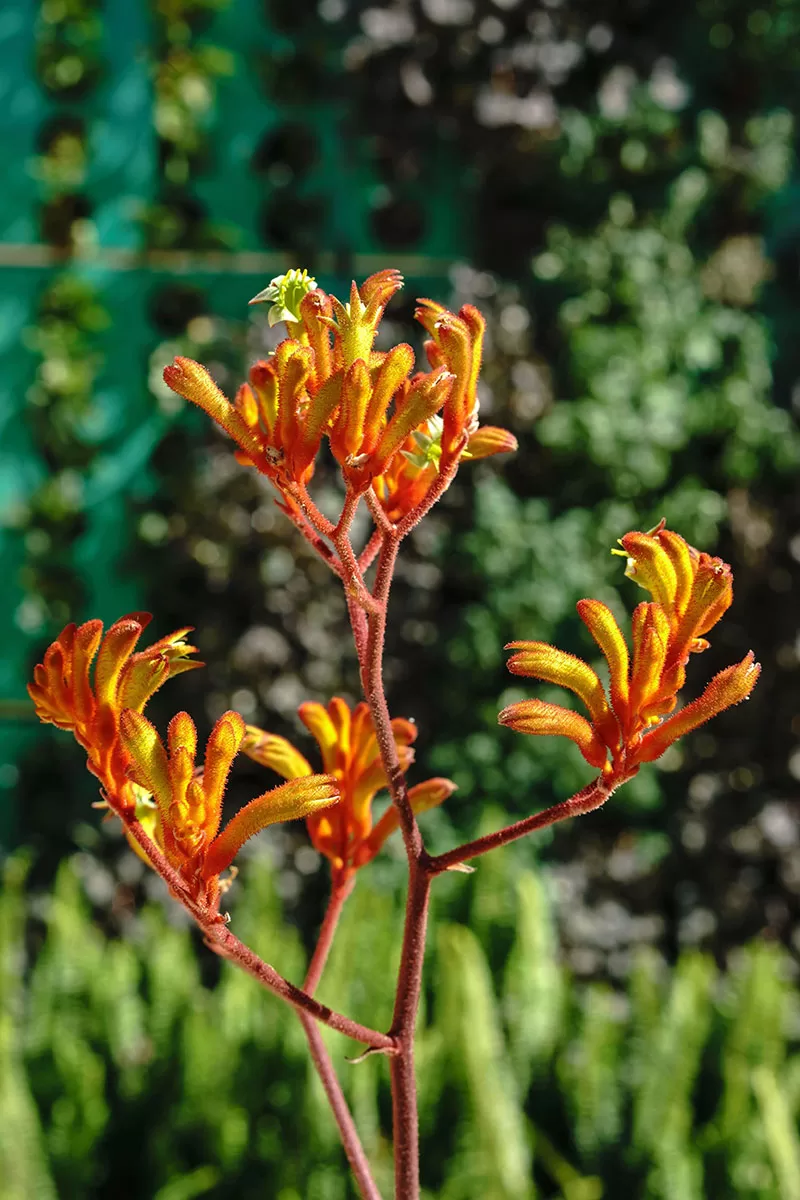
Many types flower through Spring and Summer and some modern cultivars bloom far longer. They need full sun and very good drainage. Humidity can shorten the life of some kinds but others are tougher and more adaptable, so it is worth choosing the right variety for your area.
Remove spent flower stems down low and keep the plant tidy to encourage fresh growth and more blooms.
Geranium / Pelargonium – Pelargonium species
They’re old school but Pelargoniums are still popular for good reason. They flower for a very long time, cope with a range of conditions and are excellent in pots, courtyards and sunny spots near the house.
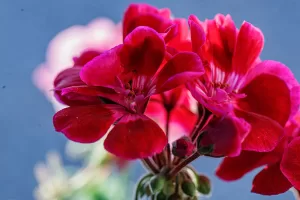
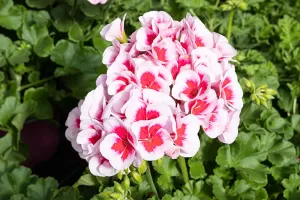
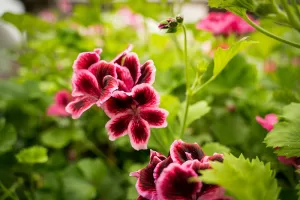
They like sun, sharp drainage and the occasional deadhead. If they get leggy, cut them back and they will usually come back looking far more respectable. They are dependable, colourful and very forgiving, which is more than can be said for some plants and several people.
Marguerite Daisy – Argyranthemum frutescens
If you like a classic daisy look, Marguerite Daisy is a ripper. It flowers generously in the right conditions and suits cottage gardens, sunny pots and coastal plantings beautifully.
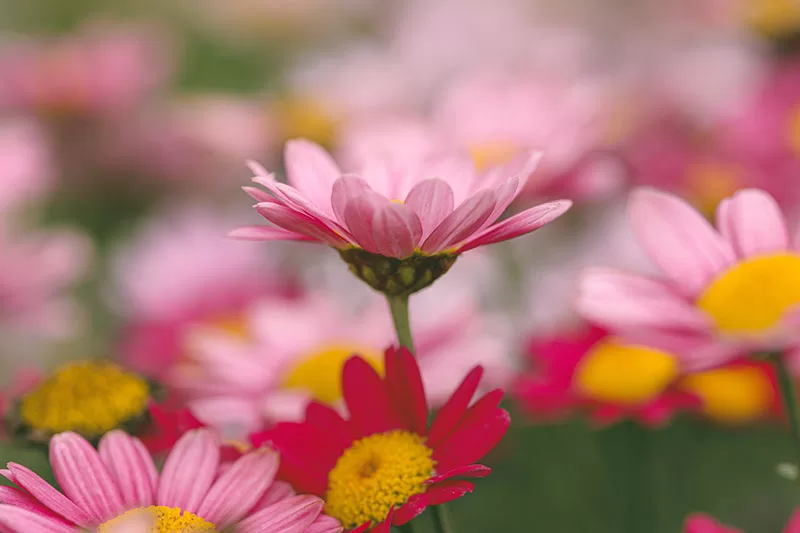
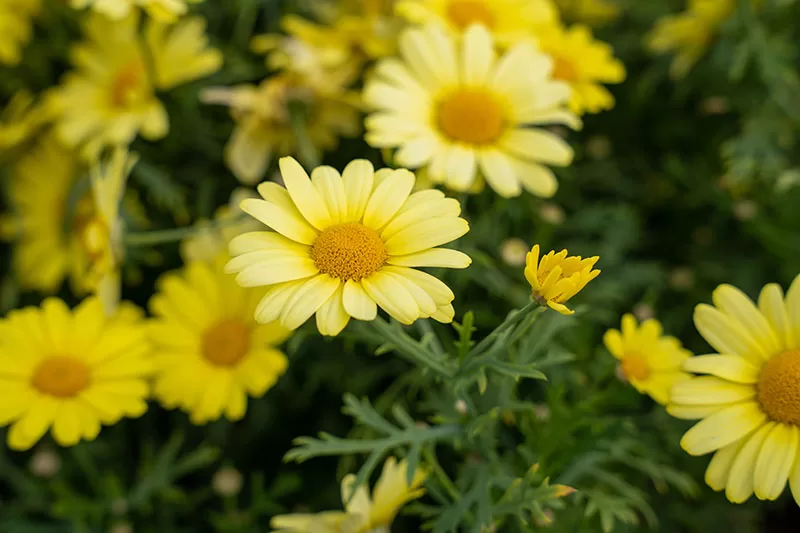
The blooms come in white, pink and soft yellow and they pair beautifully with Salvias and Verbena. Deadheading and a light trim after a strong flush will help keep the show going. It is bright, cheerful and very hard to dislike. Unless you are dead inside.
Coreopsis
Coreopsis is one of the most underused long flowering plants around. It produces a steady run of sunny daisy-like flowers in yellow, gold, red and bi-colour shades through the warmer months.
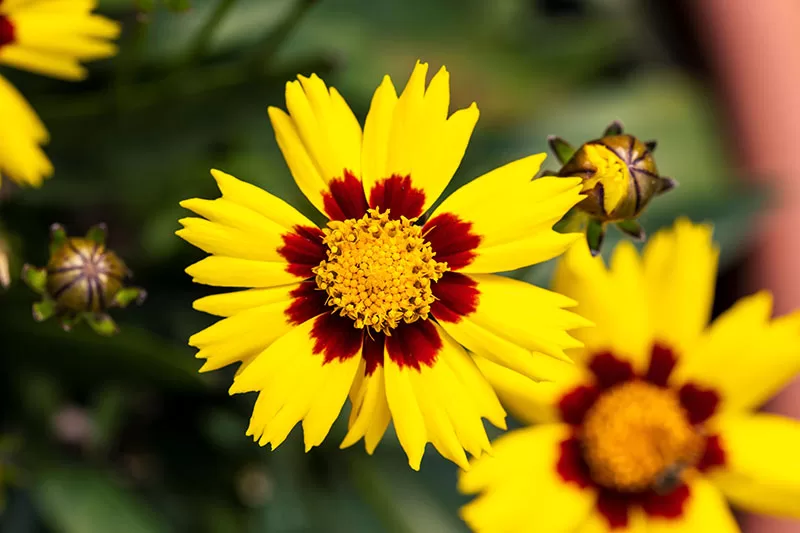
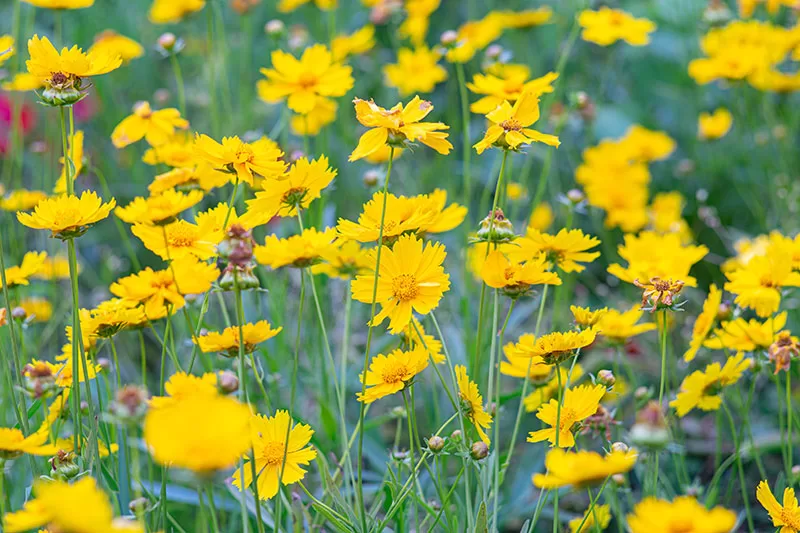
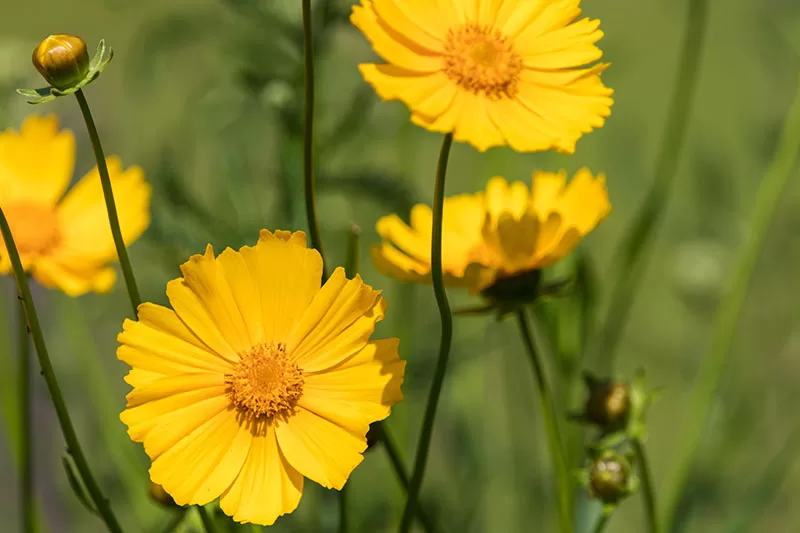
Plant it in full sun and keep removing spent flowers to encourage repeat blooming. Once established it is drought tolerant and easy going. It earns its spot without needing endless fussing, which is exactly the kind of energy more gardens need.
Society Garlic – Tulbaghia violacea
Society Garlic is tidy, hardy and a lot prettier than its name suggests. It has grassy foliage and pretty mauve flower clusters that appear over a long period.
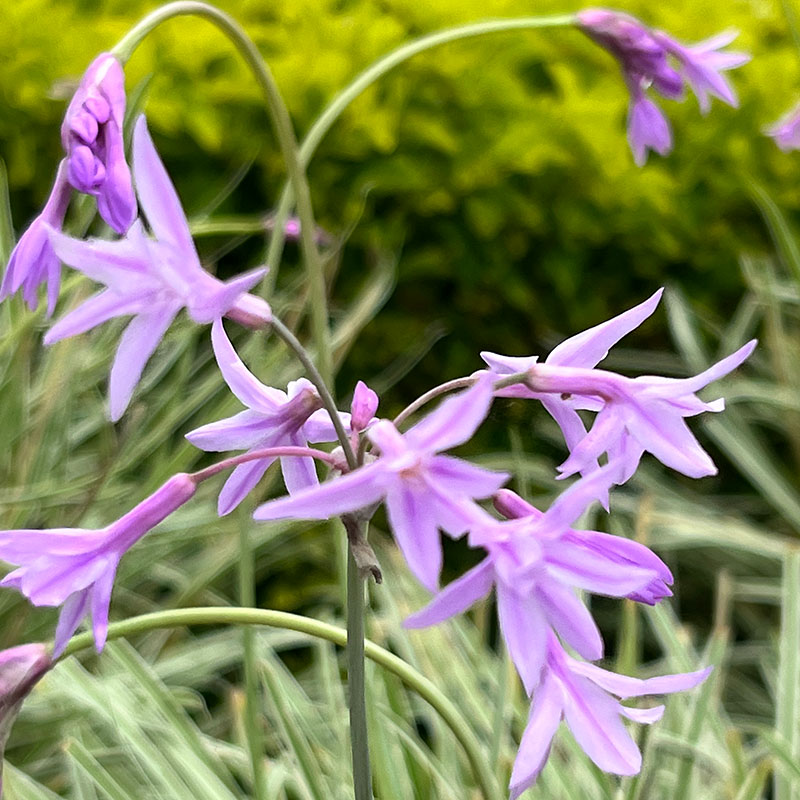
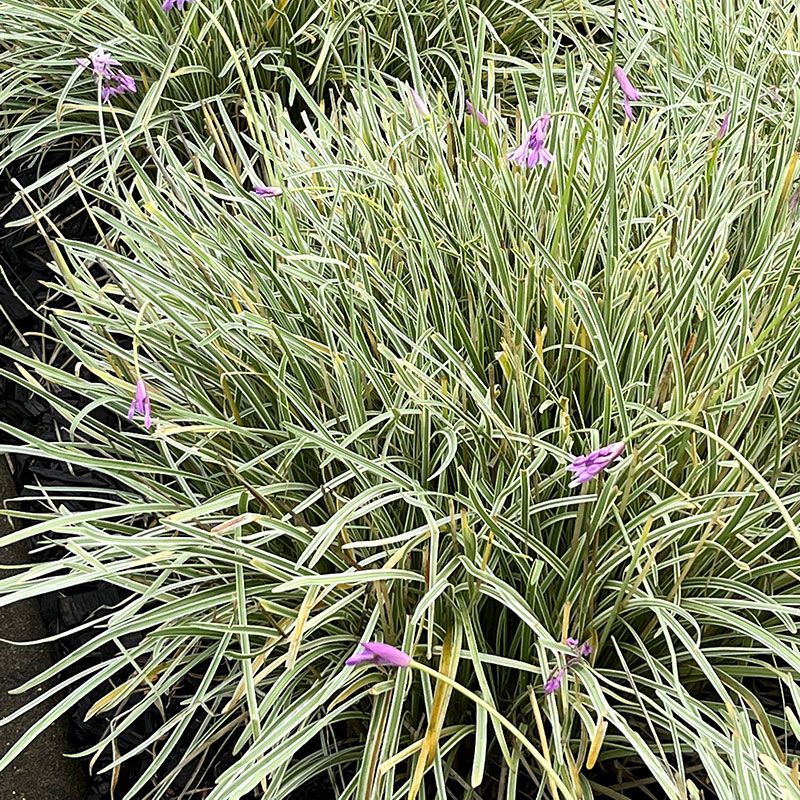
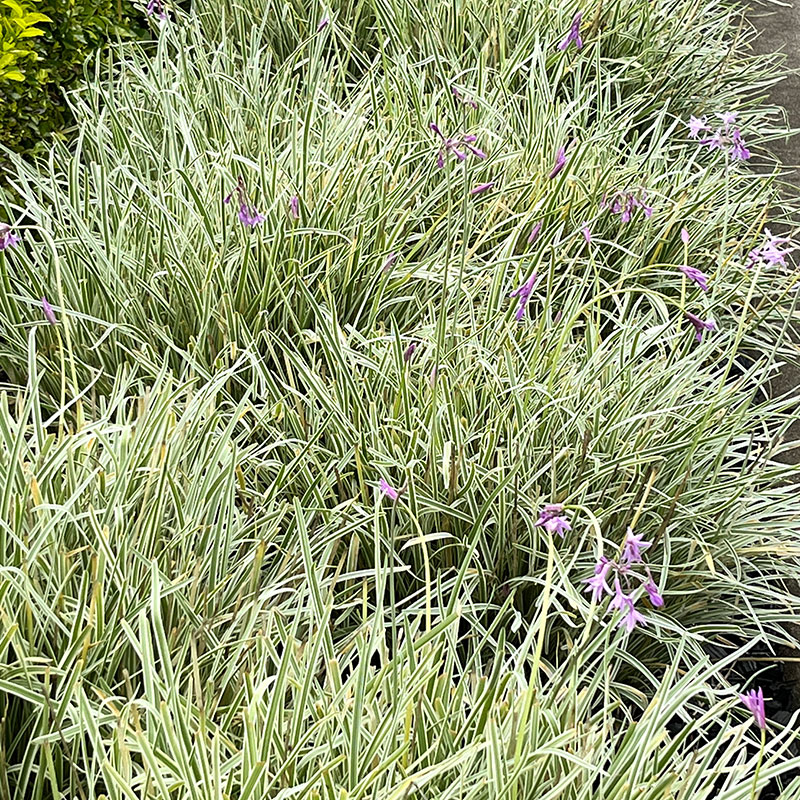
It suits borders, gravel gardens and sunny spots where you want reliable colour without a high maintenance routine. It likes well drained soil and full sun and once established it handles heat well. It is one of those plants that just gets on with it.
Note: the leaves and rhizomes emit an garlic/onion smell.
Eremophila / Emu Bush – Eremophila maculata
If you want colour in the cooler months, Eremophila maculata is a very good plant to know. This native shrub produces tubular flowers in shades of red, pink, orange and yellow, mainly in Winter and Spring.
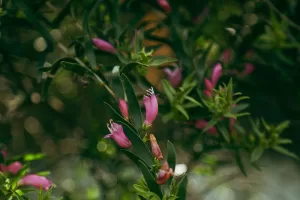
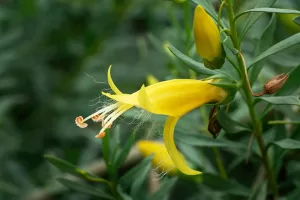
It is excellent for dry gardens, handles drought well once established and attracts honeyeaters and native bees. Full sun and good drainage are essential. In higher rainfall or more humid areas, grafted forms are often the better option. It is a brilliant plant for adding colour when much of the garden is having a little lie down.
Coastal Rosemary / Westringia – Westringia fruticosa
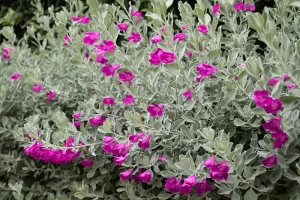
Westringia is one of the hardest working native shrubs you can grow. It brings soft grey green foliage, plenty of structure and flowers for much of the year, with the biggest display often in Spring.
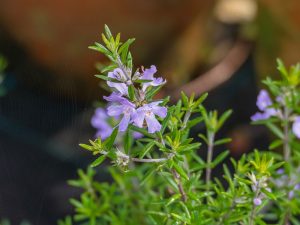
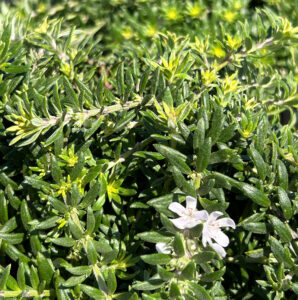
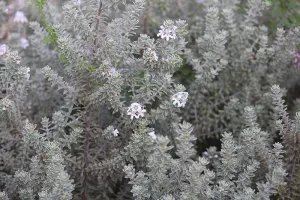
It is tough enough for coastal conditions, wind, dry spells and a wide range of soil types once established. It can be clipped into a hedge, grown as a feature shrub or left a little looser in a mixed border. If you want something reliable, low fuss and useful in more than one way, Westringia is hard to go past.
A Few Tips to Keep Them Flowering Longer
Even the best long flowering plants will do better with a bit of consistent care.
A few simple habits make a huge difference:
- Deadhead spent flowers where it makes sense
- Give sun lovers a genuinely sunny spot
- Feed during the growing season with a suitable fertiliser
- Lightly trim between flushes to encourage fresh growth
- Avoid overwatering, especially in heavy soil
- Mulch to help keep soil moisture and temperature more stable
None of this is complicated. It is just the boring sensible stuff that actually works. Annoying, but true.
Choosing the Right Ones for Your Garden
Australia is a big place and what thrives in one part of the country can absolutely sulk in another. Pentas shines in frost free warm climates. Salvias are wonderfully versatile. Kangaroo Paw and Eremophila are great picks for sunny, well drained spots. Westringia handles coastal conditions like a pro. Pelargoniums, verbena and Marguerite Daisies are excellent in pots and courtyards where you want long colour without too much carrying on.
The real trick is not chasing whatever looks best in a photo. It is choosing plants that suit your climate, your soil and the amount of effort you are realistically willing to put in. That is how you get a garden that looks good for longer without becoming your second full time job.
Keep the Colour Coming
A garden packed with long flowering plants just feels more generous. There is less waiting, fewer flat spots and a lot more payoff for your effort. That matters in Australian gardens where we want plants that can handle heat, bounce back after rough weather and keep looking good for more than five minutes.
Start with a few reliable performers, mix up flower shapes and heights and build from there. You will end up with a garden that feels brighter, fuller and much more alive for a much bigger chunk of the year. Which is exactly what most of us were hoping for in the first place.
If you feel like giving yourself a little garden-themed treat while you’re here, I’ve popped two lovely finds from the shop below. One is perfect for adding a bit of practical help in the garden and the other makes a gorgeous gift, or a well-earned “this is for me actually” purchase. Useful, thoughtful and far more exciting than another panic-buy from the hardware aisle.
FAQs – Long Flowering Plants
Salvia, Kangaroo Paw, Coreopsis, Pentas and Verbena are all excellent choices for full sun. They flower generously and cope well with Australian conditions when planted in the right spot.
Most do not need much fuss, but regular deadheading, occasional feeding and a light trim will help keep them blooming for longer. The biggest win is choosing plants that suit your climate and soil.
Pelargoniums, Verbena, Marguerite Daisies, Fan Flower and Brachyscome all do well in pots. They are great for adding long lasting colour to courtyards, balconies and patios.
Yes, there are plenty, including Fan Flower, Kangaroo Paw, Brachyscome, Emu Bush and Westringia. These are brilliant options if you want long flowering plants with local character and good resilience.