If there is one weed capable of testing the patience of even the calmest gardener, Onion Weed has to be high on the list. It looks harmless enough at first. A few narrow green leaves appear in the lawn or garden bed then suddenly there seem to be dozens of them.
The real trouble is hiding underground. Onion Weed grows from a bulb surrounded by numerous small bulblets. Those little bulbs detach easily when the plant is disturbed. Leave a few behind and the patch can return with reinforcements.
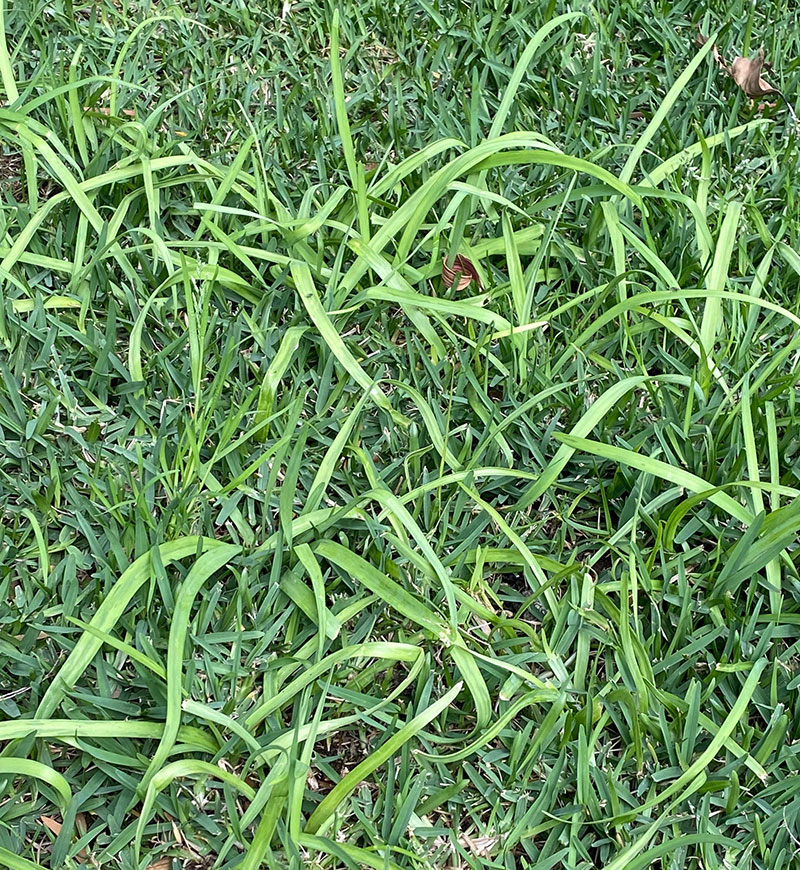
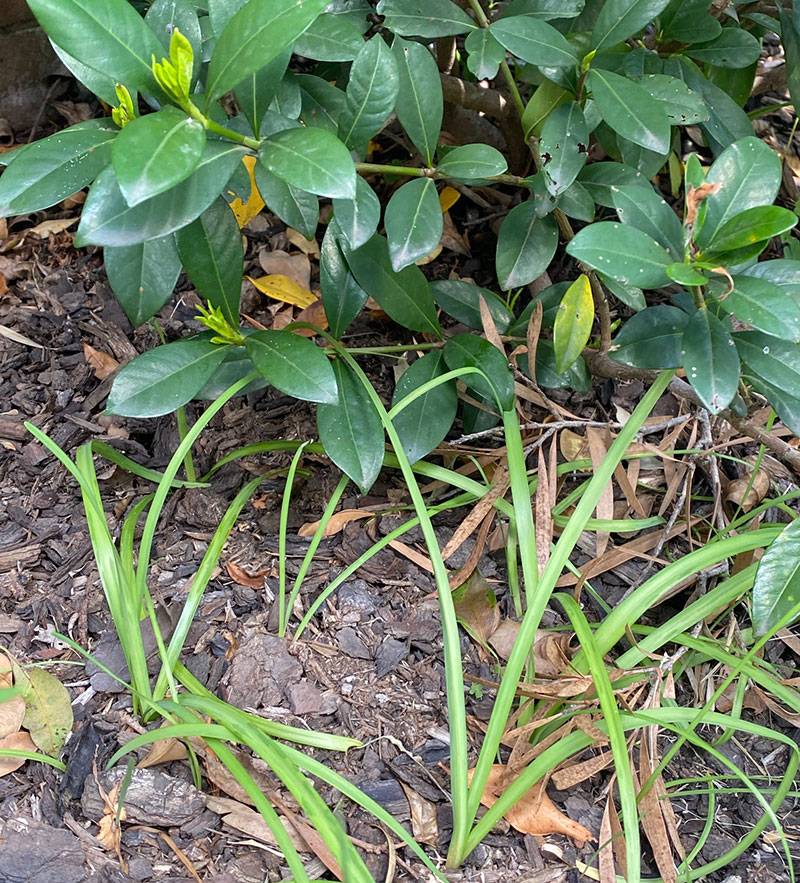
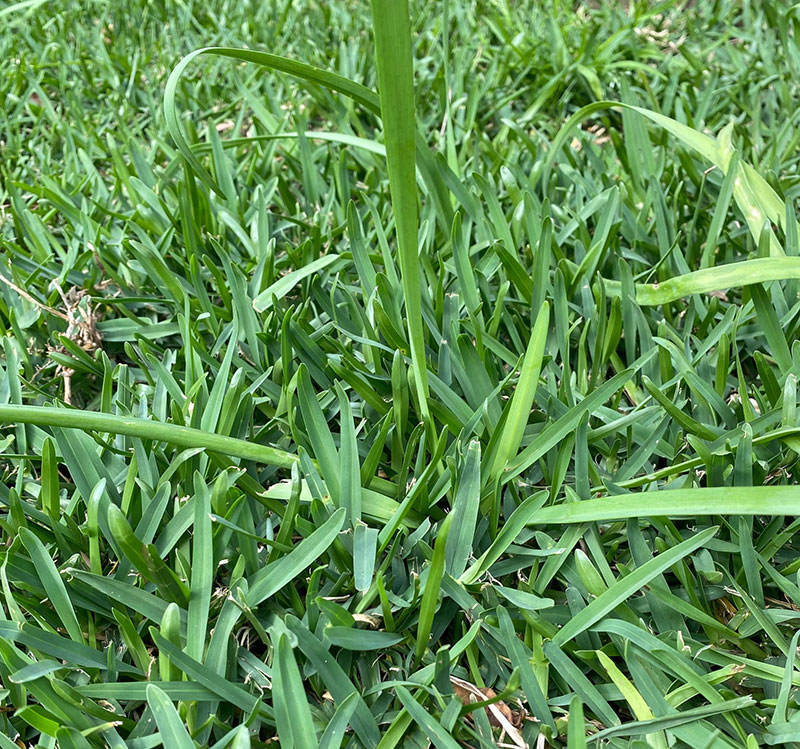
Pulling at the leaves may feel productive for about thirty seconds. Unfortunately it usually leaves the business end of the plant safely tucked away in the soil.
Onion Weed can be controlled. There is rarely a one weekend solution though. Success comes down to choosing the right method for the situation then being annoyingly persistent.
Table Of Contents
- What Is Onion Weed?
- What Does Onion Weed Look Like?
- Is It Onion Weed Or Something Else?
- Australian Natives Worth Checking Before You Dig
- Why Is Onion Weed So Hard To Get Rid Of?
- How To Get Rid Of Onion Weed By Hand
- How To Get Rid Of Onion Weed In A Lawn
- Does Mowing Kill Onion Weed?
- Can You Smother Onion Weed?
- What About Vinegar, Boiling Water And Other Home Remedies?
- Which Control Method Should You Use?
- When Is The Best Time To Control Onion Weed?
- How To Stop Onion Weed Coming Back
- Planting To Fill The Gaps
- Will Onion Weed Eventually Go Away?
What Is Onion Weed?
Botanical Name: Nothoscordum gracile
Other Names Used In Australian References: Nothoscordum borbonicum, Nothoscordum inodorum
Common Names: Onion Weed, False Onion Weed, Fragrant False Garlic
The name Onion Weed causes almost as much trouble as the plant itself. It is used for several completely unrelated weeds in Australia including Nothoscordum gracile, Onion Grass and Angled Onion. Correct identification matters since they grow differently and the best control method can vary.
For gardeners in New South Wales, Nothoscordum gracile is the botanical name used by the PlantNET (the Plant Information Network System of The Royal Botanic Gardens and Domain Trust). Some Australian references use Nothoscordum borbonicum for the same troublesome garden weed so you may come across both names when searching for information or herbicide labels.
What Does Onion Weed Look Like?
Onion Weed is a bulbous perennial with narrow, smooth, strap-like leaves that grow from the base of the plant. The leaves sit low enough to blend beautifully into a lawn when you are trying to find them. Naturally.
Mature plants send up tall flower stems carrying loose clusters of small white flowers. The petals usually have a pale green or brownish marking along the centre. Below ground sits a white bulb surrounded by numerous small bulblets. These tiny bulbs are the main reason Onion Weed is so difficult to eradicate.
Another useful clue is the smell. Nothoscordum gracile has little or only a faint onion-like smell when crushed. A strong onion or garlic smell is much more characteristic of Angled Onion.
Is It Onion Weed Or Something Else?
| Plant | Underground Part | Leaves | Flowers | Smell When Crushed |
|---|---|---|---|---|
| Onion Weed (Nothoscordum gracile) | White bulb surrounded by numerous small bulblets | Flat, smooth and strap-like leaves arising from the base | Clusters of small white flowers with pale green to brown markings, mainly Spring into Summer | Little to faint onion-like smell |
| Onion Grass Or Guildford Grass (Romulea rosea) | Corm that can sit quite deeply in the soil | Tough, narrow and prominently grooved leaves | Pink to purple flowers with a yellow throat, usually in Spring | None |
| Angled Onion (Allium triquetrum) | True bulb with smaller bulblets | Flat, bright green leaves growing mainly from the base with a distinctly three-sided flower stem | Drooping white bell-shaped flowers with a green stripe, Winter into Spring | Strong onion or garlic smell |
| Milkmaids (Burchardia umbellata), Australian Native | Corm with tuberous roots | Long, narrow basal leaves | White to pale pink flowers often with a reddish or purple centre | None |
| Early Nancy (Wurmbea dioica), Australian Native | Small corm | Usually three narrow leaves | Small white to cream flowers with a distinctive purple band, Winter into Spring | None |
Australian Natives Worth Checking Before You Dig
Several Australian native plants grow from corms, rhizomes or tuberous roots and produce small flowers on slender stems. Milkmaids and Early Nancy are two worth checking before declaring war with the trowel.
Native Leek, Bulbine bulbosa, can also produce similar fleshy, strappy foliage although its flowers are bright yellow. Despite the name, its underground storage structure is technically a swollen rhizome rather than a true onion-like bulb.
Native plants can turn up naturally in lawns and gardens adjoining bushland or areas that were once native grassland. If something unfamiliar appears among the grass, take a closer look before you dig. Occasionally the mysterious “weed” is considerably more interesting than expected.
Why Is Onion Weed So Hard To Get Rid Of?
A mature Onion Weed bulb produces numerous smaller bulblets around its base. Disturb the soil and those bulblets can separate from the parent bulb. Each one is capable of producing another plant. This is why grabbing a handful of leaves and yanking achieves so little. The foliage breaks away while the bulbs remain underground preparing their comeback tour.
Onion Weed also reproduces from seed. Those seeds can be spread by wind, water and movement of contaminated garden material. Control therefore has two goals: remove or kill the underground bulbs and prevent plants from setting seed.
How To Get Rid Of Onion Weed By Hand
Hand removal is best for small numbers of plants or isolated clumps. It becomes much less practical in a heavily infested bed since excessive digging can scatter the bulblets even further. The trick is to dig around the plant rather than pulling it upwards. Push a narrow trowel or hand fork into the soil several centimetres away from the foliage then lift a generous plug of soil containing the entire bulb cluster.
Try to keep the plug intact. Shaking soil around the garden gives those tiny bulbs another opportunity to escape. Inspect the hole carefully and remove any obvious bulblets left behind.
If your hand tools are overdue for retirement, our Australian Made Garden Hand Tool Combo Pack is a handy duo for careful weeding, planting and everyday soil work.
Do not put viable bulbs into a cool home compost heap. A safer option is to bag them for disposal or submerge the plants completely in water for around eight to twelve weeks so the bulbs break down before using the resulting material.
How To Get Rid Of Onion Weed In A Lawn
This is where Onion Weed becomes particularly irritating. Digging every clump out can leave a lawn looking as though a flock of determined chickens has spent the afternoon renovating it. For a few scattered plants, careful removal can still work. Lift each plant with enough surrounding soil to take the bulblets with it then firm the turf back down and water the repaired area.
At The Curious Gardener, we prefer to reach for the trowel before the spray bottle. A healthy garden is home to far more than plants and that includes native bees, beetles, spiders, worms and all sorts of other small creatures doing useful work behind the scenes.
Where Onion Weed is limited to a few plants, physical removal is our first choice. Herbicides can be useful when an infestation becomes too large to manage reasonably by hand although they should be used carefully, selectively and strictly according to the label. Avoid blanket spraying where a targeted treatment will do the job and take particular care around flowering plants and areas where insects are actively foraging.
For widespread infestations and if absolutely all else fails (also see home remedies below), selective turf herbicides containing iodosulfuron-methyl-sodium are registered for control of False Onion Weed in certain Australian lawn grasses. Current products containing this active ingredient may be suitable for Kikuyu, Buffalo and Common or Hybrid Couch while excluding turf varieties such as Queensland Blue Couch. Do not assume a product is safe simply because the active ingredient sounds familiar. Check that both Onion Weed and your exact lawn species appear on the current label.
Some iodosulfuron products also require a non-ionic surfactant or another specified adjuvant to improve performance. Follow the product label exactly. Whichever method you choose, expect to go back. Bulblets remaining in the soil can continue producing new shoots after the first plants disappear.
Does Mowing Kill Onion Weed?
No, unfortunately. Regular mowing can prevent flower heads from maturing which helps reduce seed production. It does not kill the bulbs underground. Onion Weed also becomes remarkably good at surviving at lawn height. You mow it. It ducks. You mow it again. It remains deeply unimpressed.
Mow at the correct height for your turf variety and use mowing as part of your prevention strategy rather than relying on it as the main control method.
Can You Smother Onion Weed?
Smothering can be useful for a concentrated patch where you are prepared to sacrifice everything growing underneath it. Cover the area thoroughly with cardboard or opaque sheeting and exclude light for an extended period. Older gardening advice also suggests using old carpet although cardboard or reusable sheeting is generally a more practical garden option.
For warm sunny sites, solarisation is another approach. Clear plastic can be pinned tightly over moist soil during hot weather and left in place for at least eight weeks so heat builds beneath it.
Either way, the lawn or other plants underneath are likely to die as well. In a garden bed this may be acceptable before replanting. In a lawn you will probably need to repair or returf the area afterwards.
What About Vinegar, Boiling Water And Other Home Remedies?
Vinegar and salt solutions can burn foliage although they are non-selective and can damage nearby plants. Repeated use of salt can also create problems in the soil. Burning the leaves does not necessarily mean the underground bulb has been killed so regrowth is possible.
Boiling water also damages whatever it touches. That makes it much better suited to Onion Weed growing through cracks in paving than plants nestled in your lawn.
Vegetable oil is another method that Gardening Australia has demonstrated for bulbous Onion Weed. It is carefully applied into the soil around the bulb with the aim of smothering it. It may be worth trying on isolated plants although it becomes rather ambitious when half the backyard has joined the rebellion.
Which Control Method Should You Use?
| Situation | Best Approach | What To Expect |
|---|---|---|
| A Few Plants In A Garden Bed | Careful digging and lifting the whole plug of soil | Good results if the bulblets remain contained. Keep checking the area afterwards. |
| A Heavy Infestation In A Garden Bed | Smothering, solarisation where suitable or carefully targeted herbicide before replanting | Control takes time and existing plants in the treatment area may also be lost. |
| Scattered Plants In A Lawn | Careful removal or precise spot treatment with a registered non-selective herbicide | Some turf damage may occur. Watch for new shoots. |
| Widespread Lawn Infestation | Widespread Lawn Infestation: Improve lawn density and remove manageable patches first. Where the infestation is too extensive for practical hand removal, consider a selective turf herbicide specifically registered for Onion Weed and your lawn variety. | Control is gradual and continued monitoring is essential. |
| Plants In Paving Or Gravel | Careful spot treatment or boiling water where surrounding plants will not be affected | Top growth may disappear quickly although repeated treatment can be necessary. |
A Note About Using Chemicals In The Garden
Chemical control appears in the table above because sometimes it is the most practical option, particularly when Onion Weed has spread through a large area of lawn. It is not our preferred starting point.
At The Curious Gardener, we like gardens with bugs in them. Lots of them. Native Bees, Hoverflies, Ladybirds, Beetles, Spiders and other small garden residents are part of a healthy ecosystem and we would rather not reach for chemicals unless there is a good reason.
Herbicides target plants rather than insects although unnecessary spraying can still affect the wider garden by damaging non-target plants and removing flowers, groundcover and habitat that insects use for food and shelter.
Start with physical removal, prevention and good garden management wherever practical. If chemical control becomes necessary, treat the smallest possible area, avoid spray drift onto surrounding plants and always follow the product label. The goal is not a completely sterile garden. It is a healthy one with the Onion Weed considerably less welcome than everything else.
When Is The Best Time To Control Onion Weed?
Start as soon as you notice active growth. In New South Wales, Nothoscordum gracile generally flowers from Spring into early Summer. Removing or treating plants before seed develops helps stop the problem spreading further.
Herbicides are generally most effective when weeds are healthy and actively growing. Always follow the timing, rate and application directions on the product label.
How To Stop Onion Weed Coming Back
Eradication in one hit is rare. Check previously infested areas regularly and deal with new shoots while they are small.
A thick healthy lawn is one of your best long term defences against many weeds. Correct mowing height, appropriate feeding and sensible watering encourage dense turf that leaves fewer bare spaces for weed seedlings to establish.
In garden beds, maintain a good layer of mulch and avoid moving soil from badly infested areas around the garden. Bulblets can hitch a ride in soil surprisingly easily.
Clean soil and plant material from tools, boots and garden equipment after working through a heavily infested patch. Seeds and bulblets can both be moved around the garden this way.
Planting To Fill The Gaps
Bare ground gives weeds an opportunity. Dense planting and groundcovers can help reduce open spaces where new weed seedlings establish although they will not magically eliminate Onion Weed bulbs already hiding underground.
Australian Native groundcovers are useful here if you choose them to suit the conditions.
Native Violet, Viola hederacea, forms a soft spreading mat and is particularly useful in moist shade and part shade. Kidney Weed, Dichondra repens, also prefers moist conditions with some shade and can tolerate light foot traffic although it is not suited to heavy wear.
For a sunnier and drier position, Creeping Boobialla, Myoporum parvifolium, is a better choice. It spreads quickly and creates a low dense cover once established.
For extra structure, Lomandra and suitable Native Tussock Grasses can help fill larger garden beds. Dense planting will not cure an existing Onion Weed infestation although it can reduce bare soil and make emerging weeds much easier to spot.
Will Onion Weed Eventually Go Away?
Not if you ignore it. Onion Weed is a perennial and those underground bulbs are very good at surviving. An established patch can persist for years when plants are allowed to grow, produce more bulblets and set seed.
Consistent control changes the equation. Remove or treat new growth as it appears. Prevent flowering and seed set wherever possible. Avoid spreading contaminated soil and keep checking areas you have already treated. Over time the number of plants should decline.
For lawns in particular, think of Onion Weed control as a campaign rather than a single battle. A little vigilance through Spring and Summer is much easier than looking across the lawn a year later and wondering when the tiny green army recruited several thousand friends.
Frequently Asked Questions About Onion Weed
No. The names get used interchangeably in Australia although they are different plants. Onion Weed, Nothoscordum, has white flowers and grows from a bulb. Onion Grass or Guildford Grass, Romulea rosea, has pink to purple flowers, wiry grooved leaves and grows from a corm.
You can remove it by hand although you should not pull the leaves. Dig around the plant and lift the complete bulb cluster with surrounding soil so the bulblets stay attached.
Barely. Nothoscordum has little or no onion smell when the foliage is crushed. A strong onion or garlic smell points to Angled Onion, Allium triquetrum, which is a different weed.
A few isolated plants can be dealt with quickly if every bulb comes out. Established infestations usually need repeated treatment over one or two seasons because overlooked bulblets keep producing new growth.