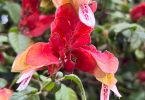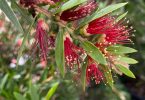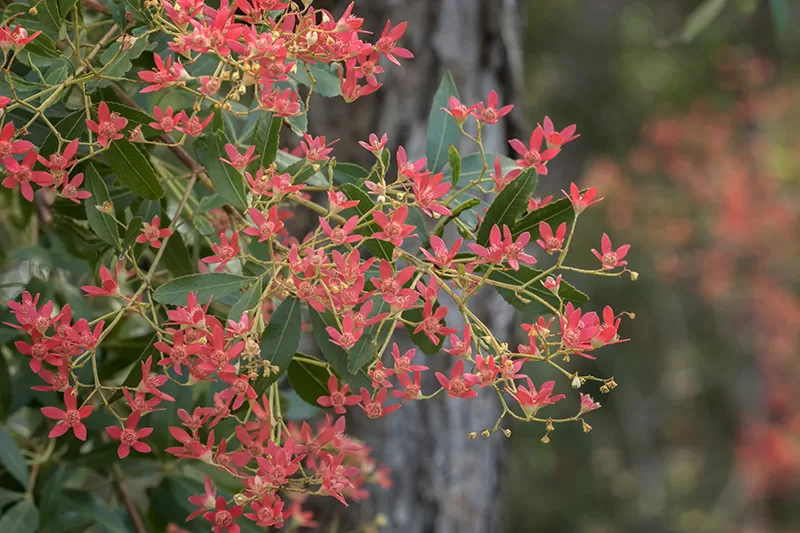
This is one of those plants that quietly cruises along all year… then late spring hits, it flowers, and the whole thing turns that unmistakable Christmas red. Suddenly everyone wants one.
Here’s the fun fact that makes it even better: the tiny white flowers are only the warm-up act. The big red show comes from the sepals (the calyx) swelling and colouring up after flowering. Sneaky. Spectacular. Highly effective.
Why you’ll love it
- That unmistakable Christmas-red display when lots of gardens are starting to look tired and sun-stressed
- A real Aussie classic (especially for coastal and near-coastal gardens)
- Great as a feature or screening plant — you can keep it shrubby or let it become a small tree
- Perfect for pots (with the right setup) if your soil is heavy or you want it on a balcony/courtyard
- Bird-and-pollinator friendly vibes thanks to the flowering season and dense foliage
Botanical name
Ceratopetalum gummiferum
Common name
NSW Christmas Bush
NSW Christmas Bush description
NSW Christmas Bush is native to coastal New South Wales (and nearby regions), often found in and around wetter forested areas which tells you a lot about what it likes: good drainage, consistent moisture and a bit of protection from harsh extremes.
It’s typically a large shrub or small tree, commonly growing anywhere from 3–6m in gardens (sometimes more if it’s living its best life and you never prune it). The foliage is glossy and lush and the plant looks neat even when it’s not “performing”.
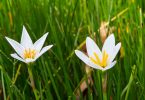
In late Spring, you’ll get clusters of small white starry flowers, then as they finish, the sepals enlarge and turn pink to deep red, creating the famous Christmas colour show through early Summer. If you’ve ever seen one in full flush, you know it’s not subtle and honestly, why should it be?
Climate
Best in temperate to warm-temperate and coastal/subtropical climates. It’s happiest where Summers are warm but not brutal and the soil doesn’t bake into concrete.
- Heat: tolerates warmth but appreciates reliable watering during extended hot, dry periods
- Frost: handles light frost once established but it’s not a “snowy mountain warrior” plant
Plant cultivation & care
Position: Full sun to part shade.
- For the best colour and flowering: sunny to lightly shaded
- In hotter spots: morning sun + afternoon shade can be the sweet spot
Soil: Moist but well-drained.
This is the big one. Christmas Bush does not love soggy feet. If your soil is heavy clay:
- plant on a mound/raised area
- improve with organic matter
- mulch well (but keep mulch off the trunk)
Watering:
Water well while establishing, then keep moisture consistent, especially Spring into early Summer when it’s gearing up for the show. Drought stress can mean a weaker display (and a generally grumpy plant).
Feeding:
A light feed in Spring with a native-friendly fertiliser is plenty. Overfeeding tends to create lots of soft growth and fewer flowers, basically the plant equivalent of skipping leg day.
Mulch:
Mulch is your best friend here. It keeps roots cooler, reduces moisture swings and helps the plant cope when summer starts throwing tantrums.
Plant use
Feature plant, screening, large shrub borders, small tree for shade, courtyards, native gardens, coastal gardens, pots (large), cut foliage/seasonal colour
Pruning
Prune after the flowering/colour display. This keeps it dense and shapely and encourages more flowering points next season.
- Light shaping = great
- Hard pruning = only if needed (and expect it to sulk for a bit)
If you want it more “bushy shrub” than “small tree”, start shaping while it’s young.
Pests & diseases
Generally pretty resilient, but keep an eye out for:
- Scale or sap-sucking insects (especially if the plant is stressed)
- Leaf spotting in humid, poorly ventilated spots
- Root problems if drainage is poor (the classic “wet feet” issue)
Most problems trace back to one of two things: not enough drainage or not enough water during heat. The plant isn’t mysterious, it’s just fussy about the basics.
In summary…
NSW Christmas Bush is one of those plants that earns its reputation. Give it sun, well-drained soil and consistent moisture, then prune it after the show and you’ll get that iconic red flush right when you want your garden to look like it’s got its life together.
Once you’ve finished planting (and somehow ended up with soil in places soil should never be), treat your hands to our Activated Charcoal & Pumice Gardener’s Soap. It cuts through grime properly, without leaving your skin feeling like sandpaper. And if your tools are more “archaeological find” than “garden essential”, our Hand Tool Combo Pack (trowel + fork) is a solid upgrade — comfortable to use, beautifully made and tough enough for real-world gardening.