If you want a native shrub that quietly gets on with the job while everything else is having a seasonal sulk, Correa reflexa is your plant.
Commonly known as Native Fuchsia, this is one of those reliable, low-fuss performers that earns its keep year after year. It flowers when you actually need colour in the garden, it feeds the birds and it does not demand constant attention like a needy houseguest.
This is classic Australian gardening at its best. Tough, adaptable and far more versatile than people give it credit for.
Why You’ll Love It
- Winter and Autumn flowering when the garden needs a lift
- Bird-attracting tubular flowers, especially loved by honeyeaters
- Hardy and adaptable across a range of climates
- Works in small gardens, narrow beds and pots
- Handles shade better than many native plants
- Low maintenance once established
Botanical Name
Correa reflexa
Common Name
Native Fuchsia, Correa
Correa reflexa – Native Fuchsia Description
Correa reflexa is a small to medium evergreen shrub native to Australia, found naturally in woodland and forest areas along the East Coast and parts of the South. It typically grows between 1 to 2 metres high and wide, though this can vary depending on the variety and growing conditions.
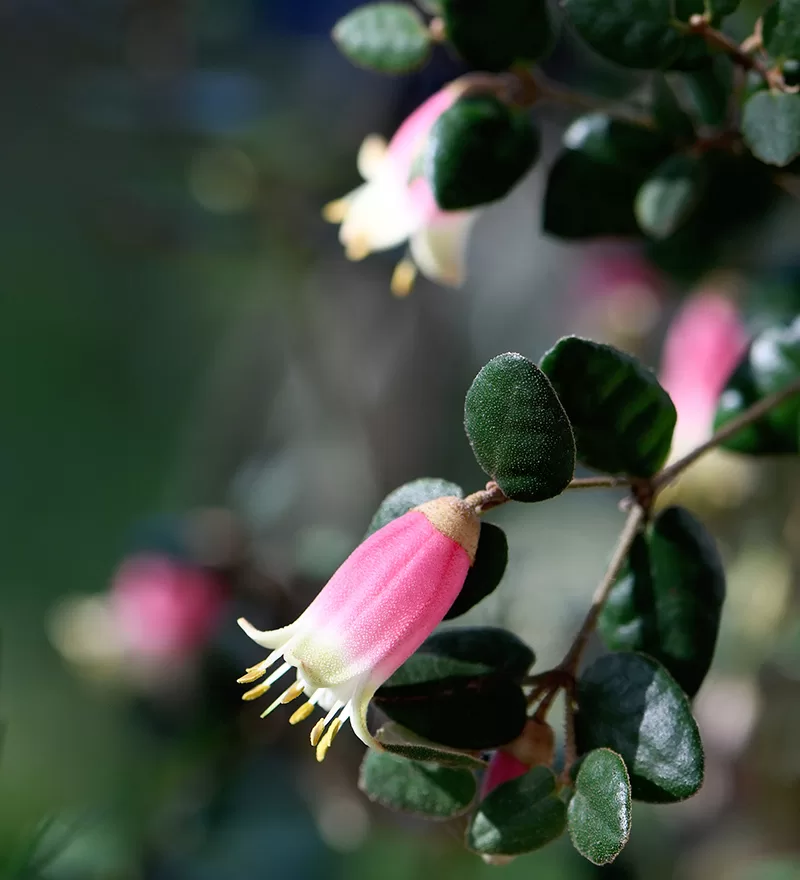
The flowers are the real stars of the show. They are tubular, often described as bell-shaped, with colours ranging from soft greens and creams through to reds and pinks. Many varieties feature a combination of colours, such as green tips with red bases, which gives them a slightly exotic look without being showy or over the top.
Flowering occurs mainly from Autumn through Winter and often into early Spring. This makes Correa incredibly valuable in the garden when most other plants are taking a break. The flowers are nectar-rich and act like a magnet for birds, particularly honeyeaters.
The foliage is usually soft and slightly velvety, often grey-green to deep green depending on the form. It gives the plant a gentle, natural look that blends easily into both native and mixed gardens.
Climate
Correa reflexa is well suited to a wide range of Australian climates, which is one of the reasons it is so widely grown.
- Thrives in temperate climates
- Performs well in Coastal areas, tolerating some salt exposure
- Suitable for Cool climates, including light frosts
- Can grow in Subtropical regions with some protection from humidity
It is not a fan of extreme heat combined with humidity, so in warmer regions it benefits from a bit of shade and airflow.
Plant Cultivation & Care
This is where Correa really shines. It is not demanding, though there are a few things that will keep it looking its best.
Soil
Free-draining soil is essential. Like many Australian natives, Correa reflexa does not tolerate waterlogged conditions.
- Sandy or loamy soils are ideal
- Clay soils can work if improved with organic matter and drainage
- Avoid heavy, compacted soil that stays wet
Light
Correa is more shade-tolerant than many native plants, which makes it incredibly useful in tricky spots.
- Full sun to part shade
- In hotter areas, morning sun and afternoon shade works best
- Too much deep shade can reduce flowering
Watering
Once established, Correa reflexa is relatively drought-tolerant.
- Water regularly while establishing
- Reduce watering once mature
- Avoid overwatering, especially in cooler months
Feeding
Native plants do not need heavy feeding, and Correa is no exception.
- Use a low-phosphorus native fertiliser in Spring
- Avoid over-fertilising as it can do more harm than good
Mulching
A layer of mulch helps regulate soil temperature and retain moisture.
- Use organic mulch such as bark or leaf litter
- Keep mulch clear of the plant stem
Quick Reference Guide
| Feature | Detail |
|---|---|
| Botanical Name | Correa reflexa |
| Common Name | Native Fuchsia / Common Correa |
| Family | Rutaceae |
| Plant Type | Evergreen Shrub |
| Height | 0.5–1.5 m (Varies By Form) |
| Width | 0.5–2 m |
| Flower Colour | Green, Cream, Yellow, Red, Pink And Bicolour Forms |
| Flowering Time | Autumn To Winter (Often Into Early Spring) |
| Light | Full Sun To Part Shade |
| Soil | Well-Drained Sandy, Loamy Or Improved Clay |
| pH | Acidic, Neutral Or Alkaline |
| Watering | Low Once Established |
| Frost Tolerance | Yes, Light To Moderate Frosts |
| Humidity Tolerance | Low, Avoid Tropical And High-Humidity Areas |
| Drought Tolerance | Good Once Established |
| Wildlife Value | Honeyeaters, Bees And Other Nectar-Feeding Insects |
Plant Use
This is where you can get creative. Correa reflexa fits into more garden styles than people expect.
- Native gardens as an understorey shrub
- Wildlife gardens to attract birds
- Narrow beds where space is limited
- Informal hedging or low screening
- Pots and containers on patios and balconies
- Shady spots where other natives struggle
It also pairs beautifully with plants like Grevillea, Westringia and Lomandra for a layered, textural look.
Midway through planning your garden, it is worth mentioning that adding bird-attracting plants like Correa pairs perfectly with products such as native seed collections or seed bombs from the shop, helping you build a fuller, wildlife-friendly space with very little effort.
Pruning
Correa reflexa responds well to pruning and benefits from a light trim to maintain shape.
- Lightly prune after flowering
- Avoid hard pruning into old wood
- Regular tip pruning encourages a denser, bushier plant
Left unpruned, it can become a bit open and leggy over time. A quick haircut once a year keeps it looking tidy.
Pests & Diseases
This is generally a tough plant, though there are a few things to keep an eye on.
- Root rot can occur in poorly drained soil
- Occasional issues with scale or aphids
- Fungal problems may appear in humid conditions
Good airflow and well-drained soil prevent most issues before they even start.
Popular Varieties to Look For
There are quite a few forms of Correa reflexa, and this is where things get interesting. You are not stuck with just one look.
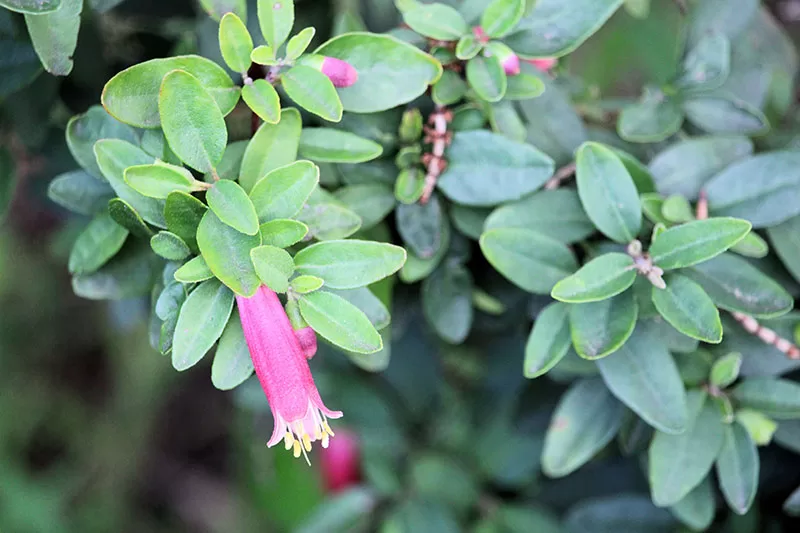
- ‘Dusky Bells’ – Deep pink flowers, compact habit
- ‘Mallee Bells’ – Pink with a distinctive green edge, great for smaller spaces
- ‘Federation Belle’ – Larger flowers with strong pink/pale green colour contrast
- ‘Carpenter Rocks’ – Coastal form, hardy and wind-tolerant
Each variety brings slightly different colours and growth habits, so it is worth choosing one that suits your space rather than grabbing the first one you see.
Growing Correa in Pots
If you are short on space or gardening on a balcony, Correa reflexa adapts well to container growing.
- Choose a pot with good drainage holes
- Use a quality native potting mix
- Position in bright light with some protection from harsh afternoon sun
- Water consistently but do not let the pot sit in water
A potted Correa can still attract birds, which is always a bit of magic when you are gardening in a smaller space.
Why Correa Belongs In Every Garden
Correa reflexa is one of those plants that quietly outperforms flashier options. It does not scream for attention yet it delivers colour when the garden needs it most. It supports wildlife and adapts to a range of conditions that would defeat fussier plants.
It is also incredibly useful in real-world gardens. Not every space gets perfect sun, perfect soil and perfect conditions. Correa reflexa handles the less-than-perfect spots with ease. That makes it a practical choice as well as a beautiful one.
If you are building a garden that works with nature rather than against it then this plant should be high on your list. Plant it once, give it the right conditions and it will reward you for years with colour, movement and life.
To carry that same relaxed, Australian garden feeling indoors, the Australiana Australian Florals Soy Candle brings the scent of blooming natives straight into your home with notes inspired by Frangipani, Banksia and Boronia, while the Bush Banksia Wheat Bag with its removable cover adds a cosy and practical touch for cooler nights.
Together they extend the garden experience beyond the outdoors, wrapping your space in warmth, comfort and that unmistakable Australian botanical vibe.
FAQs – Correa reflexa (Native Fuchsia)
Yes, Correa reflexa handles light to moderate frosts well and is a reliable performer in cool climate gardens across southern Australia.
Absolutely. Use a quality native potting mix in a pot with good drainage holes and position it in bright light with some protection from harsh afternoon sun.
The most common causes are too much deep shade or over-fertilising. Move it to a spot with more light and stick to a low-phosphorus native fertiliser applied once in Spring.
Prune lightly straight after flowering to maintain shape and encourage denser growth for the following season.