Water is too precious to waste, especially in Australia where the weather can swing from soaking wet to bone dry before your mulch has even worked out what season it is. That is why more gardeners are looking at ways to reuse household water instead of watching it disappear down the drain.
Used sensibly, grey water in the garden can help keep ornamental beds and lawns going through dry spells. Used badly, it can create a salty, soggy mess that does your plants absolutely no favours.
Grey water sounds technical but it is simply wastewater from places like showers, baths, bathroom hand basins and the laundry. It is not the same as blackwater, which comes from toilets and anything contaminated with sewage.
Grey water is far less risky than blackwater but it is still not clean water. It can contain soap, detergent, body oils, lint and bacteria, so it needs a bit of common sense before it goes anywhere near your plants.
The good news is that grey water in the garden can work very well when you understand what is safe and what is not. The bad news is that some people treat it like free-for-all bonus water and that is where the trouble starts.
What Counts As Grey Water?
In a typical Australian home, grey water usually comes from:
- showers
- baths
- bathroom hand basins
- laundries
These are the most practical sources for garden reuse at home. Shower water, bath water and laundry rinse water are usually the easiest and safest options to work with.
Kitchen wastewater is where things get murkier. It can contain grease, oils, fats and food particles, so untreated kitchen water is generally not recommended for reuse in the garden. For home gardeners, the safest approach is to stick with bathroom and laundry sources and leave the kitchen sink out of the equation.
Why Gardeners Use It
The biggest reason is obvious. It saves fresh water. That matters during dry spells and it matters on the water bill too. Reusing household water can help support ornamental gardens and lawns without relying entirely on mains water.
There is also a practical side to it. If you are already doing the washing or taking a shower, that water exists whether you use it or not. Sending suitable grey water to the garden is simply getting a second job out of it before it exits the scene.
What Is Safe?
Grey water is generally safest when it is used on ornamental garden beds, trees, shrubs and lawns rather than edible plants. It should be applied to the soil, not sprayed over foliage. The aim is to get moisture into the root zone while keeping people and pets from coming into contact with it.
Safe use usually looks like this:
- apply grey water directly to the soil
- use it as soon as possible rather than storing it
- spread it across different areas of the garden rather than the same patch every time
- choose cleaning products that are lower in Sodium, Phosphorus and Boron
- alternate with fresh water to help flush the soil
- keep grey water away from children’s play areas and pet bowls
That last point matters more than people think. Grey water is not there for paddling, splashing or accidental mouthfuls. No one wants their backyard sustainability project turning into a biology experiment.
What Is Not Safe?
Grey water should never be stored for long periods. Untreated grey water needs to be used quickly, ideally the same day and no later than 24 hours. Leave it sitting around and it can turn septic, smell terrible and become a genuine health risk.
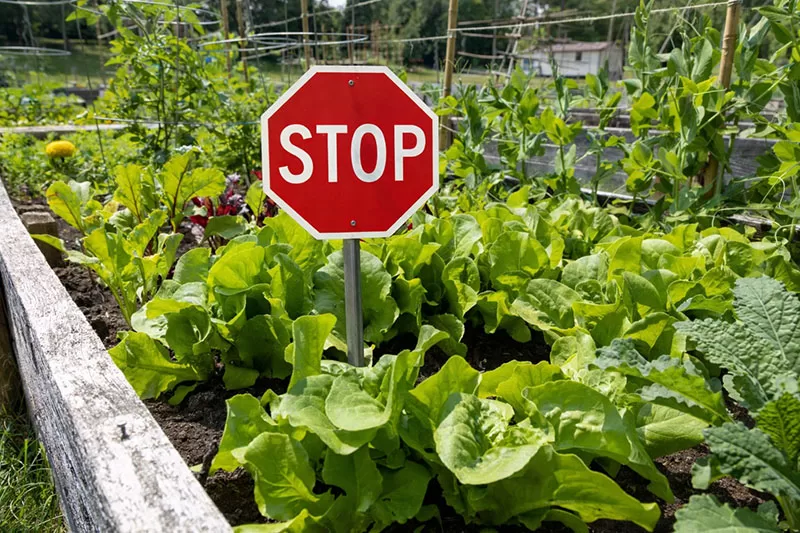
Grey water is also not a great choice for:
- leafy greens
- herbs
- root crops
- anything where the edible part touches the soil
- seedlings
- pots with poor drainage
- boggy areas or places where runoff occurs
Spraying grey water through sprinklers is another bad move. Once it becomes airborne, the chance of human contact rises and that is exactly what you are trying to avoid. Grey water should soak into the soil, not float around the garden like a faintly perfumed warning sign.
The Real Problem: Salts And Chemicals
The main issue with grey water in the garden is not usually the water itself. It is what comes with it.
Many soaps and detergents contain Sodium, salts and other compounds that can build up in the soil over time. This can damage soil structure, especially in clay soils and make it harder for roots to absorb water properly. Some products can also shift soil pH in the wrong direction.
That is why choosing the right household products matters so much. Grey water friendly detergents and soaps are a much better option than harsh cleaners loaded with ingredients your soil and plants would rather not deal with.
Be particularly careful with products containing:
- High Sodium
- Boron
- Bleach
- Disinfectants
- Fabric softeners
- Strong household cleaners
A one-off use is unlikely to cause a backyard disaster. Repeated use over time is where the real damage shows up.
Which Plants Handle It Best?
Generally speaking, established ornamentals, lawns, larger shrubs and tougher trees handle grey water better than delicate or edible plants. Plants with strong root systems in well-drained soil usually cope far better than anything fussy, soft or newly planted.
Grey water tends to work best on:
- Lawns
- Established ornamental shrubs
- Shelter trees
- Robust perennials
- Hedging plants
- Dense screening plants
Some Australian natives can tolerate grey water but this is not a blanket rule. Many natives, particularly members of the Proteaceae family such as Banksia, Grevillea and Hakea, are sensitive to phosphorus. Since many detergents contain phosphorus, it is smart to be cautious. Trial grey water on one small area first rather than going all in and hoping for the best. Hope is not a garden management plan.
If you are reshaping beds or improving drainage in areas where you want to direct reused water, the Garden Hand Tool Combo Pack from The Curious Gardener shop is a handy little sidekick for the job.
Plants To Be Careful With
Not every plant welcomes recycled bath water, no matter how eco-conscious the setup sounds.
Be cautious with:
- Vegetables
- Herbs
- Seedlings
- Blueberries
- Citrus
- Camellias
- Azaleas
- Gardenias
- Any plant already showing signs of stress
Acid-loving plants (such as Azaleas, Camellias, Gardenias, Blueberries and Hydrangeas) deserve special mention here. Grey water tends to be a bit alkaline due to the cleaning products it contains and that can be genuinely unhelpful for plants that prefer acidic soil conditions. If you grow any of the plants above, it is safer to stick with rainwater or mains water wherever possible.
This is also where a simple soil pH test can be surprisingly useful. Many gardeners do not realise how easy it is to monitor pH in problem areas. Testing every few months in spots where you regularly apply grey water can give you early warning before plants start sulking in a serious way.
What About Regulations In Australia?
This part is not wildly exciting but it does matter.
Rules around grey water reuse vary across Australia. Manual bucketing of shower or bath water is often treated differently from a permanent plumbing-connected diversion system. Once you start installing anything that alters plumbing or diverts wastewater automatically, approvals and plumbing requirements can apply.
The safest rule of thumb is this: if you are carrying a bucket, the requirements are usually simpler. If you are connecting a device or installing a system, check your local council or state authority first and use a licensed plumber where required.
It is not the glamorous part of gardening but neither is ripping out a non-compliant setup later.
Summary: How To Use Grey Water Without Ruining Your Soil
A few simple habits make a big difference when it comes to using grey water well.
- Use It Quickly – Untreated grey water should be used promptly, ideally the same day. Do not store it for later unless you have an approved treatment system in place.
- Water The Soil, Not The Leaves – Apply grey water around the root zone. Avoid wetting edible foliage and steer clear of flowers and leaves where you can.
- Rotate Where It Goes – Do not keep directing it to the same spot. Moving the discharge area around helps prevent salts and residues from building up in one patch of soil.
- Alternate With Fresh Water – A regular flush with clean water helps reduce residue build-up, especially in heavier soils and clay.
- Choose Better Laundry Products – This one makes a massive difference. Grey water friendly products that are low in Sodium, Phosphorus and Boron can mean the difference between helpful reuse and slow motion plant sabotage.
- Avoid Overwatering – Grey water is still water. If the garden does not need it, do not apply it just for the sake of using it. Ponding, soggy soil and runoff are all signs something is off.
A Simple Way To Think About It
If the water is fresh, only lightly contaminated, used on ornamentals, applied to the soil and managed with care, grey water in the garden can be a smart way to stretch your water further.
If it is old, smelly, greasy, sprayed around, poured onto edible crops or repeatedly dumped in the same spot, it is a problem wearing a sustainability costume.
Grey water can absolutely be part of a water-wise Australian garden. It just needs boundaries. Use the right source, direct it to the right plants and keep an eye on how your soil responds. The moment plants start yellowing, soil becomes crusty or drainage gets worse, pull back and reassess. Your garden will usually tell you when a good idea has started getting a bit carried away.
Need a couple of practical treats while you’re pottering about or cleaning up afterwards? Our Calming & Soothing Natural Handmade Soaps 3 Pack is a lovely little way to slow the pace and bring a bit of everyday luxury into the bathroom, while the Organic Pet Shampoo Bar keeps your four-legged sidekick clean without a bottle full of nasties.
They are simple, useful and beautifully aligned with a more natural way of living, which makes them an easy fit for gardeners, pet lovers and anyone who appreciates thoughtful Australian-made products.
FAQs – Grey Water In The Garden
No, grey water should not be used on edible plants, particularly leafy greens, herbs and root crops, as contaminants in the water can pose a health risk.
Untreated grey water must be used within 24 hours. After that it turns septic, develops a strong odour and becomes a health hazard.
Grey water tends to be slightly alkaline due to the cleaning products it contains, which can be harmful to acid-loving plants like azaleas, camellias and blueberries over time. A basic soil pH test kit is an inexpensive way to keep an eye on any changes.
Choose products that are low in Sodium, Phosphorus and Boron and avoid anything containing bleach, disinfectants or fabric softener.