Clay soil often gets written off as difficult but it’s more misunderstood than problematic. Beneath its heavy, compacted nature lies a wealth of nutrients and minerals – exactly what plants need to thrive. The challenge is structure: clay holds water excessively and becomes rock-hard when dry, making it tough to work with.
But here’s the good news… you don’t need to replace it, just improve it. With the right approach, clay can be transformed into a rich, productive foundation for your garden. Here’s how:
1. Add Organic Matter. A Lot of It.
This is your number one fix. Organic matter is clay’s best friend. It helps bind those tiny clay particles into larger crumbs, improving texture, aeration and drainage. Over time, this turns your soil from gluey gloop to rich, friable loam.
Best materials to use:
- Compost – Homemade or quality bought stuff
- Aged manures – Chicken, cow, sheep (well-rotted only!)
- Straw, sugarcane mulch or lucerne hay
- Leaf litter and shredded garden waste
How to do it:
- Spread 5–10cm of organic matter over the surface of your soil. No digging required.
- Water it in and let nature (and worms) do the rest.
- Reapply every season. Improvement builds over time. Slow, but magic.
Why it works: Organic matter feeds soil microbes, encourages worm activity and breaks up compacted particles naturally. You’re building a living soil ecosystem, not just dumping stuff on top.
2. Gypsum – Your Clay-Busting Wingman
Clay particles naturally bind closely together, creating a dense structure that restricts airflow, drainage and root growth. Gypsum helps break that clinginess by replacing sodium with calcium, which causes the particles to flocculate (aka loosen their grip and act normal).
How to apply:
- Sprinkle at a rate of 1kg per m² for moderate clay.
- Water in deeply (or time it just before a good rain).
- Repeat twice a year for best results.
Pro tip: Gypsum won’t help sandy soils—it only works where clay is the culprit.
Don’t expect instant results – Gypsum is a slow reformer, not a miracle cure. Pair it with organic matter for best results.
3. Mulch Like a Boss
Mulch is more than just a pretty blanket, it’s your soil’s security system, hydration strategy and slow-release nutrient plan all rolled into one.
Best mulch types for clay soil:
- Coarse bark chips (slow to break down, great for airflow)
- Sugarcane mulch (quick breakdown, excellent for veggies)
- Straw or hay (cheap and cheerful, but avoid seedy stuff)
What it does:
- Stops the surface from crusting and cracking
- Encourages worms and soil fungi
- Protects your soil from harsh sun, compaction and erosion
Layer mulch 5–10cm deep and keep it away from stems and trunks to prevent rot.
4. Stop Compacting It Further
Every time you step on clay when it’s wet, you’re making it worse. Compression removes air pockets, kills soil life and turns your bed into a brick.
Better path options:
- Create defined paths using gravel, pavers or woodchips.
- Use stepping stones in garden beds to reduce damage.
- Never dig or walk on clay when it’s sticky, it ruins structure for the long haul.
Go no-dig where possible: Add compost and mulch on top, plant into it, and let nature do the mixing over time. Easier on your back, better for your soil.
5. Consider Raised Beds (Especially for Veggies)
Sometimes, the best fix isn’t fixing clay, it’s avoiding it. Raised beds let you control soil from the get-go and grow what you want, fast.
Why it works:
- Excellent drainage and root development
- Less bending, less digging
- Ideal for veggies, herbs and annuals
Use clay-breaking plants (such as Kangaroo Grass and Wattles), around the raised beds and top-dress the native soil with compost over time to gradually rehabilitate it.
6. Work With Your Clay, Not Against It
Sometimes the best approach isn’t to fight your soil—it’s to find the plants that love it just the way it is. Clay might be dense and slow-draining, but many plants actually thrive in those conditions, especially once you give them a little help with surface mulch and organic matter.
So instead of battling your backyard like it’s a renovation nightmare, think of it as a partnership: you give it the right plants and it gives you resilience, nutrient density and surprisingly low-maintenance success.
Clay-Friendly Champions
Here are some tough, beautiful, clay-loving performers that don’t mind heavy soil, even before it’s “fixed”:
Australian Natives That Can Handle Clay
- Callistemon (Bottlebrush): Tough as nails and nectar-rich for the birds.
- Melaleuca (Paperbark): Thrives in poorly drained spots and brings great structure.
- Kangaroo Paw (Anigozanthos): Prefers improved clay, but can adapt, especially dwarf varieties.
- Correa (Native Fuchsia): Hardy, shade-tolerant and happy in heavier soil.
- Hardenbergia (False Sarsaparilla): Fast-growing climber that copes well in heavier soils.
- Lomandra longifolia (Basket Grass): Sandy soil to heavy clay, scented flowers and as tough as it gets.
- Leptospermum spp. (Tea Trees): Copes with heavy soil and don’t mind soggy spots.
Non-Natives That Don’t Mind Getting Their Roots Dirty
- Rudbeckia and Echinacea: These cheerful blooms love sturdy ground and full sun.
- Daylilies: Almost indestructible and thrive in most soils, including clay.
- Dietes grandiflora: Tough as old boots. Doesn’t mind waterlogged, heavy soil.
- Sedum (Autumn Joy): Great drainage is ideal, but they’ll cope with clay when established.
- Japanese Anemone: Loves moisture-retentive soils and brings late-season colour.
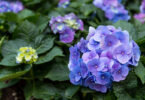
- Hydrangeas: Perfect for part-shade clay corners, just keep them mulched and watered.
Pro tip: Even clay-friendly plants appreciate a bit of TLC. Work in some compost at planting time, mulch well and don’t overwater. Once established, they’ll reward you by thriving where fussier plants fail.
What Not to Do
Clay soil has its quirks and missteps can make it worse:
Avoid:
- Adding sand by itself – This just creates hardpan or worse… homemade concrete. If you mix sand, it must be with plenty of organic matter.
- Tilling wet clay – You’ll smear and compact the soil, destroying the structure completely.
- Flooding your garden beds – It might seem like the answer to crusty clay but overwatering leads to suffocation and root rot.
Clay Can Be Gold
Yes, clay can be frustrating but it can also be fantastically fertile once improved. You don’t need to dig trenches, rent a jackhammer or swear at your wheelbarrow. Just feed it, mulch it and let time (and the worms) do the grunt work.