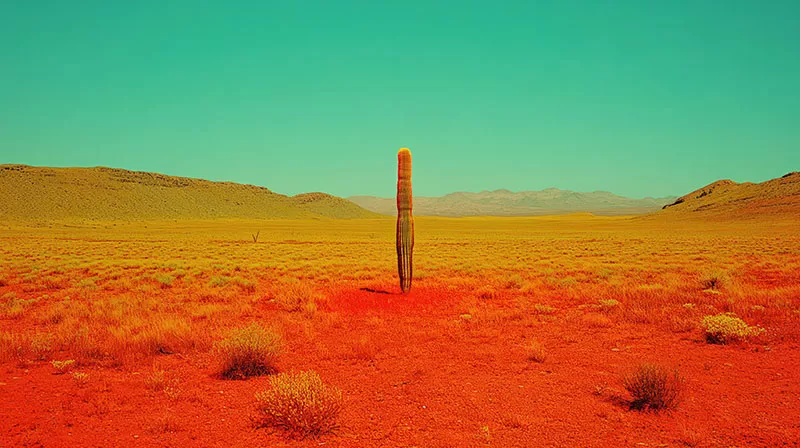
If you’ve ever bought a plant because the label cheerfully promised “FULL SUN”, only to watch it melt into botanical soup by Thursday… welcome. You’ve been initiated into Australian gardening, where “full sun” doesn’t mean “bright and happy,” it means “good luck, champion.”
In many parts of the world, “full sun” is a pleasant concept. A warm patch. A bit of brightness. A gentle tan.
In Australia, “full sun” is more like a celestial interrogation lamp that asks your plants: “So… what exactly are you made of?”
And then the wind shows up to finish the job.
The Great Lie: “Full Sun” is a Universal Setting
Plant labels are written as if the entire planet experiences weather in the same calm, sensible way.
They are written for places where:
- Summer is “warm”
- Afternoons are “lovely”
- The sun is “friendly”
- Rain arrives like a polite appointment
Meanwhile, in Australia, you can get a week of 37°C days, followed by a thunderstorm that knocks over your best pot, followed by a cool change that makes your tomatoes sulk. All the while the label is still like: “Plant in full sun. Water occasionally.”
Occasionally? Mate.
What “Full Sun” Actually Means Here
In Australian terms, “full sun” can mean:
- Your paving becomes a frying pan
- Your hose water comes out hot enough to blanch broccoli
- Your pots become slow cookers
- Your plant experiences a spiritual journey and leaves this earth
That “full sun” spot by the fence? The one that looks perfect at 9am? At 2:30pm it’s basically the set of Mad Max: The Plant Edition.
So, what’s going wrong? It’s not just heat. It’s the combo platter:
- UV intensity that doesn’t muck around
- Hot, drying winds that strip moisture fast
- Radiant heat bouncing off walls, concrete, pavers
- Warm nights that don’t let plants recover
- The classic: a pot that turns into an oven
You’re not imagining it. Your garden really does get harsher as the day goes on.
The “Morning Sun” Loophole (aka: The Gardener’s Best Friend)
Here’s the most useful Aussie gardening translation you’ll ever learn:
Morning sun is usually fine.
Afternoon sun is where dreams go to die.
If you can give a plant sun until 11am-ish and then shade, you’ll dodge a lot of heartbreak. That doesn’t mean your garden is “shady” or “wrong.” It means you’re using the Australian cheat code: bright light + protection from the brutal stuff.
This is why so many introduced and some Aussie native “full sun” plants do better in:
- Dappled light
- Morning sun / arvo shade
- Bright shade
- Filtered sun through a tree canopy
Some plants can do full Australian sun (we have a list of these heroes right here) but lots of them interpret “full sun” as “full sun… in a nicer country.”
The Wall Effect: Your Fence is a Heat Amplifier
A west-facing wall or Colorbond fence in summer is basically plant homicide. It soaks up sun all day then radiates it back at your plants like a hairdryer with attitude.
That’s why plants near fences often look fine… until they don’t. Leaves scorch. Soil dries out in hours. Flowers crisp. Everything becomes crunchy.
If you’ve got a “mystery death strip” near a fence, it’s usually not a mystery. It’s science.
Fixes that actually help:
- Plant something tough there (or accept it as a “hard zone”)
- Use mulch like your life depends on it
- Add a trellis or screening plant to create a buffer
- Switch to bigger pots (more soil = less temperature swing)
- Group pots together to create shared shade
Pots: The Overlooked Villain
I love pots. Pots are flexible, stylish and let you move plants around when you’ve made questionable decisions (which, if you garden, you have).
But pots also:
- Heat up faster than garden beds
- Dry out faster
- Can cook roots
- Punish you for going a day too long without watering
A plant that thrives in-ground can struggle in a pot in Australian summer. It’s not a character flaw. It’s just a smaller volume of soil getting absolutely hammered.
If you want pots to survive summer:
- Choose larger pots (small pots are basically plant dehydration simulators)
- Avoid black pots in harsh sun (or hide them inside a decorative pot)
- Use quality potting mix (cheap mix dries out weirdly and becomes water-repellent)
- Mulch the top of the pot (yes, even pots!)
- Water deeply, less often — and check moisture properly (finger test beats vibes)
- Follow these hot tips!
Watering in Australia: A Daily (and Emotional) Rollercoaster
You can water in the morning, feel smug and by 4pm your plant is wilted like it’s auditioning for a soap opera.
Before you panic-water again (we’ve all done it), remember:
- Midday wilting can be self-protection (some plants droop to reduce sun exposure)
- If it perks up in the evening, it may not be thirsty, it may just be hot
- If it stays sad overnight, then yes, you’ve got a problem
Also: watering shallowly every day can create weak, shallow roots and more stress. It’s like only feeding your plants snacks. They want a proper meal.
The goal: deep watering that encourages roots to go down, plus mulch to keep the water there.
Mulch: Your Garden’s Sunscreen
Some consider mulch unsexy (not me… OK, the fake red stuff, yes!) until you realise it solves half your problems.
Mulch:
- Keeps soil cooler
- Reduces evaporation
- Protects roots
- Makes your garden look like a person with their life together
If your garden is in “surface of the sun” conditions, mulch is not optional. It’s survival gear!
Go thicker than you think (without piling it against plant stems) and suddenly everything looks less stressed.
Shade Cloth: The Scandalously Effective (and Divisive) Hack
Shade cloth feels like admitting defeat. Like you’ve failed at gardening. Like you’re cheating.
You’re not cheating. You’re doing what commercial growers do: managing harsh conditions.
A bit of 30–50% shade cloth during peak summer can turn “crispy mess” into “still alive, thanks.” Especially for new plants, veg and anything in pots.
And no, it doesn’t have to look like a construction site. You can:
- Attach it to a simple frame
- Drape it over a pergola
- Use it temporarily during heatwaves
Think of it as an umbrella for your garden. No one feels shame using an umbrella.
The Emotional Truth: Australian Gardening is an Extreme Sport
The reason Australian gardeners are so resourceful is because we have to be. We garden in a country where nature is basically a tough-love coach.
We learn fast:
- That “full sun” is relative
- That afternoon sun is a different species of sun
- That pots need extra help
- That plants don’t read labels either
So if you’ve had plants fry, crisp, scorch or simply give up, you’re not bad at gardening. You’re gardening in Australia. It’s like trying to do skincare while living inside an oven.
The “Surface of the Sun” Survival Checklist
If your garden is getting roasted, start here:
- Move vulnerable pots to morning sun / afternoon shade
- Mulch everything (beds and pots)
- Water deeply and check soil moisture, not just leaves
- Use bigger pots where possible
- Create shade (trees, pergolas, shade cloth, screens)
- Respect hot walls and fences, they’re heat machines
- Plant at the right time (Autumn and Spring are your friend; mid-Summer planting is brave/stubborn/chaotic)
And finally: don’t take it personally. A plant dying in a west-facing courtyard in January isn’t a failure. It’s a weather report.